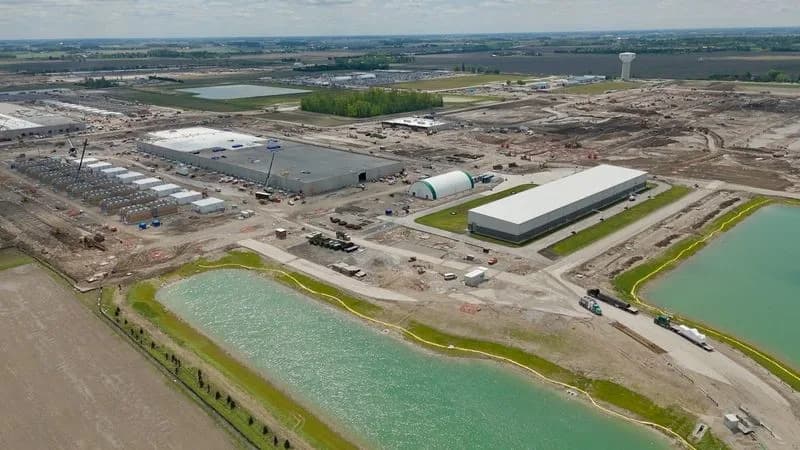
Sunbury, Ohio, has qualified a charter amendment for the Nov. 3 ballot that would bar hyperscale data centers by imposing a 25-megawatt peak-load cap. Organizers submitted 450 signatures and had 351 verified, surpassing the 174 required to qualify. The measure follows debate over a proposed $2 billion Amazon Data Services campus and echoes similar local efforts in the region. If approved, the cap would be written into the city charter, giving voters a direct say over future data-center development.
Sunbury Vote Could Block Hyperscale Data Centers — 25MW Cap Targets $2B Amazon Campus

Photo Credit: iStock
Sunbury, Ohio, will decide on Nov. 3 whether to enshrine a ban on large-scale data centers in its municipal charter. Residents gathered hundreds of signatures to force the question onto the ballot; organizers submitted 450 signatures, and city officials verified 351 as Sunbury residents, well above the 174 required.
At its July 15 meeting, Sunbury City Council unanimously certified the petition, placing the proposed charter amendment before voters this fall. If approved, the amendment would impose a 25-megawatt cap on peak data-center load inside city limits — a threshold that would effectively bar hyperscale facilities like those technology companies are building across central Ohio.
The ballot measure follows months of debate over plans for a roughly $2 billion Amazon Data Services campus in Sunbury’s new technology park. The city has a temporary moratorium on data-center development that runs through Jan. 31, but some residents worry that projects could be approved once the pause ends.
Sunbury’s petition push is part of a broader regional trend. A parallel campaign is underway in Pataskala, and both efforts have coordinated with Conserve Ohio, a grassroots group that previously sought a statewide constitutional amendment to limit most data centers before shifting strategy toward local ballot and petition efforts.
Ohio already hosts a sizable data-center footprint. According to Data Center Map, the state has 224 facilities overall, including 139 in central Ohio. As that buildout accelerates, critics raise concerns about rising electricity demand, increased water consumption, land conversion from farmland to industrial use, noise, and tax incentives offered to large technology firms. Opponents also warn of added strain on public services and changes to the character of suburban and rural communities.
Supporters point out that data centers are critical infrastructure for modern artificial intelligence and cloud services. They note that AI tools can help utilities forecast demand, integrate renewable power, and operate grids more efficiently. Still, rapid expansion of AI-related infrastructure can increase energy and water use, stress local grids, introduce security risks, and potentially raise household utility bills.
Placing a limit in the city charter would lock restrictions into Sunbury’s governing rules, rather than leaving the decision to future city councils. That approach gives voters a direct voice in determining the scale and type of industrial and technology development allowed within the community.
Sunbury’s November vote will be watched by other fast-growing Ohio communities facing similar proposals. Whether residents view the measure as a safeguard for local resources or a setback to economic development, the result will shape how one community balances growth, environmental protection, and the evolving footprint of the AI economy.
Note: Signature and certification numbers are reported by the Columbus Dispatch; statewide facility counts come from Data Center Map.
Help us improve.