Summary: Andy Burnham criticised the 1980s for neoliberal reforms that he says concentrated wealth and weakened public control over essentials like housing. Many former council tenants, however, credit Margaret Thatcher’s Right To Buy scheme with enabling homeownership and social mobility — examples include Scott Potter and Hilary Patterson. Supporters cite more than two million sales and large discounts; critics point to the long-term depletion of social housing and recent government steps to restrict the policy.
‘Right To Buy’ Still Divides Opinion — Homeowners Say Thatcher’s Policy Changed Their Lives
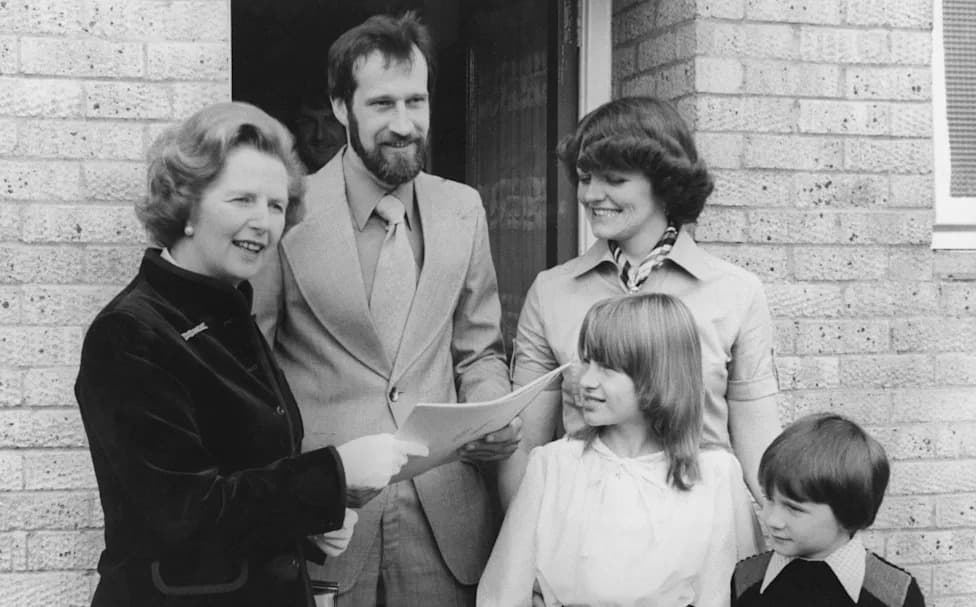
Margaret Thatcher with one of the first families to take up the opportunity of her flagship scheme - Keystone/Getty
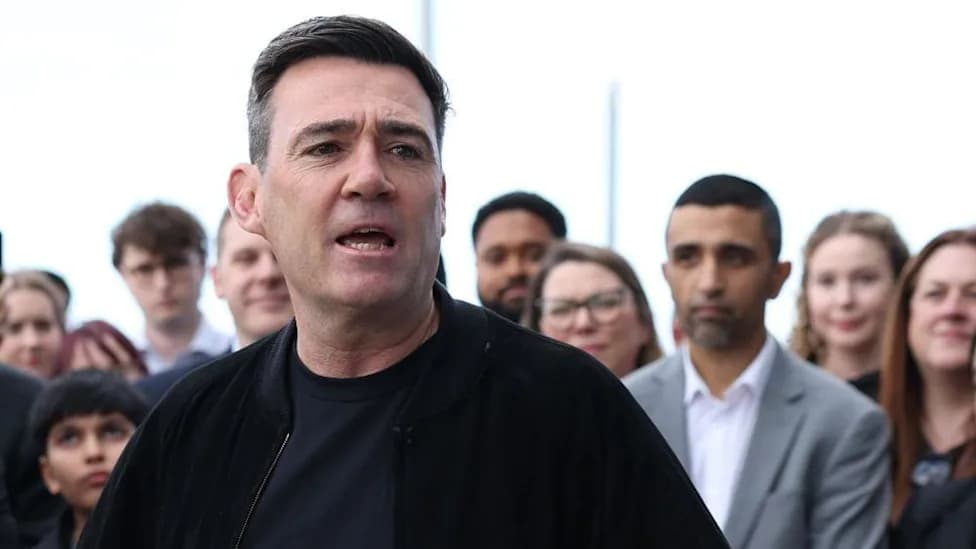
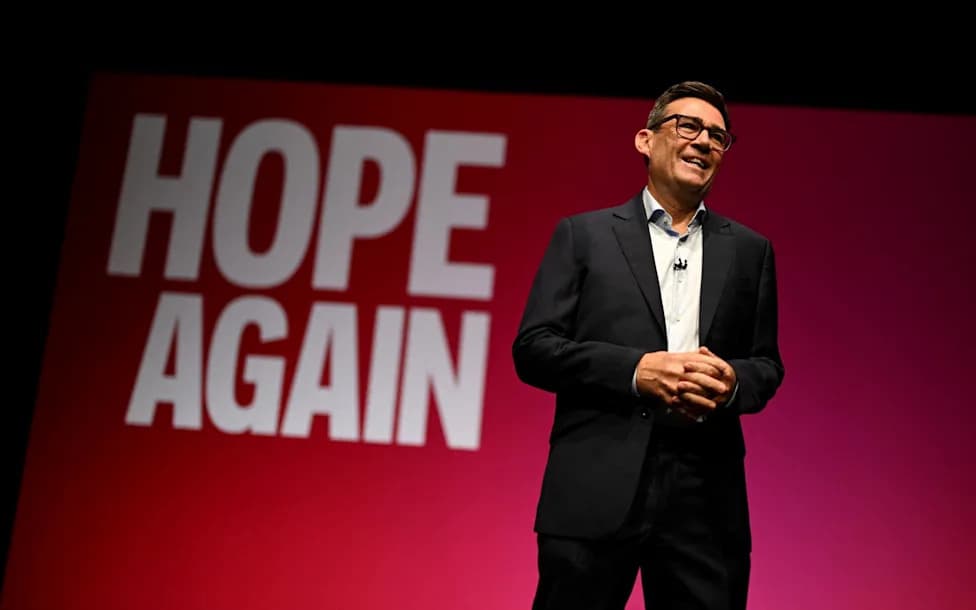
In his first speech as Labour leader, Andy Burnham criticised the Britain of the 1980s, saying the decade took “a series of wrong turns” and transferred control of essentials such as housing, water, energy and transport away from the public realm. He accused politicians of failing to challenge neoliberal reforms that, he argued, concentrated wealth and power in fewer hands.
But for many former council tenants, the story is different. Supporters of Margaret Thatcher’s flagship Right To Buy policy say it delivered life-changing opportunities by allowing social housing tenants to purchase their homes at steep discounts.

Scott Potter bought his council flat for £68,000 and says the 1980s gave people like him a chance to own a home
Personal Stories
Scott Potter, 55, who works in shipping, bought a council flat in Upminster, East London, under Right To Buy in the early 2000s for £68,000. He says the purchase “turned my life around”: securing a mortgage led to stable employment and homeownership that he says he has enjoyed for 25 years. Potter disputes Burnham’s account of the 1980s, arguing the policy helped him get on the housing ladder as a single person.
Hilary Patterson, 70, bought a council flat in Bristol with her husband in 1988 for £11,000. She says owning the property provided security and made other life choices possible: “If we hadn’t had a cheaper mortgage, we couldn’t have done any of the things that we have. I couldn’t have gone to university and become a nurse.” Patterson estimates she and her late husband invested in improvements — roof work, insulation and a small extension — and believes the house would now be worth more than £250,000.
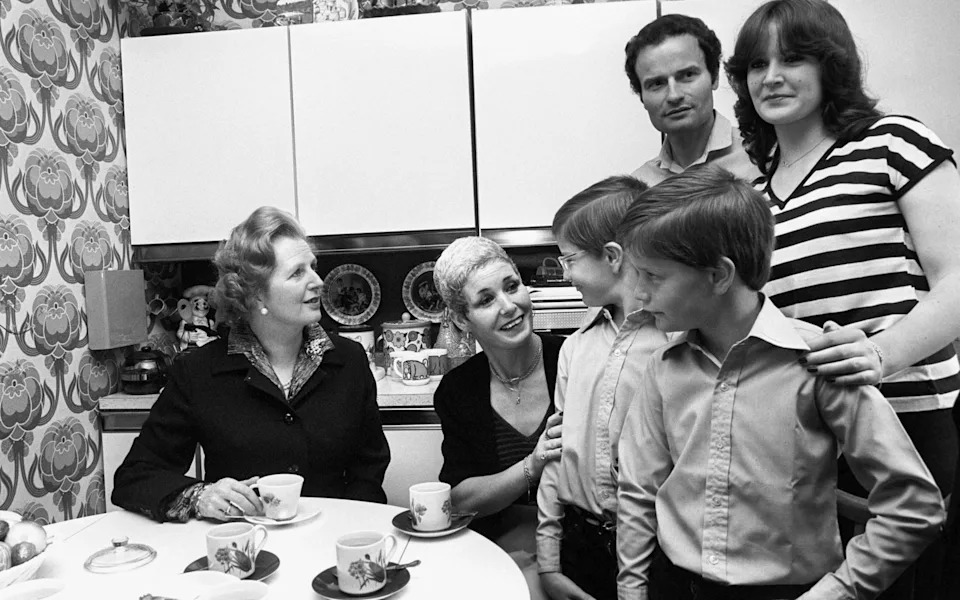
Right to Buy allows council tenants to buy their home at a steep discount - PA
Policy Impact And Controversy
Since its introduction in 1980, Right To Buy has enabled more than two million council homes to be sold, with an estimated combined value of about £371 billion and an average discount of roughly 44%. Supporters say the scheme promoted social mobility by turning renters into homeowners who could benefit from decades of house-price growth and invest in their properties.
“We are a nation that likes to buy our homes,” says Patterson. For many, Right To Buy provided the security and financial uplift that owning a home can bring.
Critics, however, argue the policy significantly depleted social housing stock and left local authorities with fewer homes to re-let to those in need. Annual sales declined dramatically after the scheme’s early years; Labour governments in 1999 and 2003 reduced discounts, and sales numbers fell — by 2009 the annual total was a fraction of its peak.
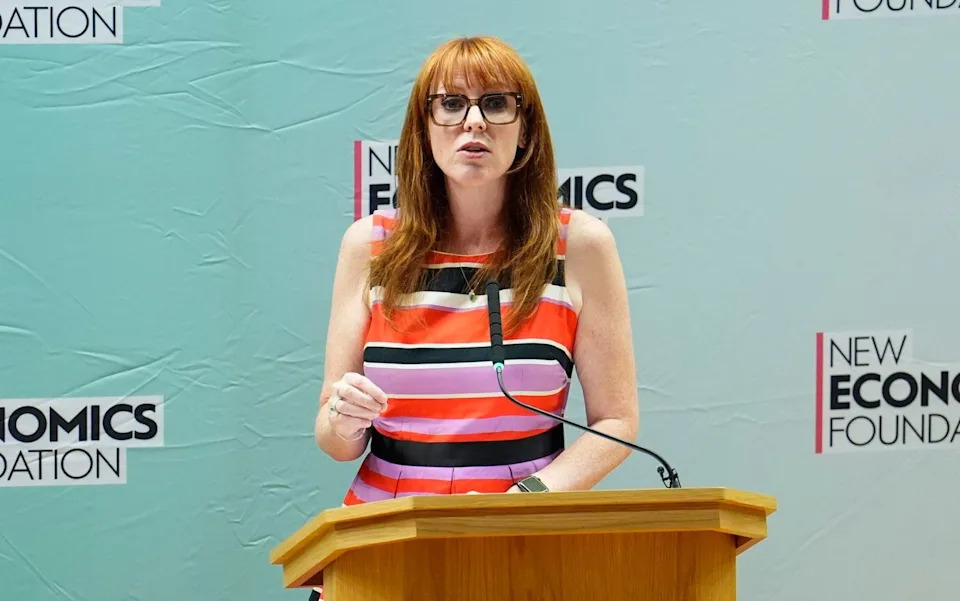
Angela Rayner, Labour's former housing secretary, benefited from the scheme, buying her former council house in 2007 - Jordan Pettitt/PA Wire
Recent Changes And Political Context
The Labour government led by Sir Keir Starmer announced measures to tighten Right To Buy: reducing maximum discounts (reported ranges cited in public debate have been lowered substantially from previous high caps) and extending the qualifying period for tenants from three to ten years in order to limit the scheme’s impact on social housing supply.
Notably, some high-profile Labour figures have personal or family histories with Right To Buy. Bridget Phillipson’s family bought a council house in 1990 and later sold it for a large uplift; Angela Rayner also bought and later sold a former council home at a profit. These examples are used by both supporters and critics when debating the policy’s long-term consequences.
Where The Debate Stands
The Right To Buy debate remains deeply political and personal. Supporters point to hundreds of first-hand accounts of homes that enabled education, security and generational wealth. Opponents highlight the long-term consequences for social housing availability and argue for reforms that balance homeownership opportunities with protecting affordable rented supply.
As Labour’s leadership debates how to frame Britain’s economic history and the policy priorities ahead, the mix of individual success stories and structural concerns ensures Right To Buy will remain a flashpoint in housing policy discussions.
Help us improve.