Greenpeace Africa is urging Kenyan authorities to pause permitting for a Dangote-backed $17 billion refinery proposed at Lamu port and to require a full independent environmental and social impact assessment. The plant would process about 700,000 barrels per day and take roughly 30 months to build. Critics warn the refinery could damage mangroves, coral reefs and seagrass beds, pose health and spill risks, and lock Kenya into a carbon‑intensive pathway without clear financing or crude-supply plans.
Greenpeace Demands Independent Review Of Dangote-Backed $17bn Refinery Planned At Kenya's Lamu Port
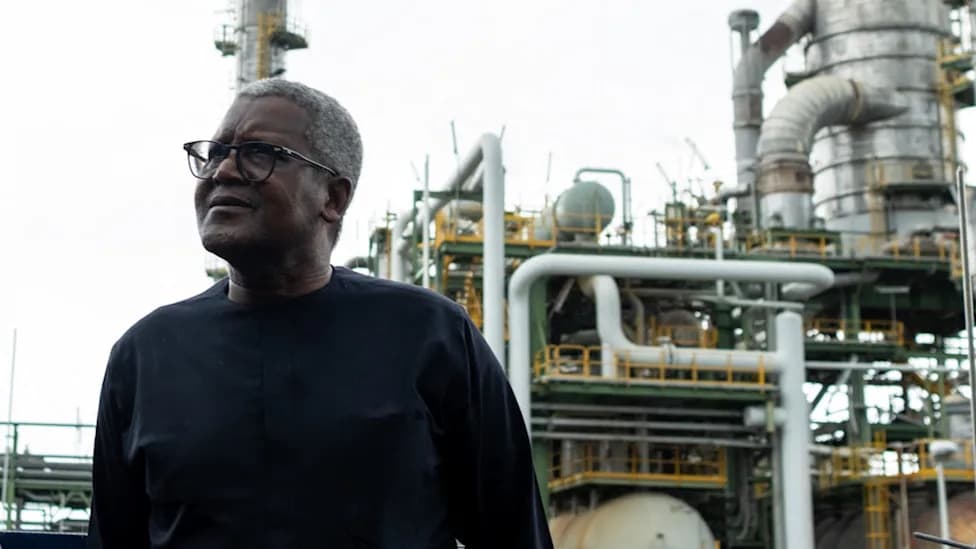
Photo Credit: Getty Images
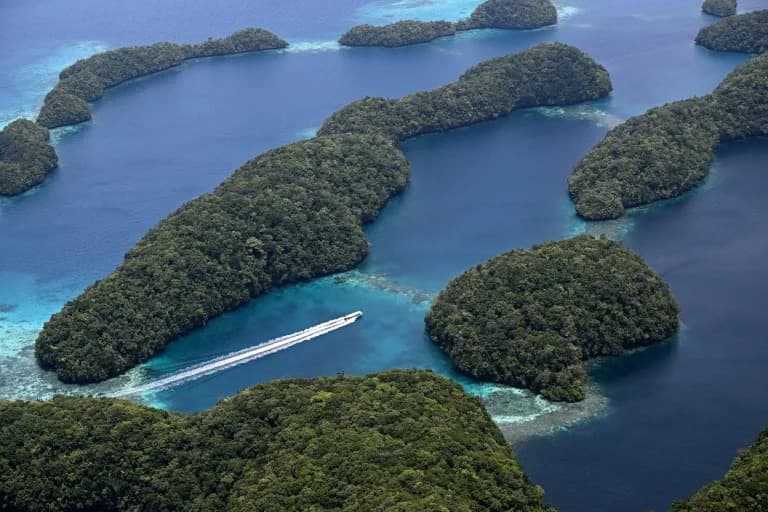
Plans for a Dangote-backed $17 billion oil refinery at Lamu port, Kenya, have sparked intense opposition from environmental groups who say the project threatens one of East Africa's most fragile coastal ecosystems.
Greenpeace Calls For A Pause
Greenpeace Africa is urging Kenyan authorities to halt permitting and commission a full independent environmental and social impact assessment before any approvals proceed. The organisation warns the site — home to mangroves, coral reefs and seagrass beds — supports fisheries, tourism and coastal protection that local communities rely on for food and income.
Project Details And Timeline
Backed by billionaire Aliko Dangote, the proposed refinery is reported to cost about $17 billion and would be designed to process roughly 700,000 barrels per day, according to AFP. Greenpeace notes construction could take approximately 30 months.
"This project threatens to damage one of East Africa's most fragile coastal ecosystems while locking Kenya into a risky fossil fuel future,"
— Sherelee Odayar, Greenpeace Africa Oil and Gas Campaigner
Jobs Promise Versus Long-Term Risks
President William Ruto has promoted the refinery as a major jobs creator — a compelling argument in a country where the World Bank estimates about 800,000 people enter the labour market each year. But Greenpeace and other climate advocates say the economic benefits may be overstated and point to unresolved questions about how the project will be financed and where its crude supply would come from.
Environmental, Health And Economic Concerns
Greenpeace warns that siting a large refinery at Lamu could lead to habitat destruction, marine degradation, increased oil-spill risk and harmful air pollution. Fossil-fuel infrastructure has been linked to long-term local impacts, including respiratory and cardiovascular illnesses, contaminated water, and costs associated with pollution remediation.
Climate advocates also argue that large fossil-fuel projects can delay investment in cleaner, cheaper renewable energy, and risk becoming stranded assets as global energy systems decarbonise.
What Greenpeace Wants
Before permits advance, Greenpeace Africa is calling for:
- A full, independent environmental and social impact assessment;
- Meaningful public participation by affected communities;
- Transparent disclosure of project financing, ownership structure and planned crude supply chains;
- Careful evaluation of long-term health, ecological and economic risks, including potential liability and cleanup costs.
As the proposal moves forward, two practical questions deserve particular attention: Who will finance the refinery, and where will its crude oil come from? The answers will shape the project's environmental footprint and Kenya's economic exposure for decades.
Greenpeace: "Lamu's mangroves, coral reefs and seagrass beds are not expendable. They support fisheries, livelihoods and coastal protection."
Odayar added: "No approvals should move forward without a full, independent environmental and social impact assessment, genuine public participation and transparent scrutiny of the long-term economic, health and ecological risks."
Help us improve.