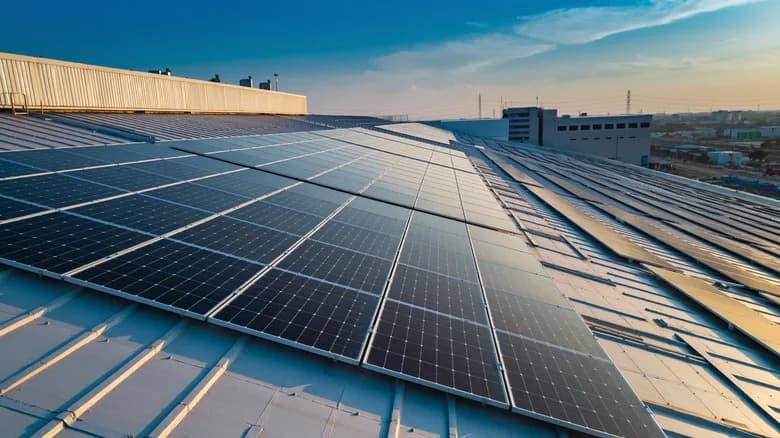
Dr. Simon Clark’s YouTube explainer shows that the land required for wind and solar in the U.K. is small compared with familiar uses. Solar covers about 81 square miles today versus 485 square miles for golf courses, and renewables are projected to total roughly 598 square miles by 2050 — under 1% of U.K. land. Clark highlights that renewables often share space with farming or are built on developed land, and even a worst-case scenario would convert only about 2% of farmland.
UK Renewable Energy Footprint Could Be No Bigger Than Golf Courses By 2035 — Still Under 1% Of Land
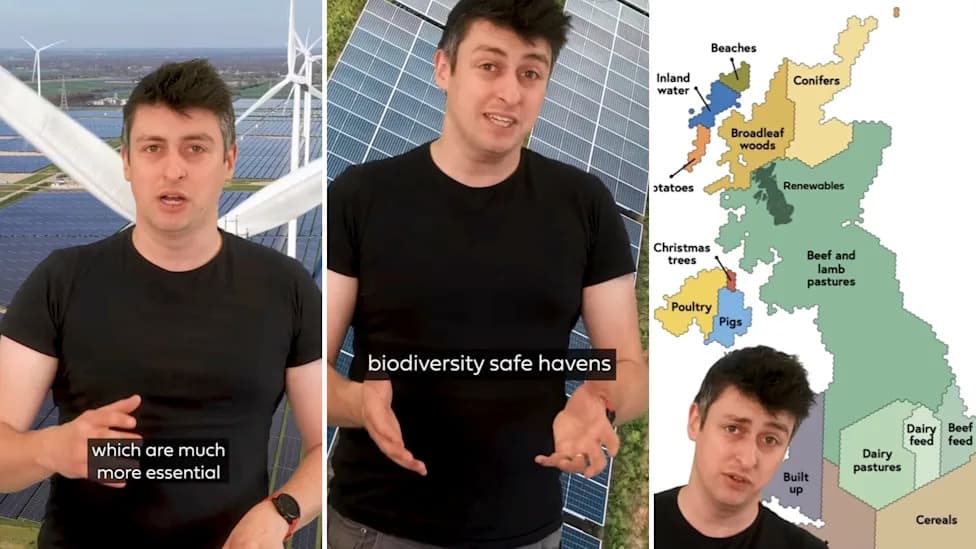
Photo Credit: Simon Clark
One common concern about expanding wind and solar in the U.K. is that they will swallow up farmland. In a clear-eyed YouTube explainer, climate scientist and creator Dr. Simon Clark shows the real numbers paint a very different picture.
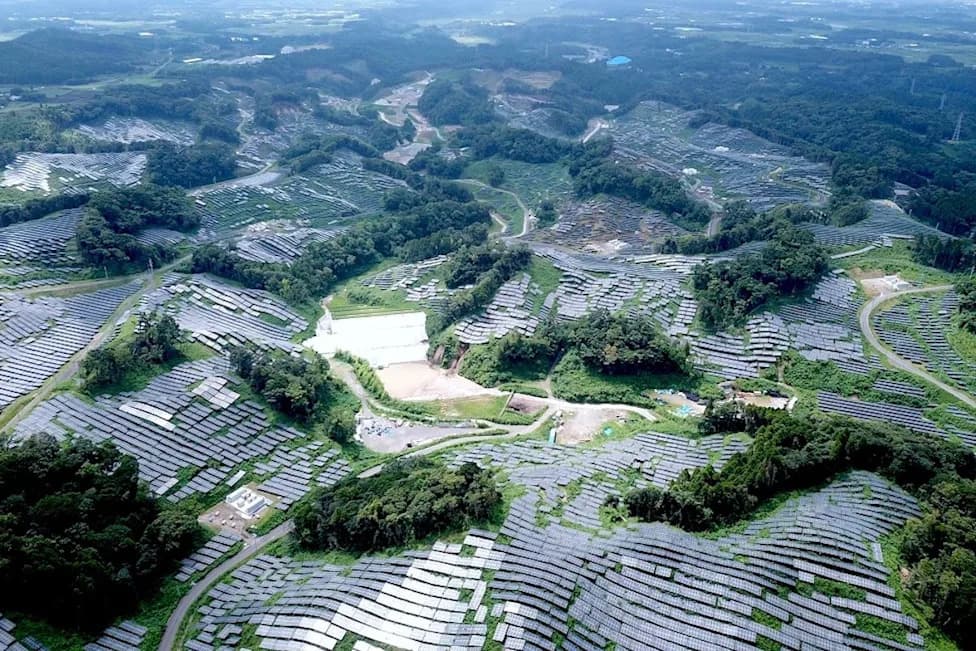
Using analysis from Carbon Brief, Clark compares the current footprint of renewables with familiar land uses to make the scale easier to grasp. He notes that solar installations cover roughly 81 square miles (210 km²) across the U.K., while golf courses occupy about 485 square miles (1,256 km²). Agriculture already accounts for roughly 70% of the country’s land area, much of it used for livestock.
How Much Land Will Renewables Need?
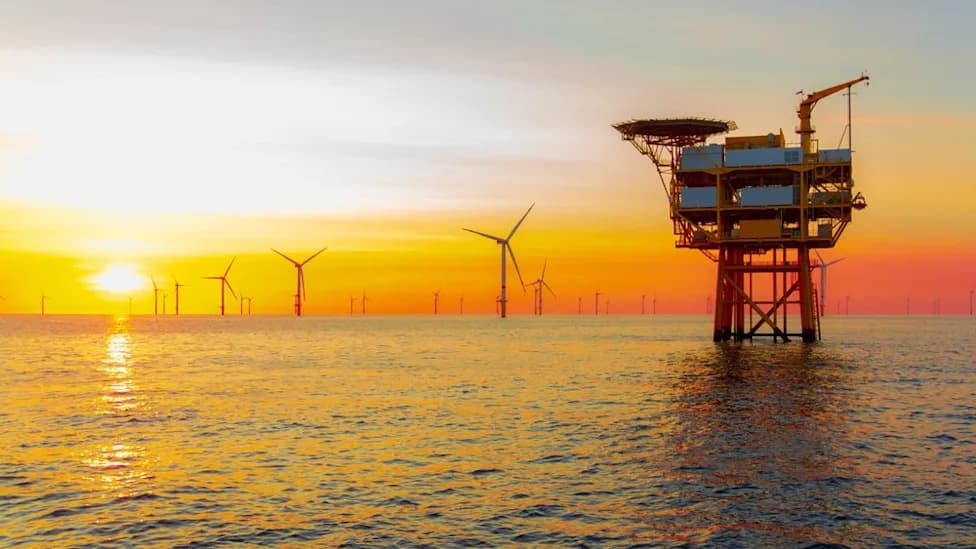
Clark projects that even with substantial growth — including more onshore wind — the area taken by renewables by 2035 would be comparable to the space used by golf courses today. His longer-term estimate for 2050 is about 598 square miles (1,550 km²), which remains well under 1% of the U.K.’s total land area.
Coexistence And Smart Siting
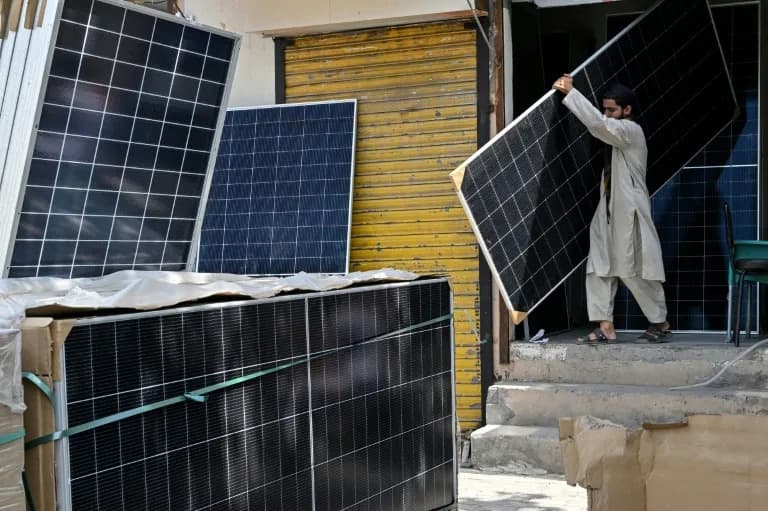
Clark stresses that renewables do not always displace other land uses. At Whitelee Wind Farm, for example, turbines coexist with a peat bog, and many wind sites operate alongside active farmland. Solar is frequently sited on rooftops, barns, sheds and parking areas. When panels occupy open ground, the vegetation beneath and between arrays can support greater biodiversity than intensively managed crops or pasture, benefiting birds, insects and wider ecosystems.
Even under a conservative — and unlikely — scenario where all new renewable build-out replaced agricultural land, Clark estimates only about 2% of farmland would be lost, much of it likely lower-productivity livestock pasture rather than prime cropland.
Benefits For Farmers And Communities
Sensible siting that allows multiple uses — wind turbines on grazing land, solar on buildings and car parks — can help farmers diversify income and stabilize household finances in a sector facing volatile prices and rising costs. As one viewer who grew up on a family farm wrote in the video comments, adding panels on a shed roof and a turbine on a windy hill helped make farming more financially sustainable.
Mixed-use renewables can also increase local power generation, lower energy bills, reduce reliance on polluting fuels and support public health.
“The truth is, they’re not a big threat to our farmland because they don’t take up that much land.” — Dr. Simon Clark
The video has attracted hundreds of thousands of views and sparked broad public discussion about realistic trade-offs between clean energy and land use.
Help us improve.