Notting Hill Carnival will celebrate its 60th anniversary from 29–31 August 2026 in west London, drawing millions to what is considered Europe’s largest street festival. Rooted in the 1960s effort to unite communities after the Notting Hill race riots and the murder of Kelso Cochrane, the carnival honours Caribbean culture and the Windrush generation. Mayor Sadiq Khan has pledged £4.66m to tackle overcrowding and improve safety, while organisers and performers argue the event must remain in west London to preserve its historical ties.
Notting Hill Carnival at 60: Roots, Resilience and Why It Must Stay in West London
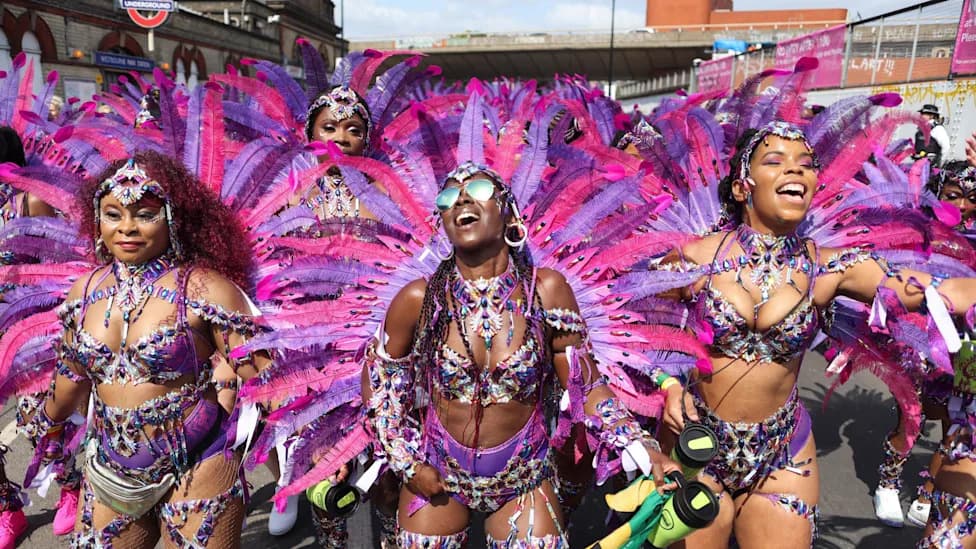
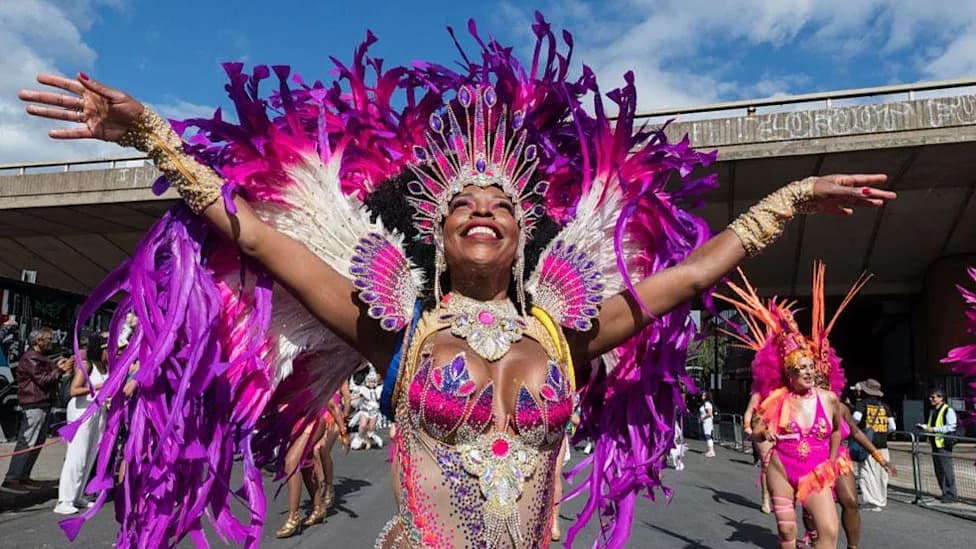
Notting Hill Carnival takes place during the August Bank Holiday [Reuters]
As Notting Hill Carnival approaches its 60th anniversary in 2026, organisers, performers and community leaders say the event’s significance goes well beyond music, costumes and spectacle. For many, the carnival is a living history lesson — a celebration of Caribbean culture, a remembrance of struggles endured by earlier generations, and a statement of community resilience.
When And Where
The 2026 Notting Hill Carnival is scheduled to take place in west London from 29–31 August. Organisers expect millions to attend what is widely regarded as Europe’s largest street festival.
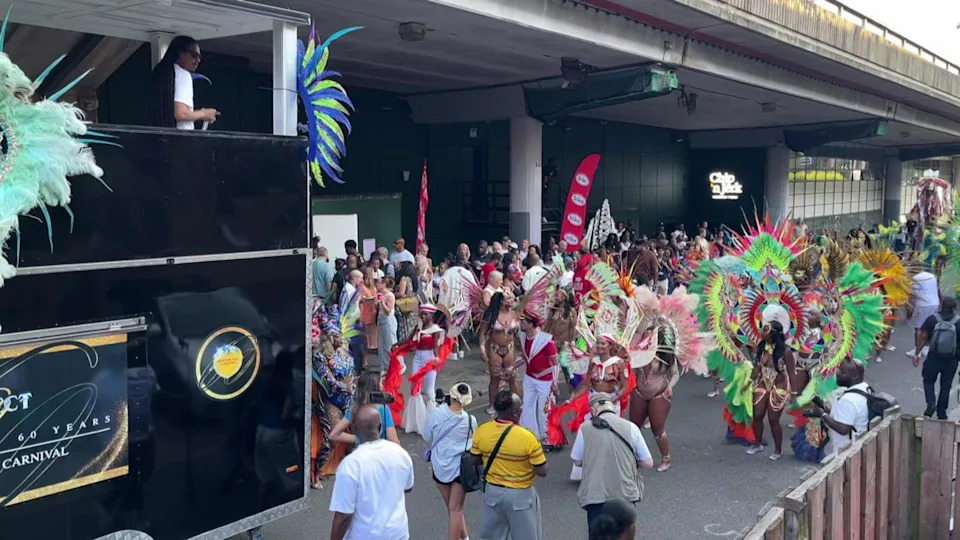
A launch event for Notting Hill Carnival was held on Thursday evening [BBC]
Founders And Community Custodians
One of the carnival’s early figures was Vernon Williams, who emigrated from Trinidad and Tobago in the 1960s. His widow, Allyson Williams, has been centrally involved for the past 45 years. She describes the carnival as a “teaching tool” that helps younger generations understand Notting Hill’s local history and the contributions of the Windrush generation.
“We have to continue with the education of the children in terms of acknowledging their ancestors as well,” Allyson Williams said at the carnival launch. “As Maya Angelou said, if you don't know where you've come from, you will never understand where you're going.”
Origins: Joy Born From Pain
First held in 1966, the carnival celebrates Caribbean culture and commemorates emancipation and the freedoms achieved after slavery. Its origins are closely linked to community tensions in Notting Hill, including the 1958–59 race riots and the 1959 murder of Kelso Cochrane, an Antiguan carpenter who was fatally stabbed; no one was ever charged in his killing.
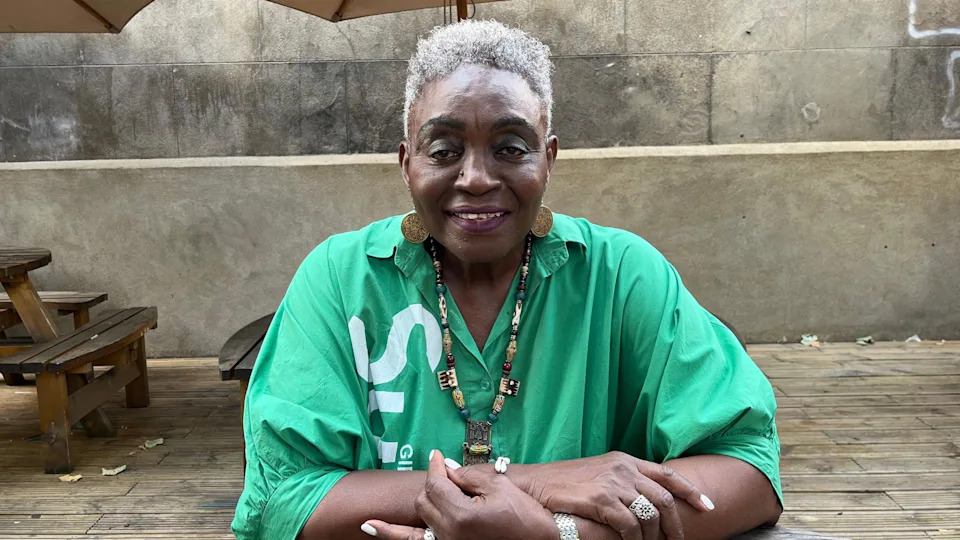
Allyson Williams, the board director for Notting Hill Carnival, says the event demonstrates the resilience of the Caribbean people [BBC]
Rhaune Laslett is credited with organising the first street carnival in 1966 as a grassroots effort to bring disadvantaged groups together and promote harmony. She deliberately chose the August Bank Holiday so local children would have a positive, shared experience to remember before returning to school.
Funding, Safety And The Debate Over Location
Mayor of London Sir Sadiq Khan has pledged £4.66m to support this year’s carnival, money officials say addresses overcrowding risks identified by an independent review and will help with safety and crowd-management measures.
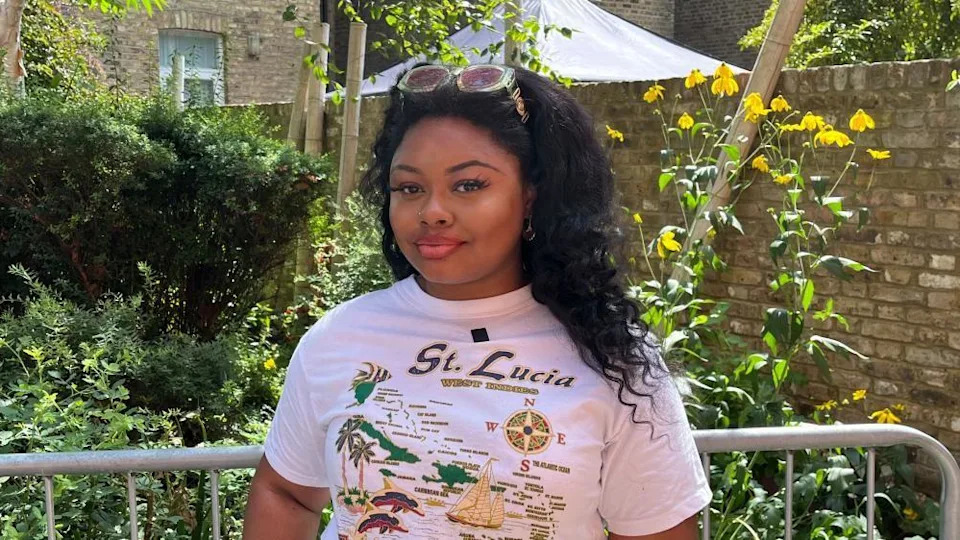
Jada Pascall will be performing at the carnival [BBC]
The scale of the event has prompted wider discussions about management and location. Last year, Conservative group leader Susan Hall proposed the Greater London Authority should organise the festival and even suggested relocating it for safety reasons; that proposal did not proceed. Many community figures argue the carnival must remain in west London because its ties to the Windrush generation and local history are integral to its meaning.
Voices From The Party
Jada Pascall, a DJ who performs as Jada Pink, says the carnival has linked her to her Caribbean identity since childhood: “I have been going to Carnival since I was in the stomach. Being a third-generation Caribbean descendant... Carnival links me to my identity.” She and other performers emphasise that moving the festival would dilute those historical and cultural connections.
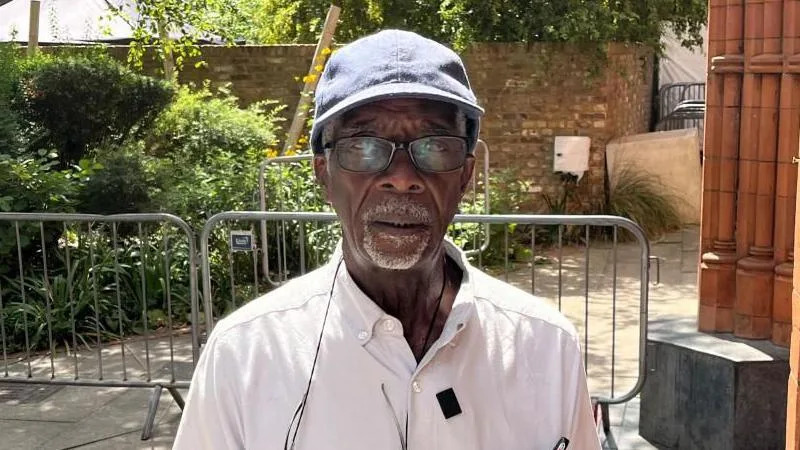
Gladwin Wright says the event's appeal lies in its ability to bring people together [BBC]
Gladwin Wright (Gladdy Wax), one of the UK’s longest-running sound-system operators who has been involved for almost 40 years, said the carnival’s lasting power is its ability to bring people together. “Music itself brings people together, but Carnival certainly brings them together for more reasons than one,” he said. “It brings them together in a loving, harmonious way.”
Why Location Matters
For many, the carnival’s location in west London is not merely practical: it is symbolic. Keeping the event in Notting Hill preserves its direct link to the neighbourhood’s history, including struggles faced by immigrant communities and the stories of those who fought for recognition and rights.
Looking Ahead
Organisers and community leaders welcome investment that improves safety and logistics, but they stress that funding and management decisions must respect the carnival’s cultural roots. As the event prepares to mark six decades, participants say its power lies in mixing joyful celebration with memory, education and the reaffirmation of a shared identity.
For visitors: expect large crowds, enhanced safety operations and a vibrant programme of music, dance, costume and food reflecting the Caribbean diaspora.
Help us improve.