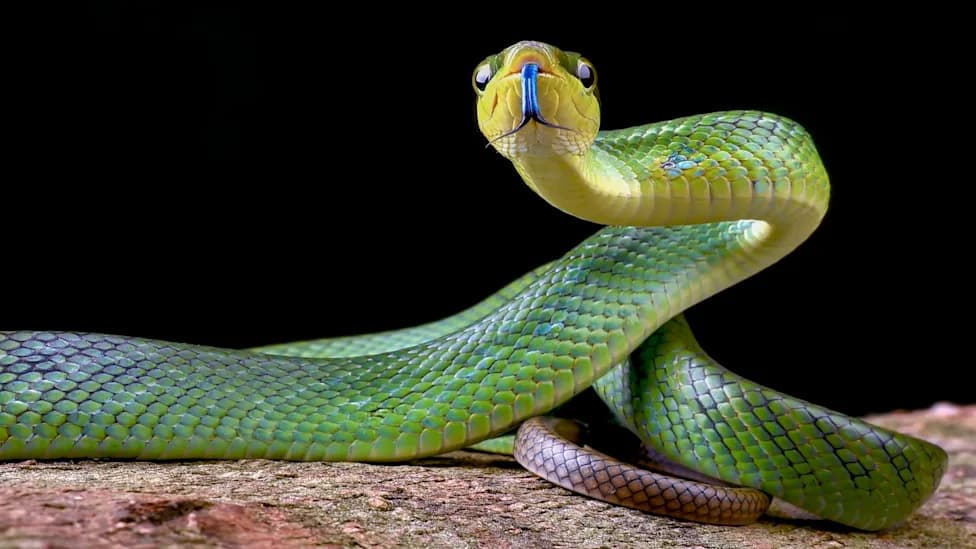
Researchers using DNA and century-old museum specimens have shown that the Himalayan pit viper group actually comprises five distinct lineages, including three species newly recognized from Pakistan and Nepal. Published in ZooKeys, the work relied on genetics, skeletal and morphological comparisons, and ecological data. The findings underscore the scientific and conservation value of natural history collections and the need to combine modern fieldwork with archival material.
DNA From Century-Old Specimens Reveals Three New Himalayan Pit Viper Species — Five Lineages Total
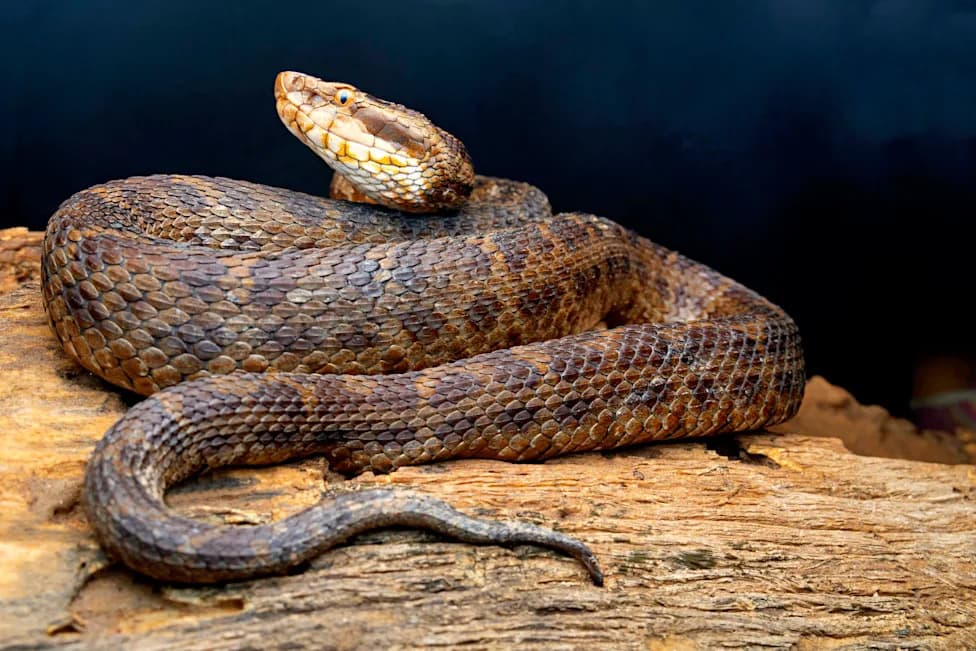
Photo Credit: iStock
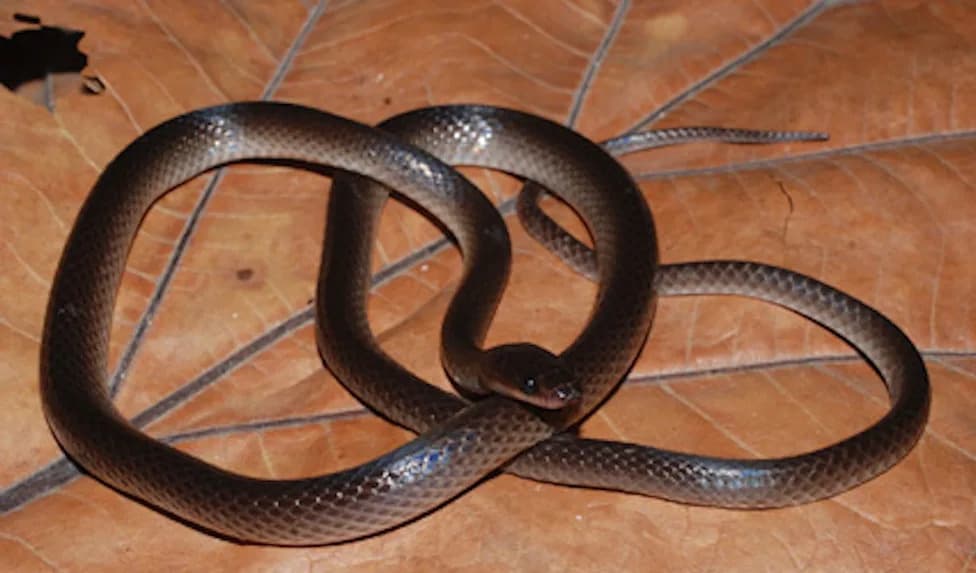
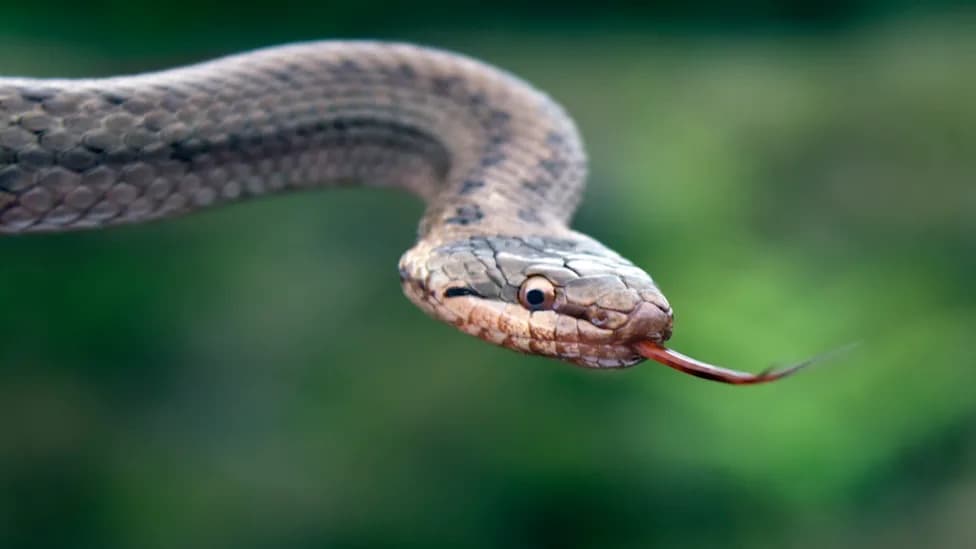
Genetic analysis combined with century-old museum specimens has revealed that the snake long treated as a single species since 1864 is actually a complex of five distinct lineages across the high mountains of Asia. Published in the journal ZooKeys, the study reshapes our understanding of the Himalayan pit viper group and identifies three species previously unknown to science.
What the Researchers Did
An international team used an integrative approach—DNA sequencing, skeletal comparisons, external morphology and ecological observations—to re-evaluate the group. Their results support five species-level lineages: the narrowly defined Himalayan pit viper, Gloydius chambensis (described in 2022), and three newly recognized species from Pakistan and Nepal. Crucially, DNA recovered from specimens collected in the late 1800s and early 1900s confirmed many identifications, demonstrating the continuing scientific value of natural history collections.
Why It Matters
This revision matters for both science and conservation. Reptiles like pit vipers play vital ecological roles as predators and environmental indicators. Because pit vipers are venomous, clarifying species boundaries also has implications for medical treatment, species-specific risk assessments and targeted conservation planning.
"These mountain systems still harbor overlooked vertebrate diversity and hold important clues to the biogeography of Asia," said Daniel Jablonski of Comenius University Bratislava.
Researchers note that rugged terrain and periods of socio-political instability have left biodiversity knowledge in some Himalayan regions incomplete. Rafaqat Masroor of the Pakistan Museum of Natural History emphasized that species cannot be effectively protected if they remain unrecognized.
"Our work aims to close these gaps in knowledge and to lay the groundwork and provide inspiration for further, in-depth studies on this ecologically and medically relevant group," said Frank Tillack of the Museum für Naturkunde Berlin.
Sylvia Hofmann of the Museum Koenig added: "Museum specimens are not just records of the past. They are active research tools and essential infrastructure for future science."
Next Steps
The study highlights a practical path forward: pairing fresh field expeditions with the long-term records preserved in natural history collections. That combination makes it possible to detect hidden diversity, refine conservation priorities and improve ecological and public-health responses where venomous snakes are involved.
Bottom line: DNA and museum material together have revealed greater snake diversity in the Himalayas than previously known—an important reminder that even well-known regions can harbor biological surprises that matter for conservation and human health.
Help us improve.