The global fashion industry is generating vast quantities of waste: Australia discards about 6.6 tons of clothing every 10 minutes, and the US and EU send hundreds of tons to landfill in the same interval. Fast fashion, the widespread use of synthetic fibres, and low recycling rates drive emissions, enormous water use and microplastic pollution. Policy measures (like Chile’s extended producer responsibility), better recycling, and individual actions — buying less, repairing and choosing quality — can all help reduce the tide of textile waste.
Fast Fashion Crisis: Australia Dumps 6.6 Tons Of Clothing To Landfill Every 10 Minutes — US And EU Are Even Worse
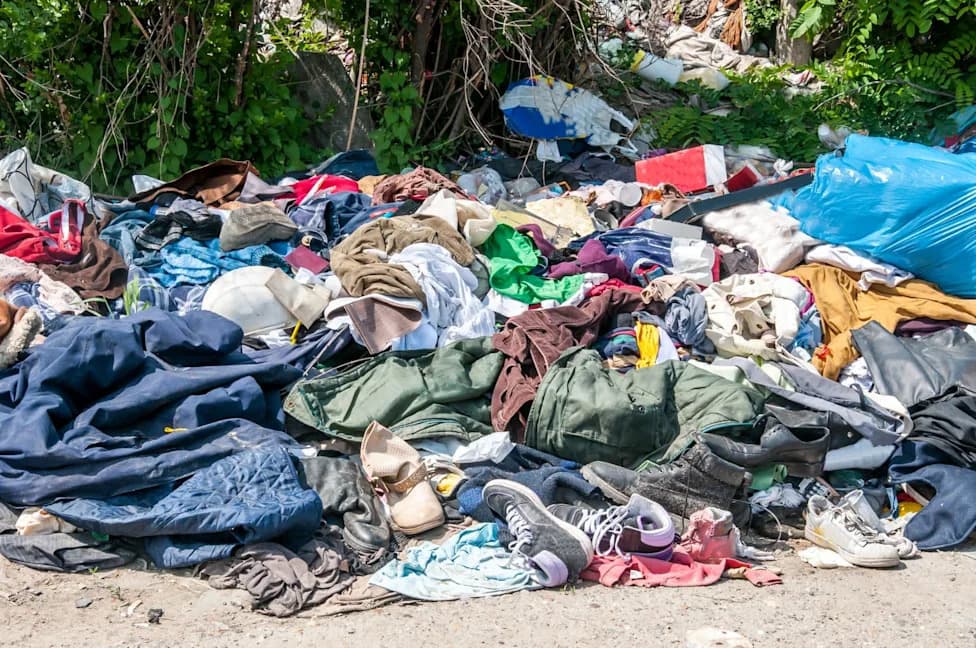
Photo Credit: iStock
A striking image from Australia puts the scale of the global fashion-waste problem in plain sight: roughly 6.6 tons (six tonnes) of clothing are sent to landfill there every 10 minutes. The scene, shown in the Australian documentary series War on Waste, features host Craig Reucassel standing on a six-ton pile of discarded garments and asking passersby how long it took to amass such a heap — the answer: just 10 minutes.
How Much Clothing Is Thrown Away?
U.S. Environmental Protection Agency (EPA) data from 2018 put the scale into stark terms for the United States: about 215 tons of textiles were sent to landfills every 10 minutes that year. The EPA estimated roughly 17 million tons of textile waste were generated in 2018, with about 11.3 million tons landfilled. Of that total, approximately 15% was recycled, 19% was incinerated for energy, and 66% ended up in landfill.
Across the European Union, estimates show more than 143 tons (130 tonnes) of textiles were discarded every 10 minutes. The European Environment Agency reported that in 2020 textile waste averaged about 16 kg (35.3 lb) per person, and only about one-quarter of that was separately collected for reuse or recycling. The agency also noted that EU textile consumption rose in 2022, with the average person buying roughly 19 kg (41.9 lb) of clothing, footwear and household textiles.
Environmental Footprint
The United Nations says fashion contributes up to 8% of global greenhouse gas emissions and consumes roughly 215 trillion liters (about 56.8 trillion gallons) of water each year. UN-cited experts estimate that doubling a garment's usable life could reduce its emissions by about 44%.
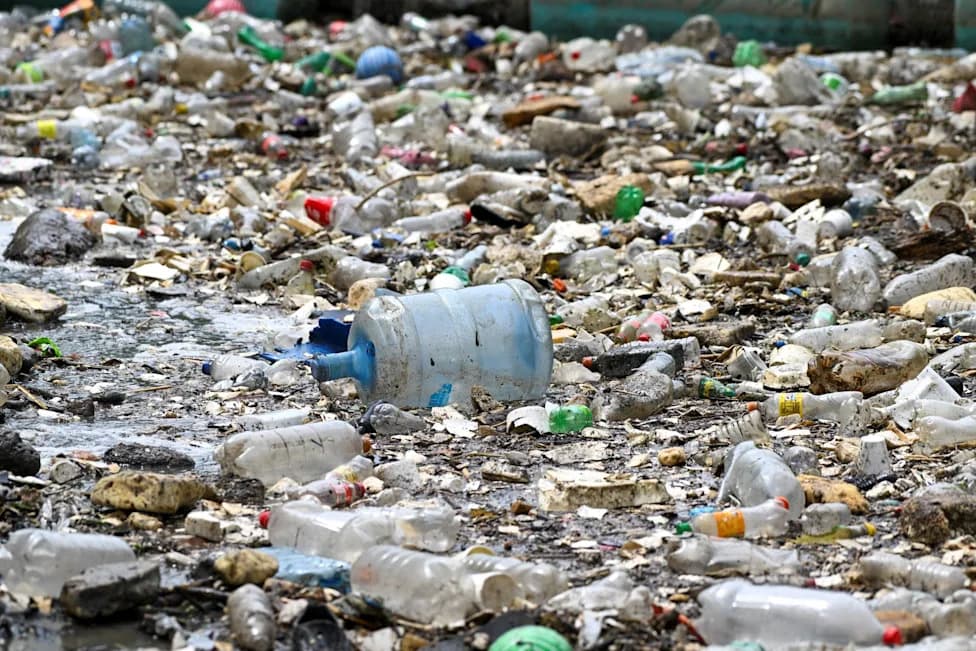
Clothing waste is also tightly linked to plastic pollution: an estimated 60–70% of textiles are made from synthetic fibres such as polyester, and washing these garments sheds microfibers into waterways. The International Union for Conservation of Nature (IUCN) estimates that washing synthetic textiles accounts for about 30% of the primary microplastics that reach the ocean.
Policy Responses And Limits Of Current Solutions
Some governments are starting to respond. Chile recently added textiles to an extended producer responsibility (EPR) law, shifting disposal responsibility onto clothing importers instead of local communities — a move aimed at curbing the growing piles of used and unsold garments dumped in places like the Atacama Desert.
Resale, repair and recycling are growing parts of the solution. United Nations Secretary-General António Guterres has said consumers are demanding more sustainable options and that resale markets are expanding. However, secondhand-export markets can overwhelm recipient countries when donated clothing is too damaged or of such poor quality that it cannot be resold, creating additional waste-management burdens.
“Dressing to kill could kill the planet.” — António Guterres
Rosario Hevia, founder of Chilean textile-recycling firm Ecocitex, notes that public attitudes are shifting: "But now, people are starting to question themselves."
What Individuals Can Do
Consumers can help reduce the problem by buying less, choosing higher-quality items that last longer, repairing clothes instead of discarding them, and donating or selling only garments in good condition. Better labelling, improved collection systems, stronger producer responsibility laws, and investment in recycling technologies are also essential to curb the flow of textiles into landfill.
Bottom line: Fast fashion has made clothing cheaper and more accessible — but at a steep cost to the planet. Reducing consumption and extending garment lifetimes are among the most effective ways to cut emissions, water use and plastic pollution from the sector.
Help us improve.