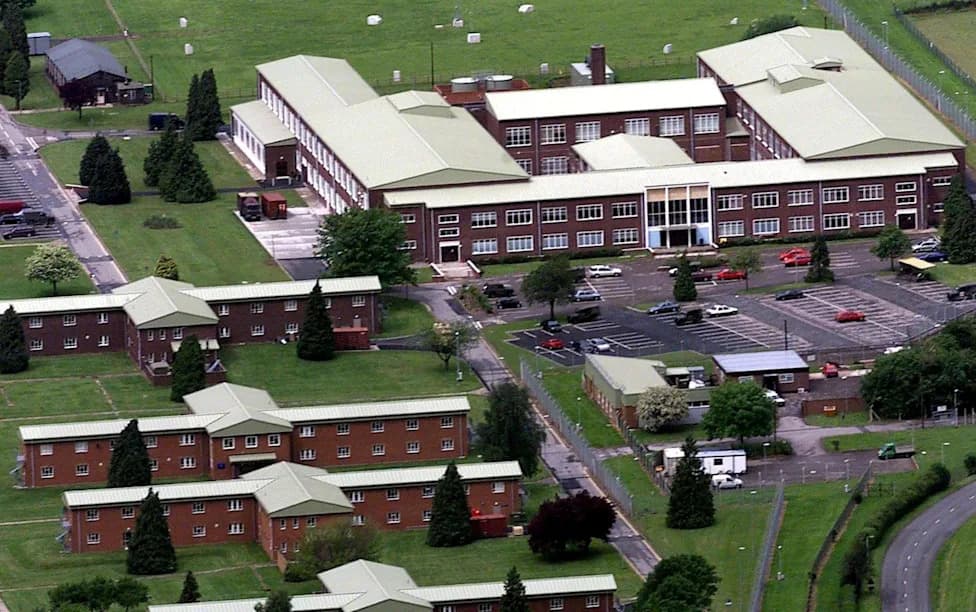
The Debert Diefenbunker near Halifax is being transformed into a 50-unit luxury, crisis-ready condominium complex by entrepreneur Jonathan Baha'i. The 64,000 sq ft bunker will offer biometric security, drone surveillance, an on-site food system, spa facilities and a planned 15,000 sq ft data centre; 11 units are already sold. Developers say the project will create local jobs and tourism, while museum staff and councillors warn of heritage loss, privatization and limited local affordability.
Cold War Diefenbunker in Nova Scotia Reborn as 50 Luxury 'Crisis-Ready' Condos
[Giancarlo Cininni]
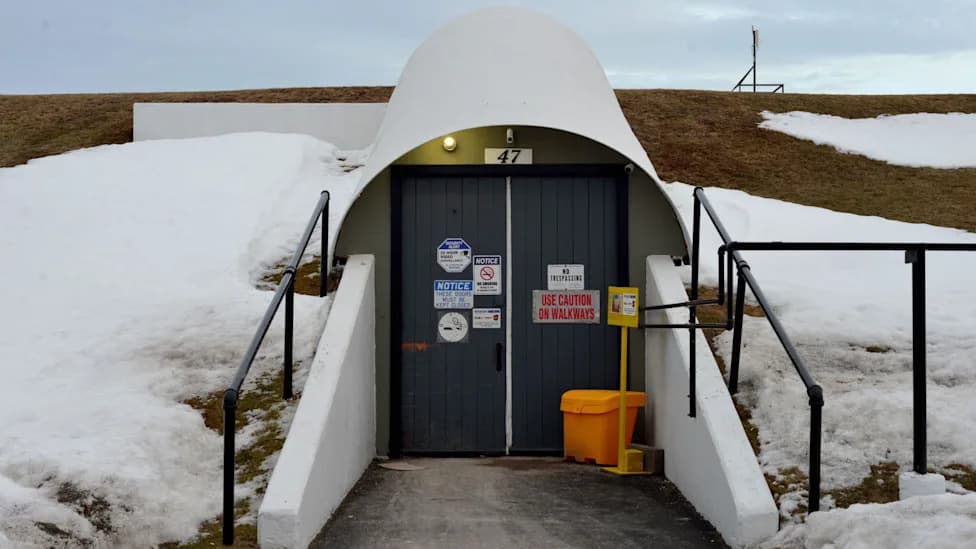
A 64,000 sq ft Cold War-era nuclear shelter outside Debert, Nova Scotia, is being redeveloped into a 50-unit luxury condominium complex pitched as a crisis-ready retreat and boutique hotel. The project — led by entrepreneur Jonathan Baha'i and managed by Fallout Complex Inc — combines high-end residential amenities with a secure, off-grid infrastructure and an expanded data centre.
Project Overview
Baha'i purchased the facility commonly known as the Diefenbunker in 2013 for C$31,300. The renovation will convert the underground shelter into 50 condo units; 11 units have already been sold. When owners are absent, units can be rented as hotel rooms and revenue will be shared with owners. Developers have not disclosed purchase prices or nightly rates.
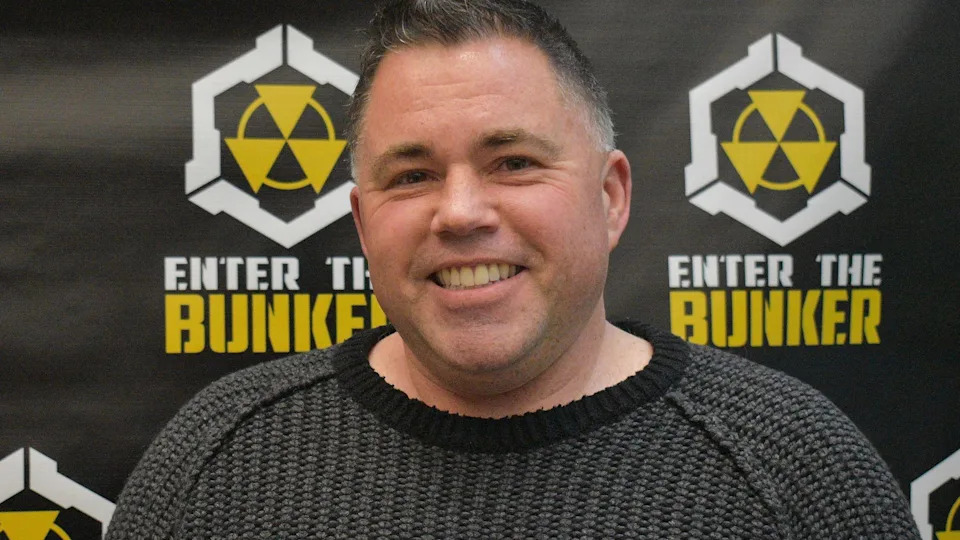
Crypto mogul Jonathan Baha'i bought the former Cold War-era bunker over a decade ago [Giancarlo Cininni]
Amenities, Security And Operations
The development promises biometric access, 24/7 surveillance, on-site medical services, a spa, yoga studio and a cigar lounge. Modern OLED lighting will simulate natural daylight and an adjacent above-ground space will be used for growing food to support a "self-sustaining" provisioning plan. Owners with private aircraft can access the nearby Debert Airport.
Security partners include German firm Bespoke Home and Yacht Security; recommended measures reportedly include drone perimeter surveillance. The site is intended to operate off-grid in emergency scenarios and was opened as shelter to staff and families during Hurricane Fiona in 2022.
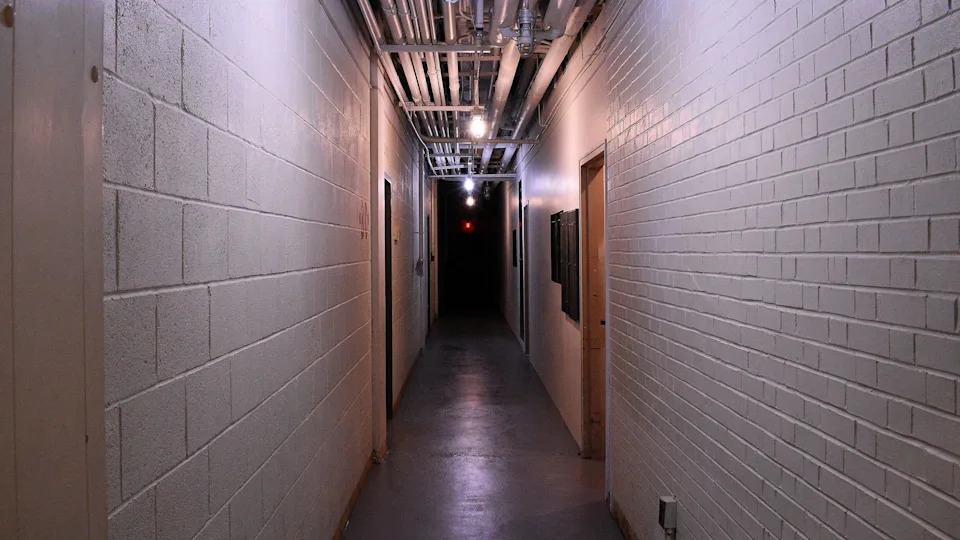
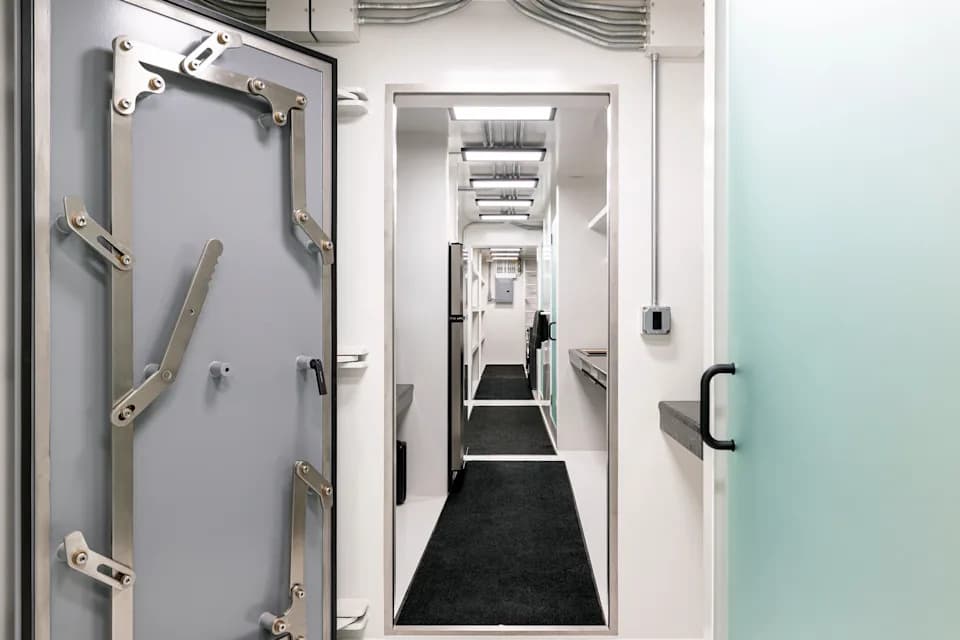
A view inside the bunker complex before planned upgrades and renovations [Giancarlo Cininni]
Data Centre And Local Jobs
The plan calls for an expanded data centre of about 15,000 sq ft, designed to be energy-efficient and highly secure. The operation is expected to create more than 40 hotel and support jobs and will seek local staff to run the data centre and hospitality services.
History And Technical Background
Commissioned during John Diefenbaker's government, seven Diefenbunker sites were built across Canada in the late 1950s and 1960s to shelter a skeleton federal staff. The Debert bunker was designed to withstand a near-miss from a nuclear blast and to sustain 329 people for 30 days. By the time bunkers were complete, advances in missile and nuclear technology limited their strategic value; Debert later served as a provincial emergency warning centre and was closed in 1996.
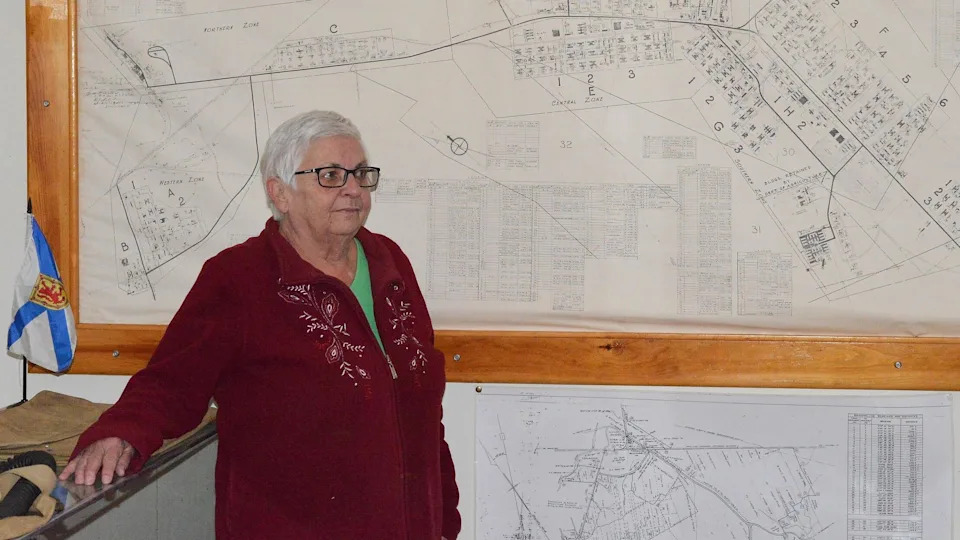
Annette Sharpe worries a piece of history has been lost [Giancarlo Cininni]
There are no exact public records of Debert's original construction cost, but a similarly sized shelter in Nanaimo reportedly cost C$2–3m at the time — roughly C$30m in today’s money. Current running costs for the Diefenbunker are estimated at about C$60,000 a year.
Local Reactions And Concerns
Reactions in Debert are mixed. Supporters and local business owners hope the project will bring tourism, jobs and renewed activity to an area that saw its population fall sharply after the base closure. Critics — including staff from the Debert Military Museum and some council members — worry about loss of public heritage, privatization of a historic site, and the affordability of boutique pricing for local residents. Museum staff say they regret the privatization of a piece of Cold War history and fear restricted public access.
Context
The Diefenbunker conversion mirrors a wider trend of repurposing military infrastructure for private use: former silos and bases in the US have been adapted into secure condos and survival complexes. It also fits within a growing global market for disaster preparedness and "prepping" services that has attracted private investment in secure shelters and related amenities.
Timeline: The renovation aims for completion by early next year; the developers say some units are already sold and early operations will include short-term rentals.
Help us improve.