Quick summary: Texas regulators are considering rules that would require very large electricity customers, like data centers and heavy industry, to pay a bigger share of transmission maintenance costs so residential customers shoulder less of the $5.5 billion annual bill. Gov. Greg Abbott has ordered an expedited timetable for proposals and a final rulebook by Dec. 31. ERCOT’s "Batch Zero" process will evaluate all loads above 75 MW at once to clarify future demand and transmission needs.
Texas Regulators May Make Data Centers and Heavy Industrial Users Pay More of Transmission Costs
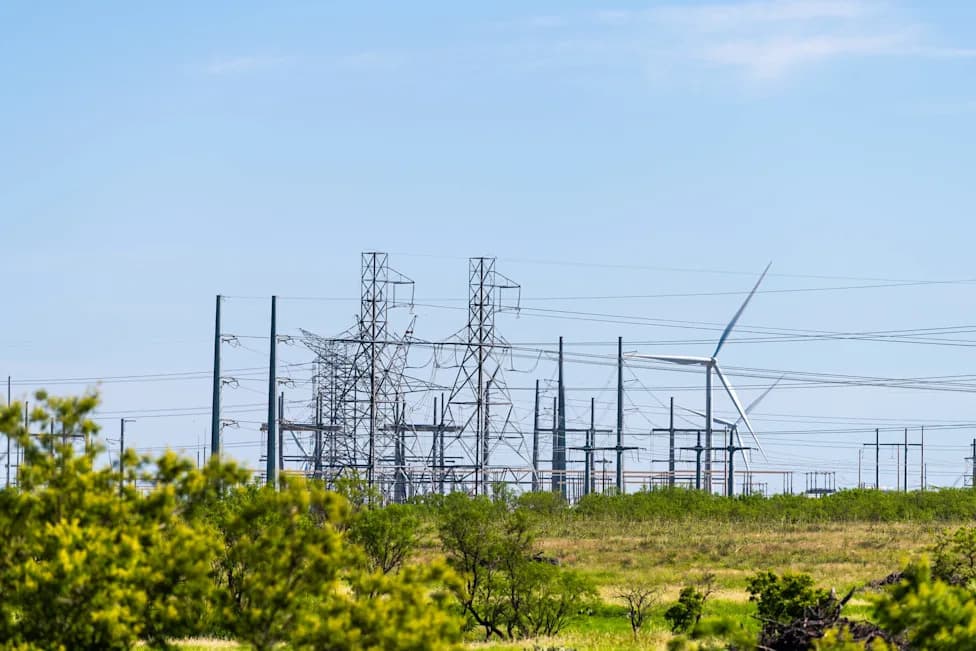
Photo Credit: iStock
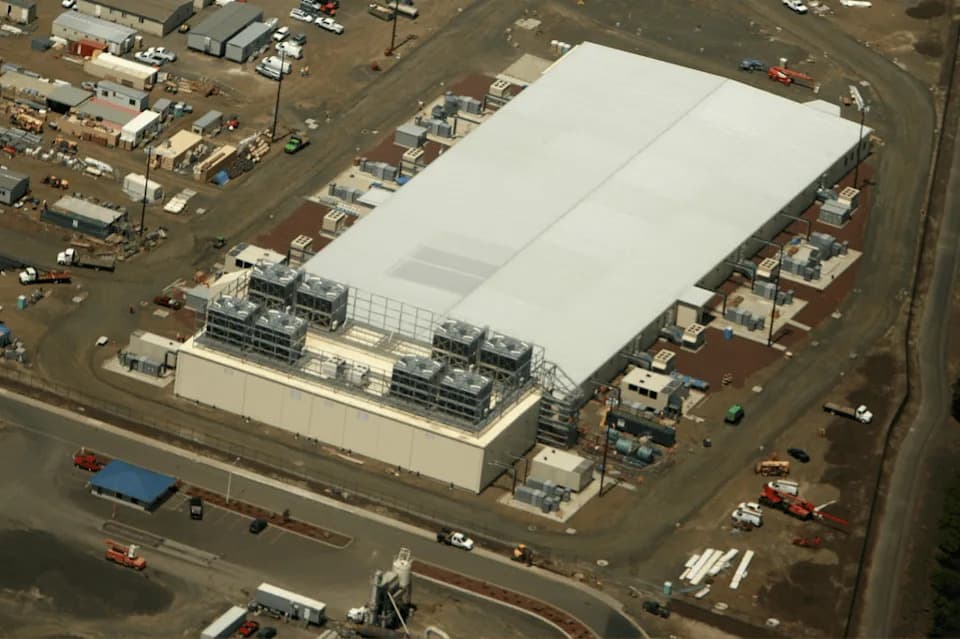
Texas regulators are weighing a proposal that would shift a larger share of electric transmission costs onto very large power users — including data centers and heavy industrial facilities — instead of leaving those costs primarily with residential ratepayers.
What’s under consideration: The Public Utility Commission of Texas (PUC) has reviewed draft rule changes that would require major new electricity customers to contribute more toward the transmission network that serves them. Officials say the change is intended to reduce the portion of transmission upkeep now paid by households.
Texas spends roughly $5.5 billion a year on transmission. Regulators estimate that about 44% of those costs are currently charged to residential customers, and they argue that some of that burden effectively subsidizes the grid needs of extremely large users.
Governor’s timetable: Gov. Greg Abbott has pushed an accelerated schedule: a joint PUC–ERCOT memorandum by July 17, proposed measures to lower residential costs by July 31, and a finalized rulebook by Dec. 31.
ERCOT’s procedural change — "Batch Zero": The Electric Reliability Council of Texas (ERCOT) is handling an administrative process called "Batch Zero," which evaluates all loads above 75 megawatts across the grid at once rather than case-by-case. ERCOT staff reviewed a July 10 paperwork deadline for that process, which is intended to give planners a clearer, system-wide picture of where major demand growth is likely to appear.
Why it matters: If very large customers are required to absorb a larger share of expansion and maintenance costs, residential bills could see some relief. The change would also provide clearer price signals to companies planning power-intensive projects — potentially influencing where and whether they build in Texas.
Broader context: Texas has become a national example of rapid electricity demand growth. When demand rises faster than planning and cost-allocation rules adapt, households can end up paying more even if they are not the primary drivers of new infrastructure. Debates now center on fairness (who pays) and reliability (ensuring residents have dependable power).
Next steps: Regulators will continue rulemaking and procedural changes through the fall. Stakeholder comments and final PUC rules later this year will determine how the costs are allocated and whether new large facilities face higher upfront transmission charges.
Note: The proposal aims to balance reliable service for residents with fair cost allocation as Texas manages rapid increases in large, power-hungry projects.
Help us improve.