Trinidad and Tobago signed memorandums of understanding with U.S. firms Ernst & Young and Hummingbird AI that could lead to a proposed 300 MW data center and a 150 MW AI-focused facility. Officials say the MOUs, plus a separate deal to revive a local steel plant, could generate over 5,000 jobs. Activists warn the projects may strain electricity and water supplies, while a UN University report warns data centers could consume nearly 3% of global electricity by 2030. The agreements are preliminary and will require feasibility studies and regulatory approvals.
Trinidad and Tobago Signs MOUs With U.S. Firms for Large Data Centers; Environmental Concerns Raised

FILE - Trinidad and Tobago Prime Minister Kamla Persad-Bissessar stands at the State Department in Washington, Sept. 30, 2025. (AP Photo/Mark Schiefelbein, File)
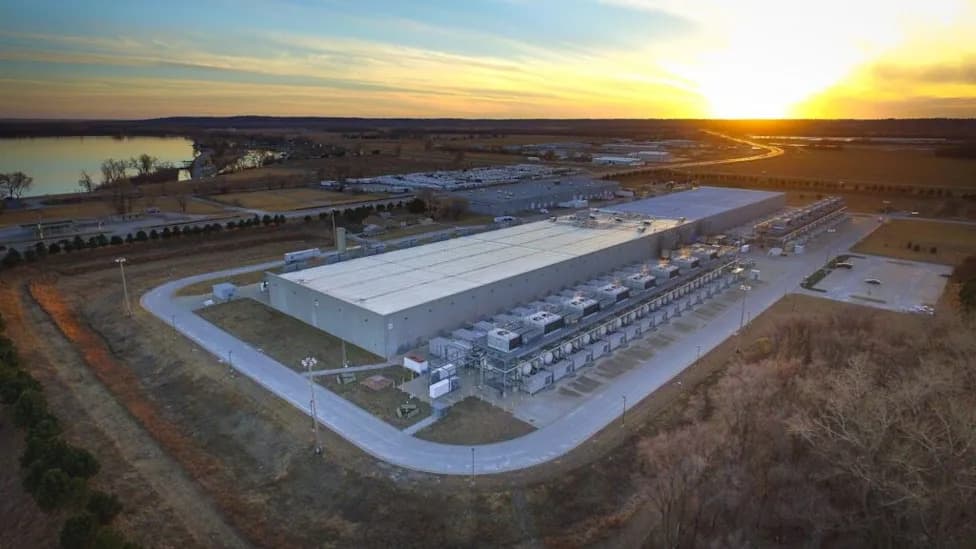
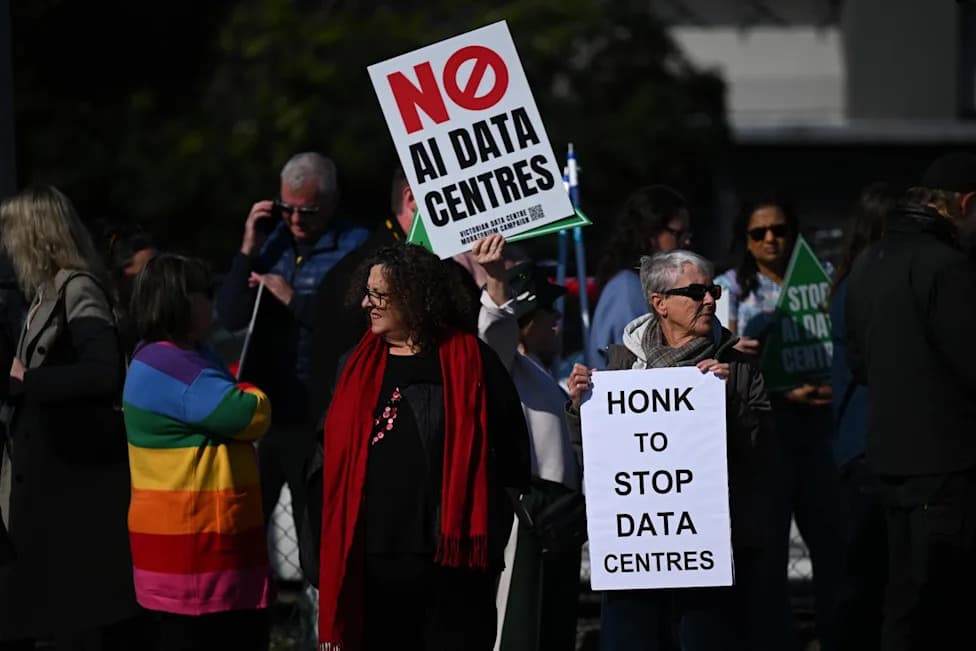
PORT-OF-SPAIN, Trinidad — Trinidad and Tobago has signed memorandums of understanding (MOUs) with two U.S. firms that could clear the way for preliminary work on large data centers in the twin-island nation. Officials say the initiatives promise investment and jobs, but activists and residents warn the projects could strain local water supplies and increase electricity demand.
What Was Announced
The office of Prime Minister Kamla Persad-Bissessar announced on Friday that the government signed MOUs with Florida-based Hummingbird AI Holdings and New York-based Ernst & Young LLP. These are reported to be the first MOUs of their kind between U.S. companies and a Caribbean country.
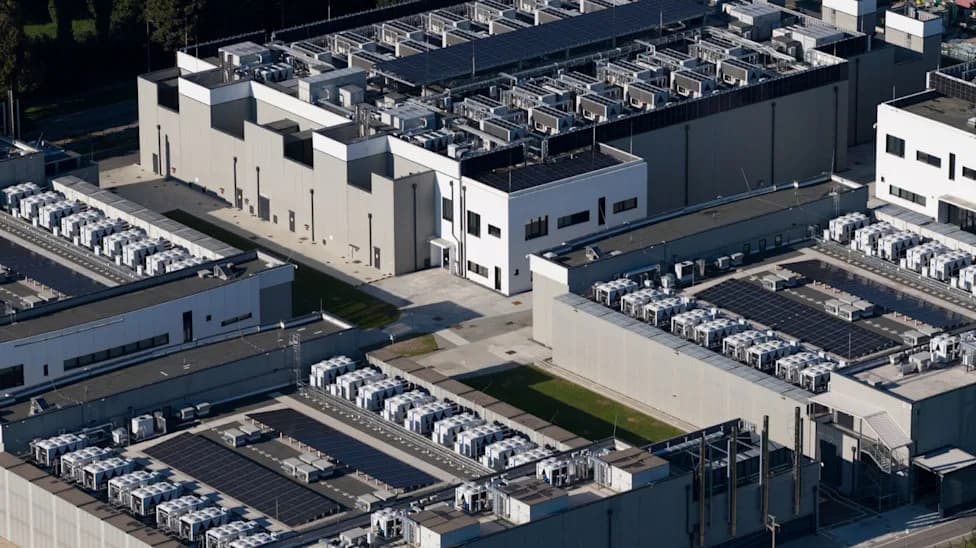
According to the government statement, Ernst & Young will help set a framework for collaboration on a proposed 300-megawatt (MW) data center, planning to "partner with third parties in the development" of the facility. Hummingbird AI Holdings signed an agreement to pursue "preliminary cooperation, due diligence and coordination" for a proposed 150 MW AI infrastructure and data center site.
Note: MOUs are not final construction contracts but outline intentions and steps for due diligence, feasibility studies and potential future partnerships.
Local Concerns: Energy and Water
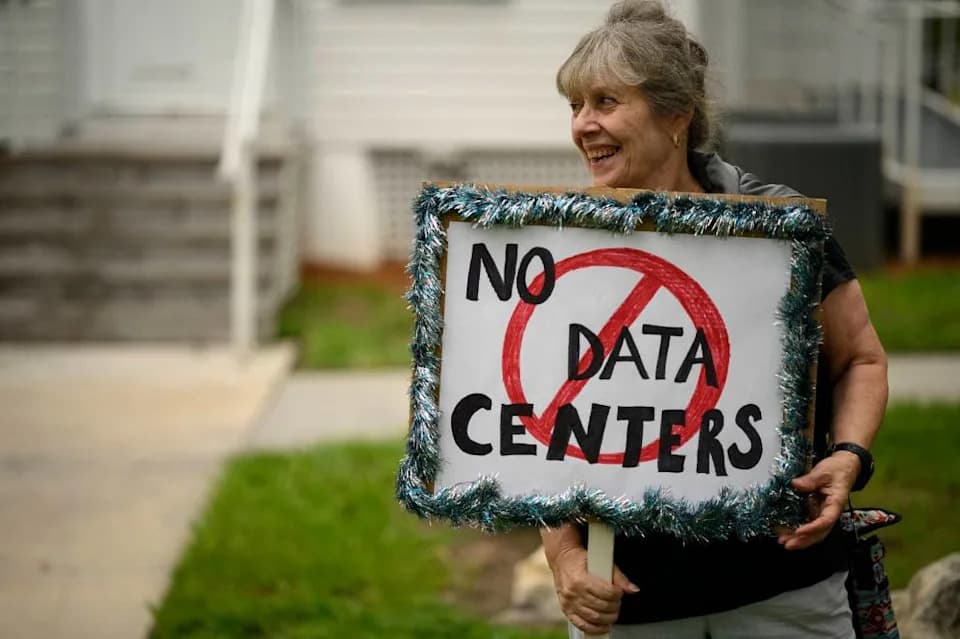
News of the MOUs quickly prompted questions online and among local activists about the environmental and infrastructure impacts of large data centers.
"The government is trying to present something which looks like development, but which is not development,"
said prominent social activist Dr. Wayne Kublalsingh, who told The Associated Press he is worried about the energy demands the planned facilities would impose.
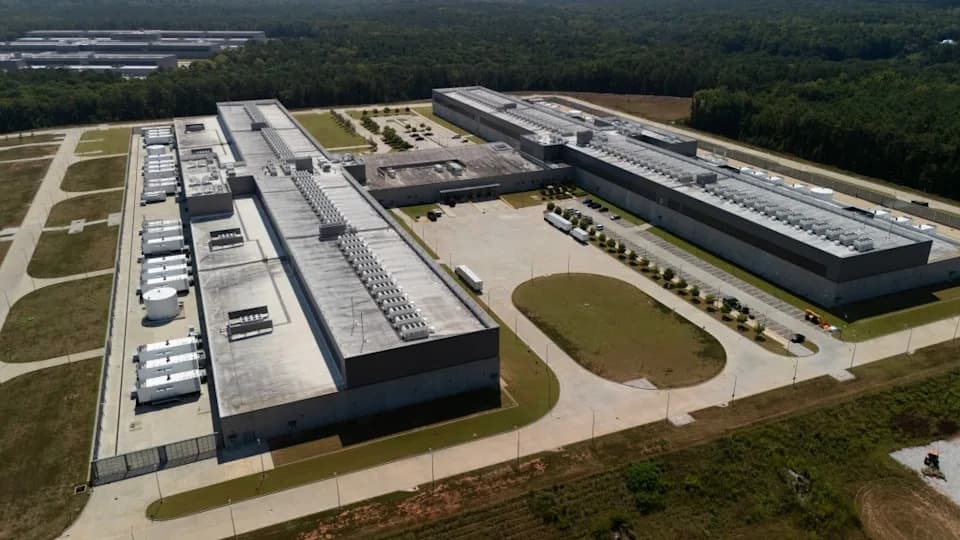
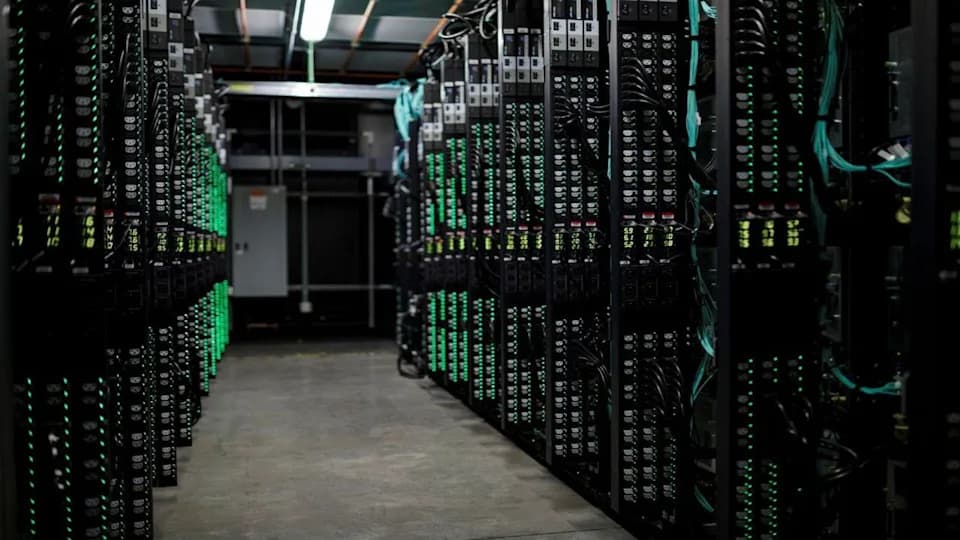
Data centers are described by electrical capacity in megawatts, reflecting the peak power they can draw. A 300 MW facility would be capable of drawing up to 300 million watts at peak load.
Trinidad and Tobago has long experienced intermittent water supply and periodic shortages. Many households rely on private water tanks because tap water can be delivered irregularly—sometimes as rarely as once a week—while some communities have gone weeks without state-supplied water. Activists warn large, water-intensive data center cooling systems could place additional strain on local systems if not carefully managed.
National Power Supply and Wider Context
Government officials say electricity reliability in Trinidad and Tobago has improved over the years and that widespread outages are now less common, though localized outages still occur. Still, the potential increase in electricity demand from multiple large data centers has prompted scrutiny.
A United Nations University report cited by officials notes that data centers worldwide could account for nearly 3% of global electricity use by 2030—roughly 935 trillion watt-hours—highlighting the sector's growing environmental footprint.
Other Agreements and Jobs Outlook
The government also signed a third MOU with Pinnacle Steel and Vanadium Corporation, an American company that recently acquired a local iron and steel plant. Officials said that memorandum allows further talks on recommissioning and operating the plant.
Authorities estimate the combined initiatives could create more than 5,000 jobs, a point the government emphasized while announcing the deals.
Government Response
"They're going to invest here to work on data centers, two for data centers, and one to help us rejuvenate and rebuild our steel industry,"
Prime Minister Persad-Bissessar said during a U.S. Independence Day event hosted by the U.S. Embassy in Trinidad and Tobago. Her office also said the U.S. government helped facilitate the parties involved in the agreements.
What Comes Next
Because the agreements are MOUs, next steps include feasibility studies, environmental and social impact assessments, negotiations with local stakeholders, and potential permitting. Community concerns and regulatory reviews will likely shape whether and how any facilities move from planning into construction and operation.
Bottom line: The MOUs signal significant private-sector interest in Trinidad and Tobago’s digital infrastructure potential but also raise important questions about resource use, environmental impacts, and how benefits will be shared locally.
Help us improve.