This study uses computational simulations to reconstruct how medieval chivalric texts were copied and disseminated, estimating that up to 60% of chivalric works and more than 95% of chivalric manuscripts may be lost. The models treat manuscript transmission as a time-sensitive, dynamic process and factor in events like wars, plagues, and low early copy numbers. The results support long-standing scholarly concerns about large-scale loss and offer a quantitative tool for assessing what is missing from the historical record.
Lost Legends: Study Suggests Up to 60% of Medieval Knightly Tales Have Vanished
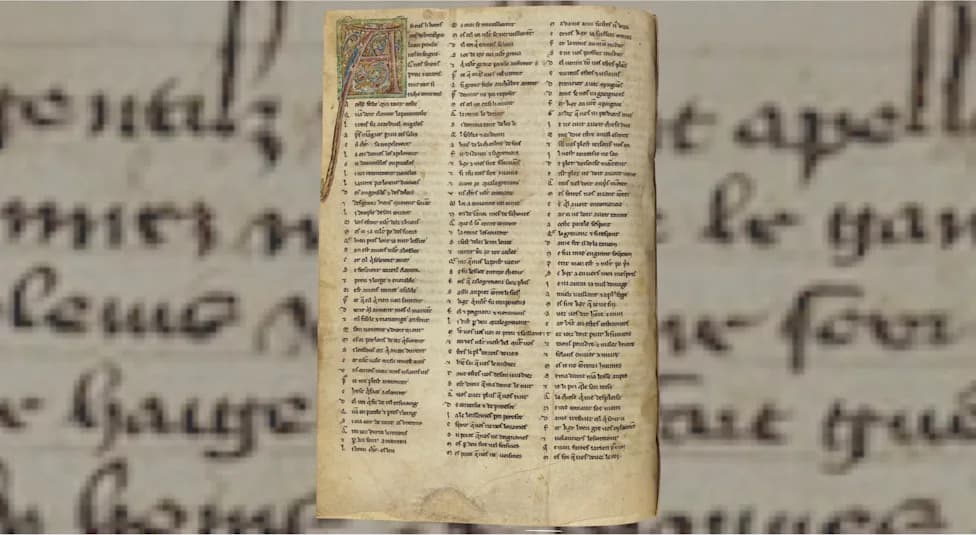
Researchers have recreated the evolutionary trees of medieval texts.
Before Johannes Gutenberg's printing press, every text was reproduced by hand. Copyists frequently introduced intentional or accidental changes, and those variants propagated through subsequent copies — a process scholars often compare to genetic mutation in biological lineages.
A New Computational Look at Manuscript Genealogies
Building on pioneering mathematical work from the 1970s and 1980s by Michael P. Weitzman, Julien Randon-Furling (Centre Borelli, École normale supérieure Paris-Saclay) and colleagues used computer simulations to reconstruct how chivalric narratives spread from the 1100s. Their study, published in PNAS Nexus, treats manuscript transmission as a dynamic, time-sensitive process that can incorporate historical shocks — wars, pandemics, or shifts in popularity — and quantify their effects on text survival.
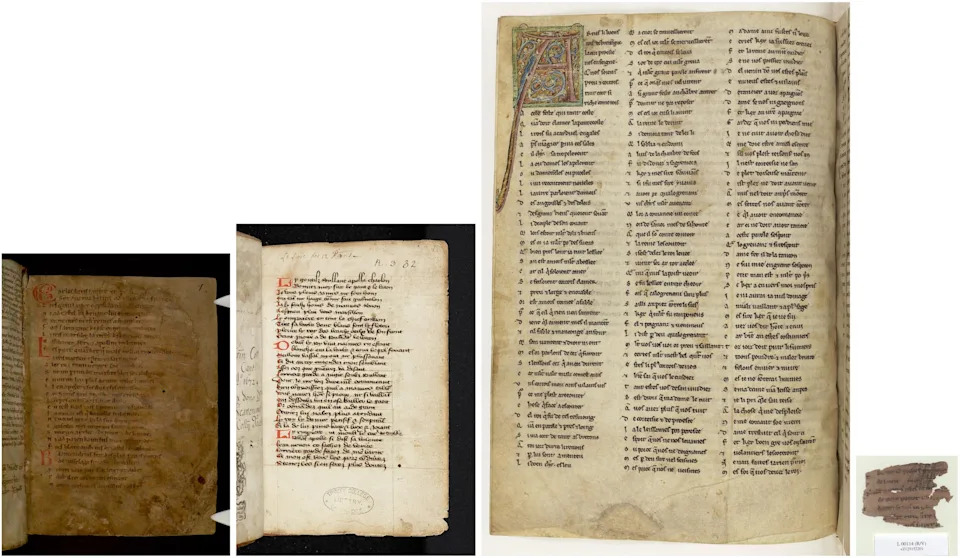
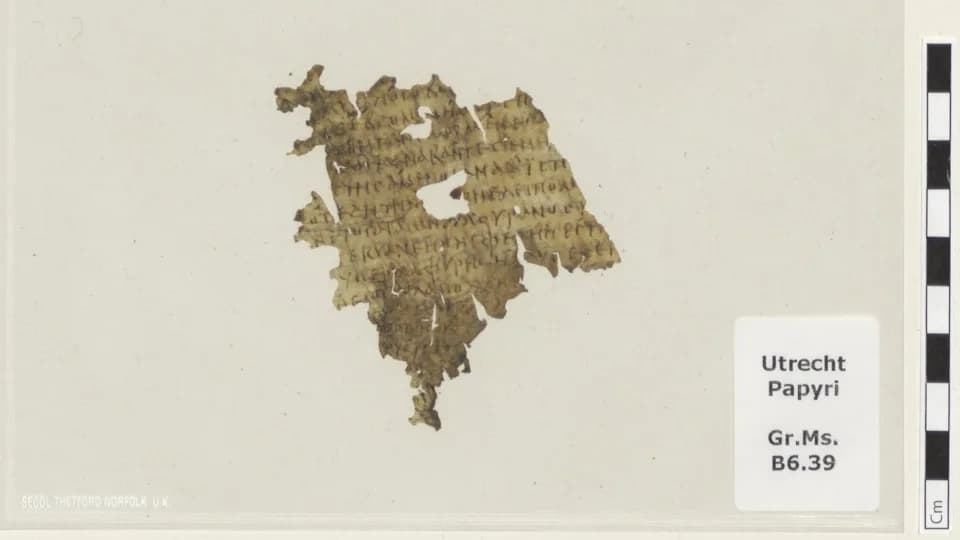
Image: Bodleian Library, Wien, Österreichische Nationalbibliothek
What the Models Found
The team's reconstructions indicate that as many as 60% of chivalric texts and over 95% of chivalric manuscripts may have been lost to history. The models make clear that works with only a few early copies were particularly vulnerable: random accidents, catastrophic events (such as the plague), and simple rarity combined to make disappearance likely for many original texts.
Implications for Literary History
Rather than leaving us only with a catalogue of survivals, the study offers a quantitative tool to estimate what is missing from our cultural record and to situate surviving manuscripts within broader transmission dynamics. As co-author Ulysse Godreau notes, confirming or refining long-held estimates helps historians and philologists better understand how incomplete our picture of the past may be.
"One of our central questions was, How much of the past do we actually hold?" — Julien Randon-Furling
Next Steps
The researchers plan to extend the approach to older corpora, including ancient Greek plays, and have already applied similar methods to texts by the Church fathers. They also aim to model cultural transfers across regions and languages in Medieval Europe — for example, from France to Iceland or Spain — treating different areas as distinct 'ecosystems' with potentially different patterns of textual diversity and survival.
Help us improve.