Micronation Liberland, founded by Vít Jedlička on disputed Danube territory, is funded by prominent crypto investors who aim to replace traditional governance with token-based rule. Citizens’ influence is tied to purchasable "Liberland Merits," and the country operates tax-free, with selective settlement policies. Backers such as Justin Sun say Tron blockchain can automate voting and governance, but critics warn this model shifts political power to wealthy tech and finance elites rather than broad democratic institutions.
Inside Liberland: How Crypto Billionaires Are Building a World Where Money Buys Votes

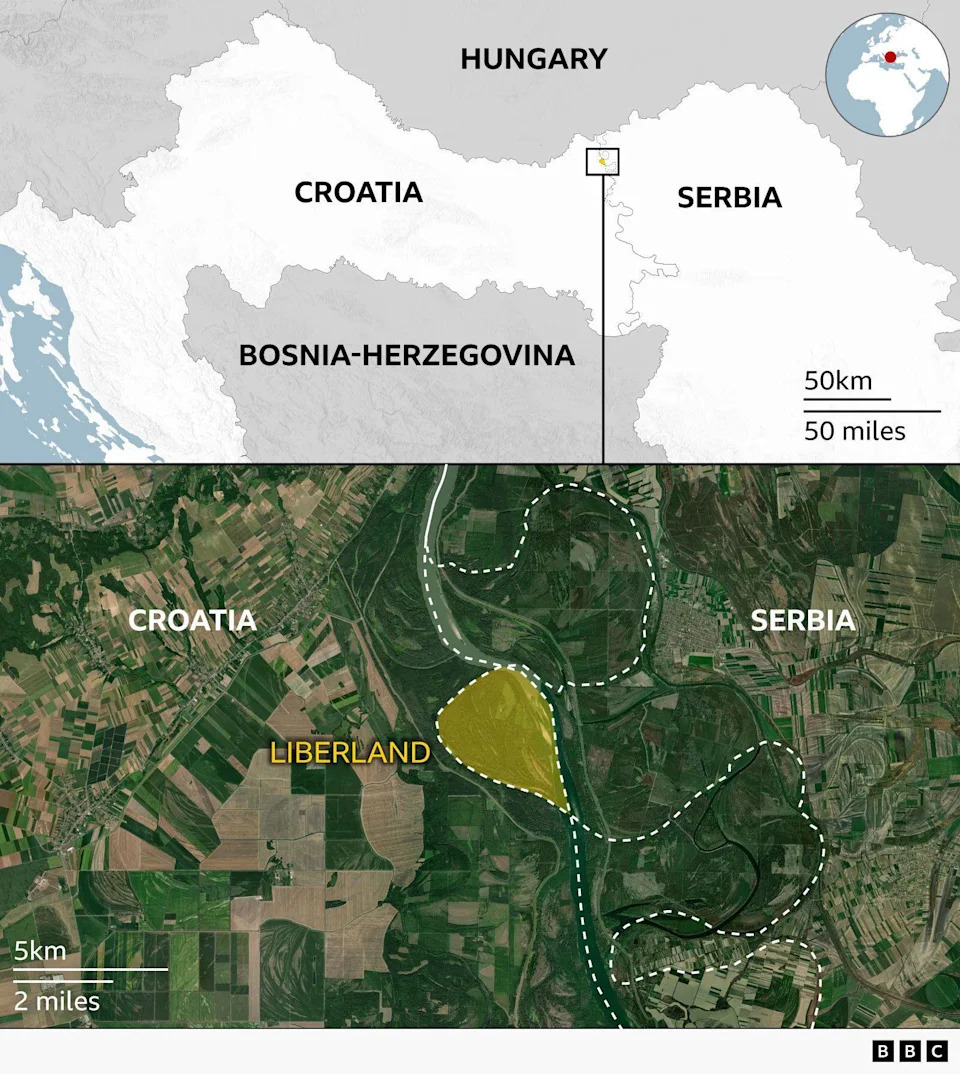
Looking out at Liberland, the micronation on the flood plains of the Danube [BBC]
The Free Republic of Liberland looks unremarkable from a boat: a low, muddy stretch of Danube floodplain dotted with alder trees, tents and treehouses. But its virtual incarnation—envisioned by Zaha Hadid's ZHA studio—features gleaming towers, floating parks and dramatic water installations. That contrast captures the project’s ambition and the wealth behind it.
A Micronation Funded By Crypto Wealth
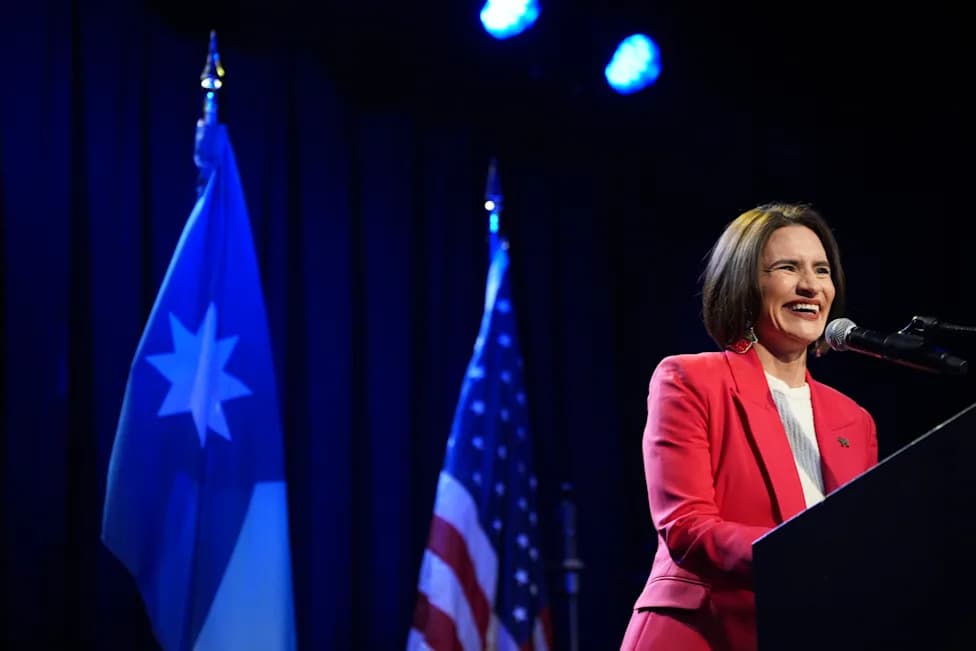
Vít Jedlička, Liberland’s self-declared president, founded the micronation on disputed territory between Serbia and Croatia to experiment with a libertarian, digitally governed state that runs on cryptocurrency technology. The BBC Two documentary The Tech Billionaire Takeover followed the author’s year of reporting on the project and the people financing it.
[BBC]
When Money Buys Political Influence
Unlike most modern democracies that grant one person one vote, Liberland uses a purchasable token called Liberland Merits. Jedlička explains that leadership and influence are tied to Merits:
“So the people that have more Merits are able to have more say in who is going to be in the leadership of the country.”
In other words, financial investment converts directly into political power. The system is intentionally designed to favor wealthier settlers and backers.

Justin Sun and his $6.2m banana [Getty Images]
Tax-Free, Selective Settlement
Liberland also advertises itself as tax-free. Interior minister Ivan Pernar, a controversial former Croatian MP who was expelled from parliament for spreading conspiracy theories, argues the country must be selective about settlers. He defends the policy by warning against what he describes as creating dependency, a stance he expresses in blunt terms in interviews.
Justin Sun And The Tron Connection
Justin Sun, a well-known crypto entrepreneur and founder of the Tron blockchain, is one of Liberland’s highest-profile backers. Sun—whose estimated net worth is around $8.5bn—says Tron technology is being used to power Liberland’s token-based governance. He and, he claims, about 30 other tech billionaires have provided substantial financial backing for the project’s ambitions.
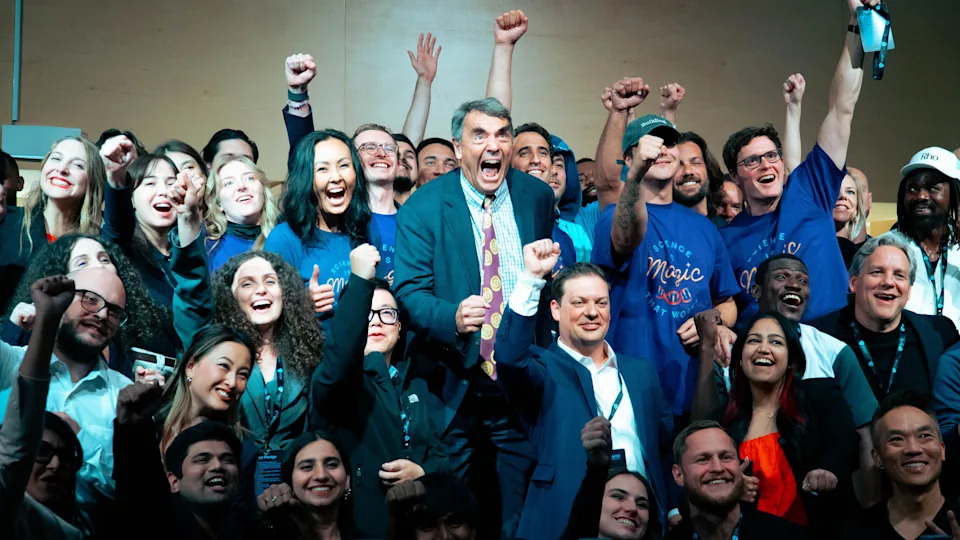
Tim Draper at his namesake university, where freedom is promoted "at all costs" [BBC]
Sun has faced allegations from U.S. regulators related to market manipulation and reached a settlement for some claims; he denies wrongdoing. He was a lead token investor in the Trump-affiliated crypto business World Liberty Financial and reportedly invested tens of millions more in other Trump-related crypto projects.
Blockchain Governance: Promises and Limits
Proponents argue that blockchain can automate voting and enforcement: citizens vote with tokens and smart contracts tally and implement results. In practice, the technology remains immature; human administrators and physical-world logistics still play a central role in implementing laws and services.
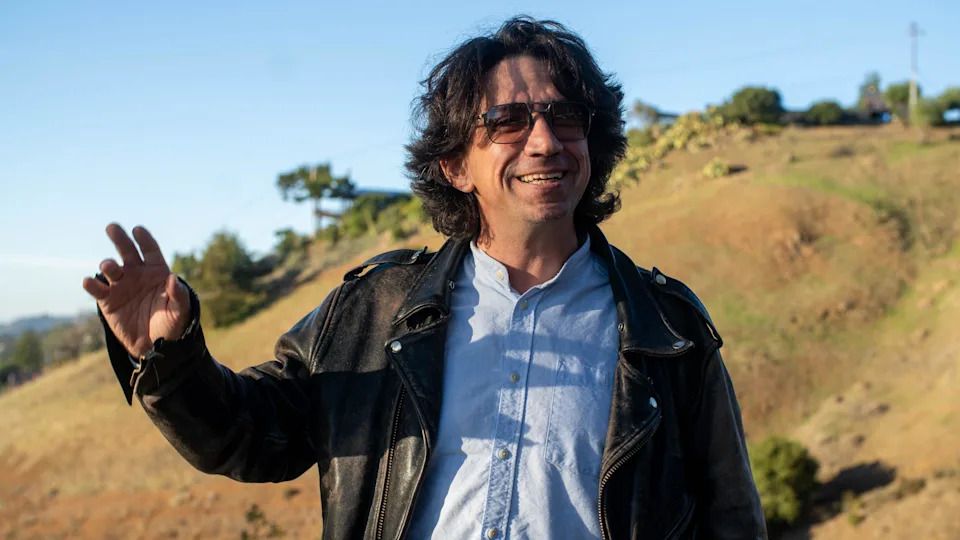
Curtis Yarvin envisions a world ruled by "corporate monarchies" [BBC]
Illicit Flows And Accountability Concerns
Blockchain analytics firm TRM Labs has identified Tron among platforms used to move illicit funds, including transfers reportedly tied to organized crime and extremist groups. Sun says Tron has worked with law enforcement to reduce illicit activity, but critics warn that decentralised systems can make oversight more difficult.
Political Ties And The Bigger Movement
Liberland is part of a wider ecosystem of experiments that aim to sidestep traditional nation-states: Prospera in Honduras, seasteading projects backed by figures such as Peter Thiel, and Tim Draper’s Draper Nation. Draper and other tech investors argue that governments provide poor services at high cost and that market-driven or blockchain-based models will replace them.
Many of these ideas intersect with the political thought of figures like Curtis Yarvin, who proposes a “Patchwork” of sovereign mini-states owned by shareholders and competing for citizens. Yarvin’s proposals are controversial: critics warn they could concentrate power in the hands of private shareholders and tech elites.
What Happens If Governments Are Replaced?
Supporters say blockchain can free money and governance from state control. Critics counter that decentralising the state without democratic safeguards risks handing political power to those who control the technology and the capital backing it. The Liberland experiment raises urgent questions about accountability, equality and who benefits when voting power is effectively purchasable.
Note: This article is based on reporting for a BBC Two documentary and includes quotes and claims made by the people involved. Some figures and allegations (investment amounts, regulatory settlements and reported illicit flows) are taken from public reporting and statements and are presented here as reported.
Help us improve.