The SAVE America Act, championed by Donald Trump, goes well beyond a simple voter-ID change. It would require proof of citizenship to register, create a federal voter ID to cast ballots, add new hurdles for mail-in and early voting, and insert unrelated anti-trans provisions. Senate Republicans warn the bill likely cannot clear a 60-vote threshold and may lack majority support, but the White House has pushed for it to be prioritized.
Trump’s SAVE America Act Would Do Far More Than ‘Voter ID’ — And Could Tighten Access to the Ballot
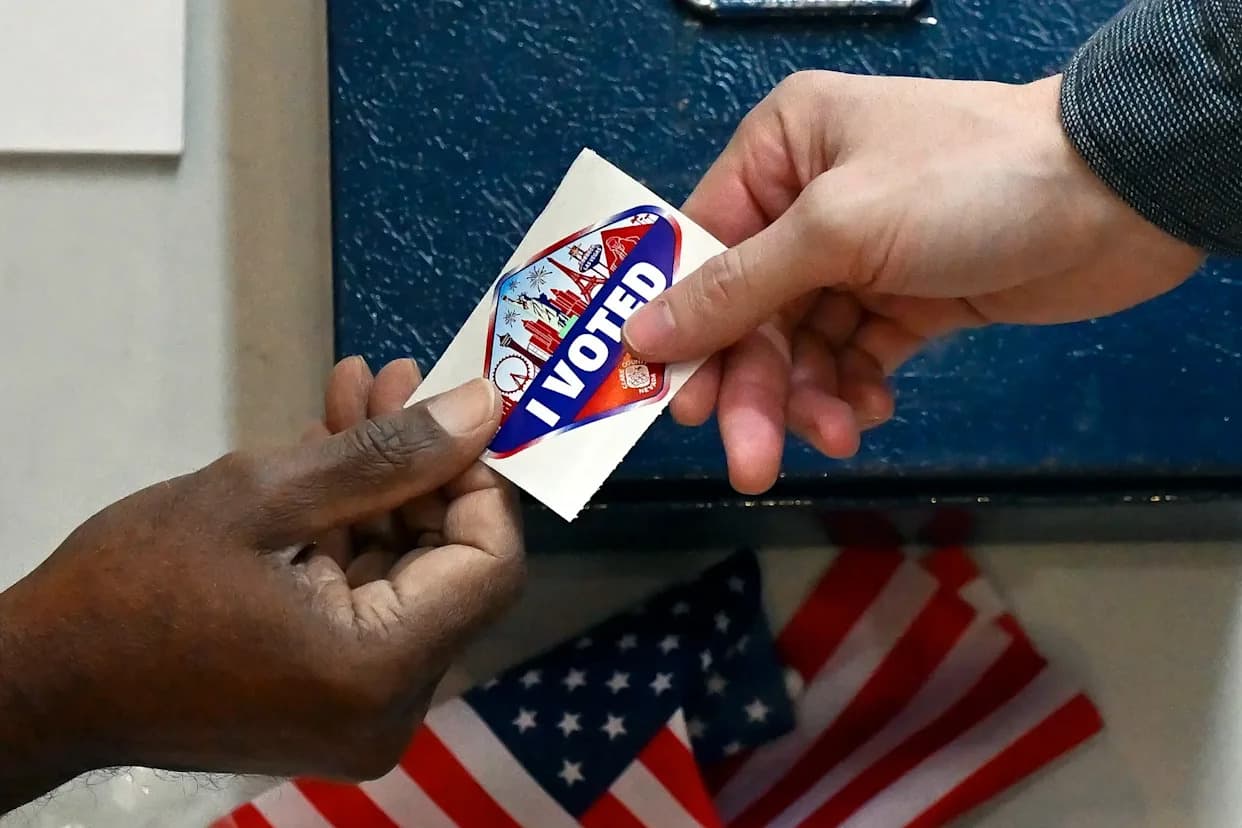
A voter receives an “I Voted” sticker after casting their ballot inside the Galleria at Sunset mall on Nov. 5, 2024, in Las Vegas.(David Becker / Getty Images)
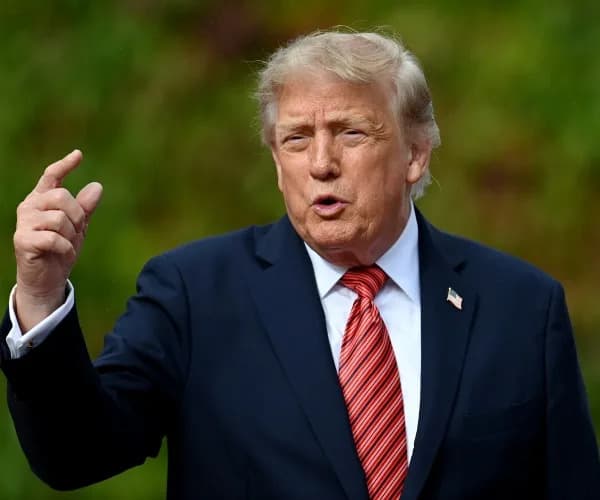
Donald Trump has pushed the Republican-controlled Congress to make passage of the so-called SAVE America Act a top priority — even briefly blocking a bipartisan housing bill to press the point. Though often reduced in headlines to a simple "voter ID" proposal, the package is far broader and would reshape multiple aspects of registration and voting while inserting provisions unrelated to election administration.
What the SAVE America Act Would Change
Proof of Citizenship To Register: The bill would require documentary proof of citizenship to register to vote. Supporters present this as a safeguard against fraud; critics say it creates an unnecessary barrier for many Americans, including tens of millions who may lack easy access to birth certificates or other records.
Federal Voter ID Requirement: The package would establish a federal ID requirement for casting ballots. Election experts warn this could disproportionately affect lower-income voters and others who face practical obstacles to obtaining acceptable identification.
New Restrictions on Mail and Early Voting: The legislation would impose additional federal requirements on mail-in and early voting, adding layers of paperwork and verification. Limited exceptions would be available only to voters who meet conditions set by the bill.
Anti-Trans Provisions Unrelated To Elections: The bill also contains provisions targeting transgender people that have no clear connection to voting administration. The reasons for including these measures have not been fully explained by the White House.
Political Context And Prospects
Senate Republicans privately warned the president that the bill is unlikely to clear the 60-vote threshold required to overcome a filibuster and may not even command 50 votes. According to reports, Trump urged senators to push the measure regardless — including by considering elimination of the filibuster — a step many GOP senators are reluctant to take.
Whether the bill ultimately passes is uncertain. Still, the scope of the proposal and the administration’s insistence on prioritizing it make clear the broader aim: increased federal control over who can vote and how ballots are cast, accompanied by rhetoric that continues to cast doubt on the integrity of U.S. elections.
"Saving" America, the bill’s name notwithstanding, does not appear to be the primary motive behind the proposed measures.
The consequences of these changes would extend beyond legal text: they could shape how easily Americans register and vote, particularly among historically underserved communities. Lawmakers and voters should weigh both the specifics of the legislation and its broader political effects.
Help us improve.