
Sir Keir Starmer resigned after a prolonged loss of authority within his own parliamentary party, brought about by a string of U-turns, public rows and contested appointments. Key moments included the reversal of the winter fuel payment change, the benefits climbdown and the controversial Mandelson appointment, alongside senior resignations. Private dissent turned public after poor election results and calls from figures like Anas Sarwar, paving the way for Andy Burnham to form a government-in-waiting.
How Sir Keir Starmer Lost Control: Inside the Downfall of a Prime Minister
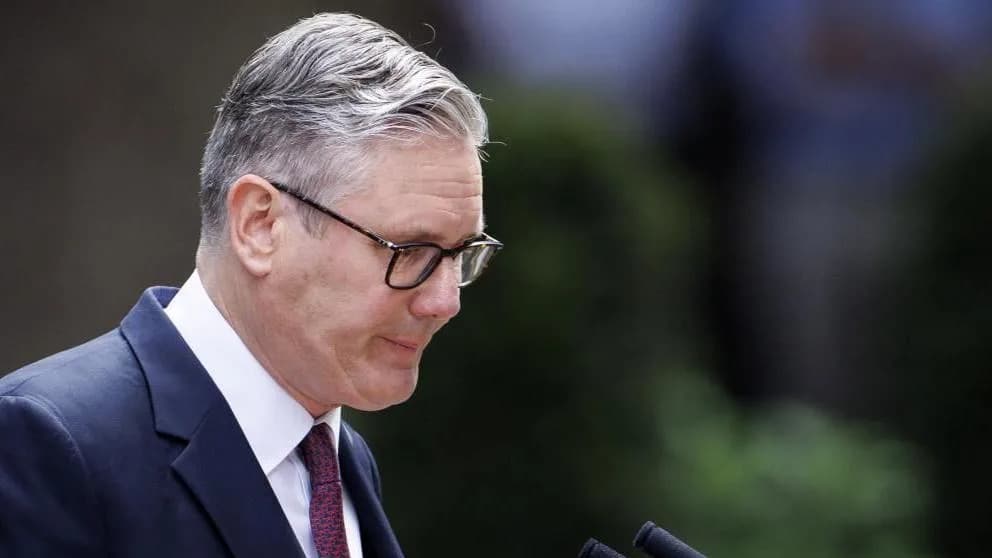
Sir Keir Starmer announcing his resignation [EPA]
For months — and at times day after day — journalists and MPs watched the gradual unravelling of Sir Keir Starmer's premiership. What culminated this week was not a single dramatic scandal or economic collapse but a steady erosion of authority inside his own party that left him unable to govern effectively.
Overview
Sir Keir's departure followed a series of policy U-turns, public rows, contested appointments and senior resignations that together undermined confidence among Labour MPs. That loss of internal backing, rather than one headline scandal, proved decisive.
Key Episodes That Weakened Downing Street
Early U-turns: Soon after government formation, the cancelled (and later reversed) change to the winter fuel payment for many pensioners became an early public misstep, signalling hesitation and poor communication.
Internal briefing battles: Within weeks of taking office, reporting exposed a briefing war aimed at removing Sir Keir's first chief of staff, Sue Gray — a sign of factional tensions at the heart of No 10.
The benefits climbdown: Just over a year ago a humiliating retreat on planned benefits changes crystallised the view among many MPs that the government could be pushed around. That moment inflicted significant loss of authority.
The Mandelson appointment: The controversial appointment of Lord Peter Mandelson as ambassador in Washington generated sustained criticism. Although Mandelson was later sacked, the episode lingered and further dented credibility.
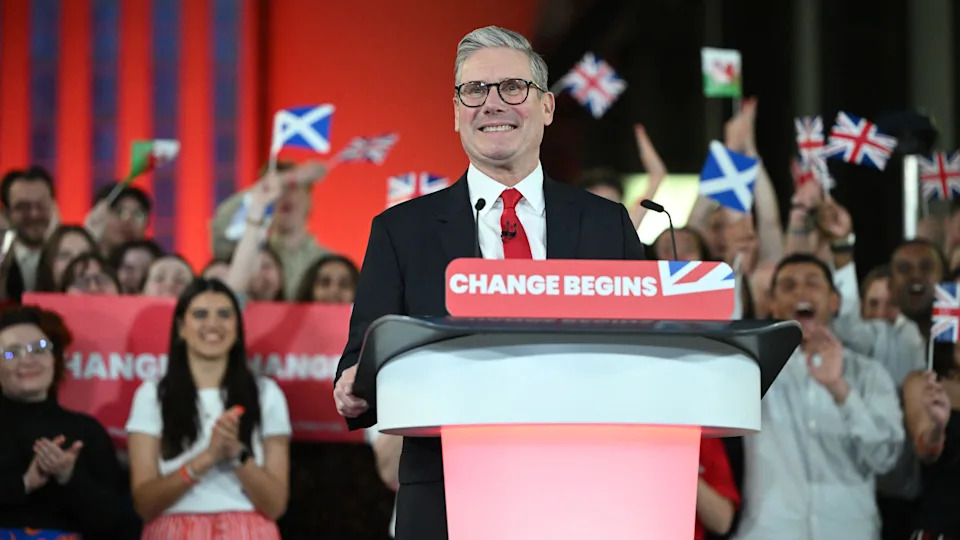
Labour won a majority of more than 170 seats in July 2024 with Sir Keir as leader. [AFP via Getty Images]
Senior departures: Long-standing allies such as Morgan McSweeney and communications director Tim Allan left during the period of turmoil, compounding perceptions of instability.
From Private Dissent To Public Crisis
Behind the scenes, private discontent among MPs gradually became public. Journalists reported off-the-record conversations that signalled growing alarm; by New Year's Eve it was widely framed as a make-or-break year for Sir Keir, with the May elections expected to be pivotal.
In February the crisis escalated when Scottish Labour leader Anas Sarwar publicly called for Sir Keir to step down — a highly visible indicator of intraparty revolt. Poor results in the May elections convinced many MPs that the leader was damaging the party's electoral prospects, prompting an exodus of confidence and paving the way for Andy Burnham to contest the Makerfield by-election and position himself as a successor.
Discipline Breaks Down
The public spat between Home Secretary Shabana Mahmood and the prime minister over immigration minister Mike Tapp became emblematic of a government losing coherence. Mahmood publicly demanded action over perceived insubordination; the prime minister's refusal to sack the junior minister highlighted a collapse in collective discipline.
A Government-In-Waiting
As Sir Keir set out a timetable for his departure, a new leadership team coalesced in Westminster and Manchester. Andy Burnham, newly re-elected to Parliament after the Makerfield by-election, is assembling a policy programme and is widely expected to take office by mid-next month.
What Comes Next
The final chapters of this episode will be written quickly: a transition to new leadership, the testing of a fresh policy agenda, and scrutiny of whether Labour can restore internal discipline and public trust. The pattern of short-lived premierships in recent years raises broader questions about parliamentary culture, party management and the pressures facing modern leaders.
Bottom line: Sir Keir's downfall was driven less by a single misstep than by a cumulative loss of authority — a gradual collapse of confidence within his own parliamentary party that left him unable to command a coherent government.
Help us improve.





















