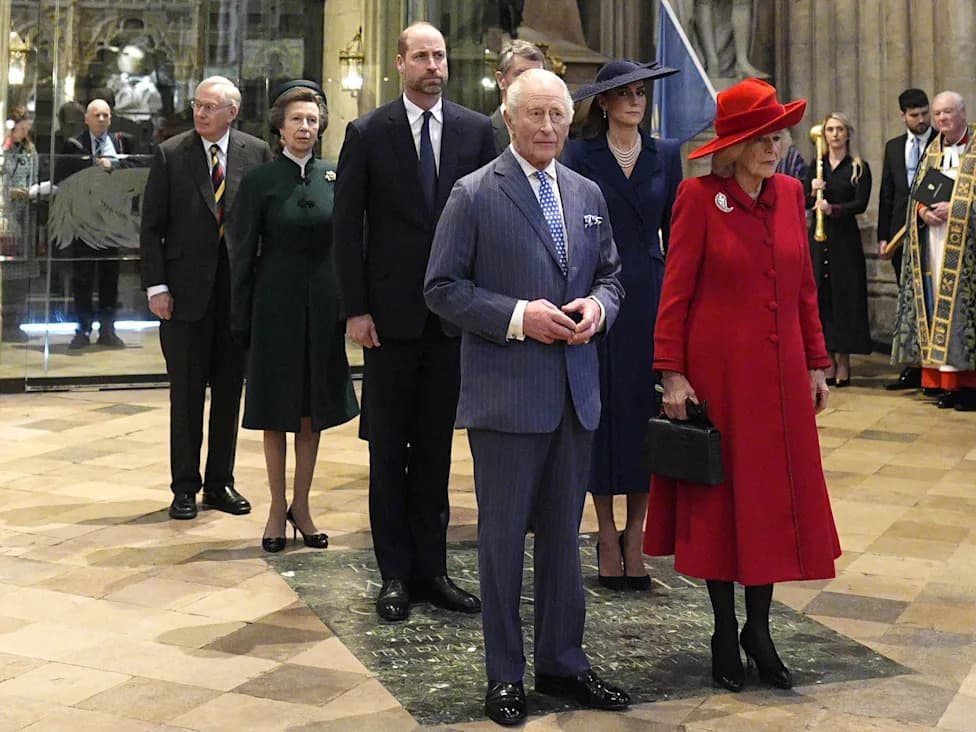
King Charles has voluntarily revealed he paid £12.9m in tax for 2024–25, while Prince William paid £7.76m in the same period — both at the highest rate. The Sovereign Grant will rise to £99.9m from 2027–28 to cover palace upkeep, cyber security and green upgrades, but the annual figure will fall from current levels once Buckingham Palace refurbishments end. The King and Queen will remain at Clarence House to allow greater public access to Buckingham Palace, and Prince William has renounced a £1.5m Duchy rent to support the Dartmoor community.
King Charles Discloses £12.9m Tax Bill For 2024–25 As Royals Publish Annual Accounts
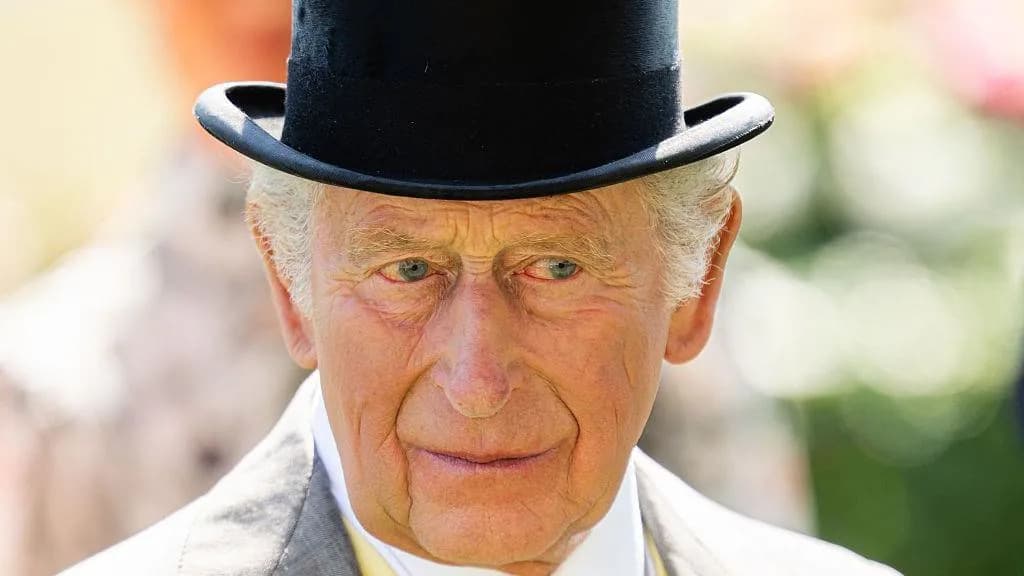
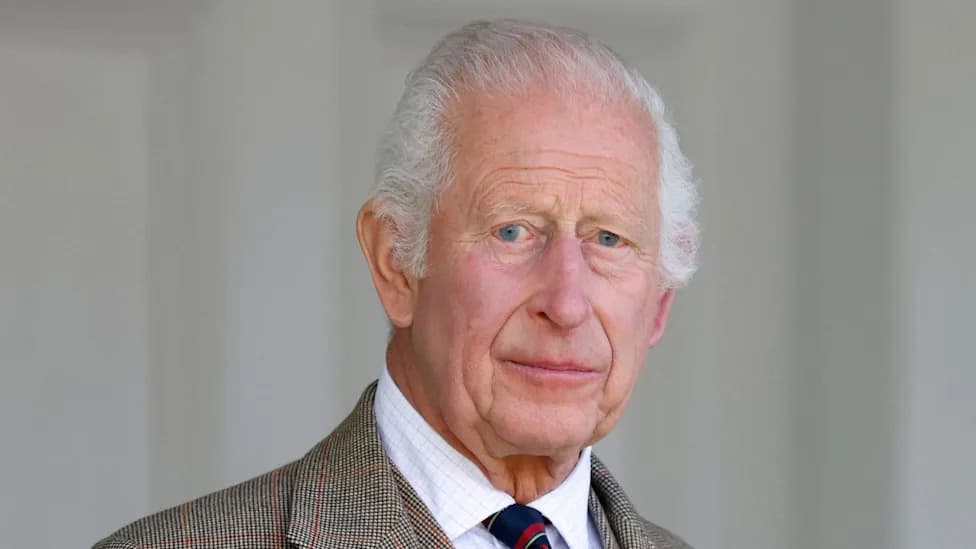
The King is the first British monarch to reveal their tax bill in modern times [Getty Images]
King Charles has voluntarily disclosed that he paid £12.9m in tax for the 2024–25 tax year — the first time a reigning monarch has published a personal tax bill. The annual royal report and accounts also show the Prince of Wales paid £7.76m over the same period. Buckingham Palace said the move was intended to increase transparency and encourage wider public understanding of royal finances.
Key Figures and Income Sources
The accounts confirm both the King and Prince William paid tax at the highest rate. For 2023–24 the King paid £11.7m and Prince William paid £8.34m. Since Charles became monarch in 2022 and William became Prince of Wales, the combined payments by father and son to HM Revenue & Customs have exceeded £50m.
The King receives taxable income from the Duchy of Lancaster — a portfolio of land, investments and properties — which provided an income of £25.2m in 2025–26. Additional taxable income may come from personal investments and the monarch’s private estates at Balmoral and Sandringham. Prince William is funded primarily by the Duchy of Cornwall, a large hereditary estate covering roughly 130,000 acres and valued at about a billion pounds; it also owns sites such as the Oval cricket ground.
Transparency, Audits and Donations
Prince William’s office confirmed that he pays income tax at the highest rate on any net surplus after official and household costs; those costs are independently audited to ensure deductions are appropriate, said his private secretary Ian Patrick. The tax figures for 2025–26 are still being audited and will be published next year. Details of private investments and full tax breakdowns were not disclosed in the report.
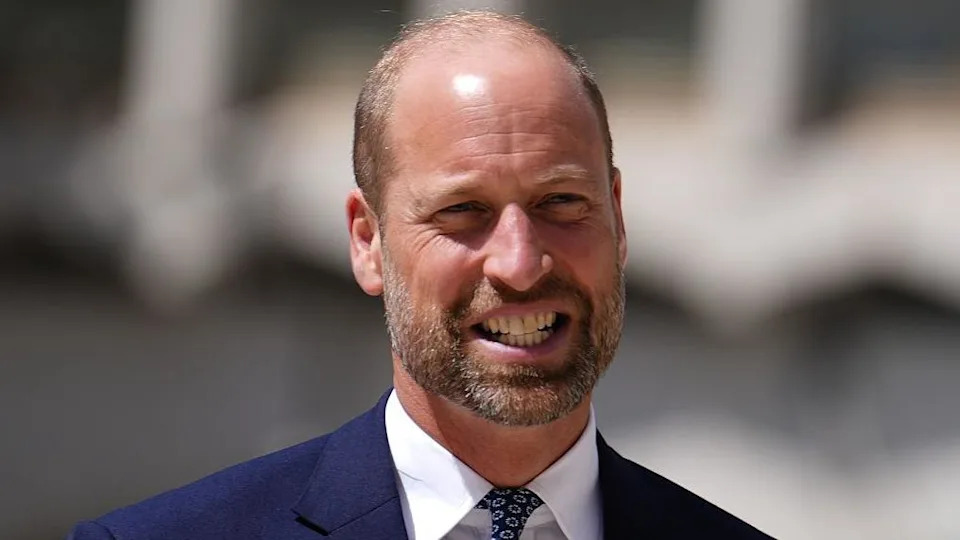
The Prince of Wales declared he paid £7.76m in income and capital gains tax between 2024-2025 [Getty Images]
Separately, Prince William has renounced the £1.5m annual rent that had been generated by the now-abandoned Dartmoor Prison site, requesting the income be removed from Duchy of Cornwall receipts and redirected to help the local Princetown community. Dartmoor has been unused since 2024 after elevated radon levels were discovered.
Public Funding — The Sovereign Grant
Under a revised formula, the Sovereign Grant — the main public funding for the Royal Household — will be set at £99.9m a year from 2027–28. The grant provides funding for core staff, household running costs, official receptions, maintenance of royal residences in England and travel for official engagements. Three years ago the grant’s benchmark was £51.8m; for the last decade the grant was higher than the core figure to cover major refurbishment of Buckingham Palace.
Royal Trustees — Prime Minister Sir Keir Starmer, Chancellor Rachel Reeves and the King’s Keeper of the Privy Purse and Treasurer James Chalmers — approved the higher figure to fund upkeep of historic buildings, improved cyber security at royal residences and a green transition, including £11m allocated to replace boilers at Windsor Castle. Chalmers stressed the grant is governed by public-sector standards and is "not a blank cheque," adding that it funds institutional work rather than private wealth.
Residency And Public Access
The King and Queen Camilla will remain at Clarence House rather than move into Buckingham Palace after renovations are complete. Officials said the decision will allow greater public access to Buckingham Palace, whose refurbishment — at a cost of just under £370m — is due to finish in March next year. If the monarch does not live at Buckingham Palace, it will be the first time since Queen Victoria that a sovereign has chosen not to reside there.
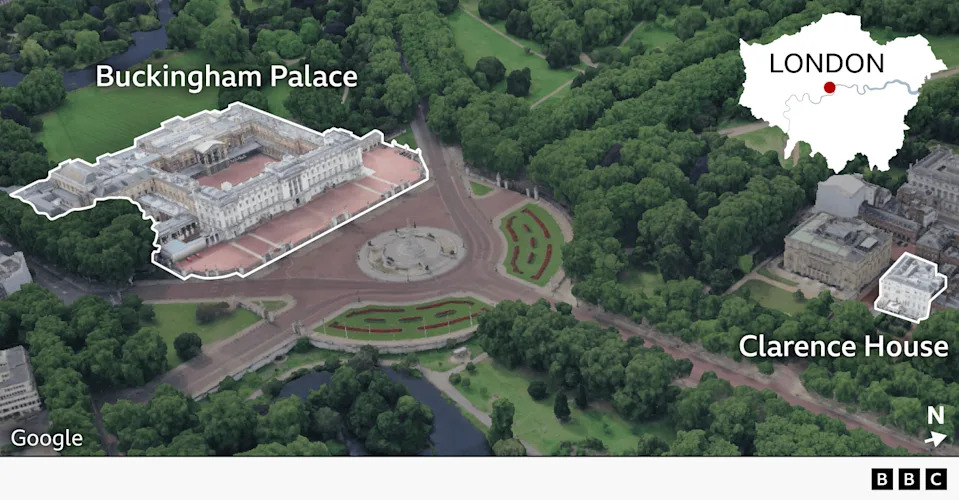
The King and Queen Camilla will continue to reside in Clarence House [BBC]
Operational Costs And Travel
The accounts list a number of travel and operational costs: Prince William’s three-day visit to Saudi Arabia in February cost just over £130,000, the King and Queen’s four-day state visit to Italy in April 2025 cost £126,946, and the King’s royal train journey to Lancaster in June 2025 cost £48,460. The royal train is scheduled to be taken out of service by 2027 to save money. Royal helicopter travel amounted to 177 journeys at a cost of £733,063.
Wider Financial Context
Operating profits at the Crown Estate — the independently run commercial business whose profits go to the Treasury — fell to £1.2bn in the year to March, down from £1.4bn, largely because one-off option fees linked to offshore wind projects declined as projects moved into construction. The Sovereign Grant is calculated as a percentage of Crown Estate profits, using the Crown Estate as a benchmark for Treasury payments.
Reactions
Historian Anna Whitelock said the King’s disclosure places him "front and centre as a very rich man" and framed the publication as a response to growing calls for accountability and transparency. Norman Baker, a former Liberal Democrat minister and critic of royal funding, argued visitor revenue from Buckingham Palace should go to the Treasury if the palace becomes fully open to the public and questioned the scale of royal incomes and costs.
The published accounts provide fresh detail on royal finances and public spending priorities while leaving some questions unanswered, notably the full breakdowns behind the published tax figures and the precise details of private investment income.
Help us improve.