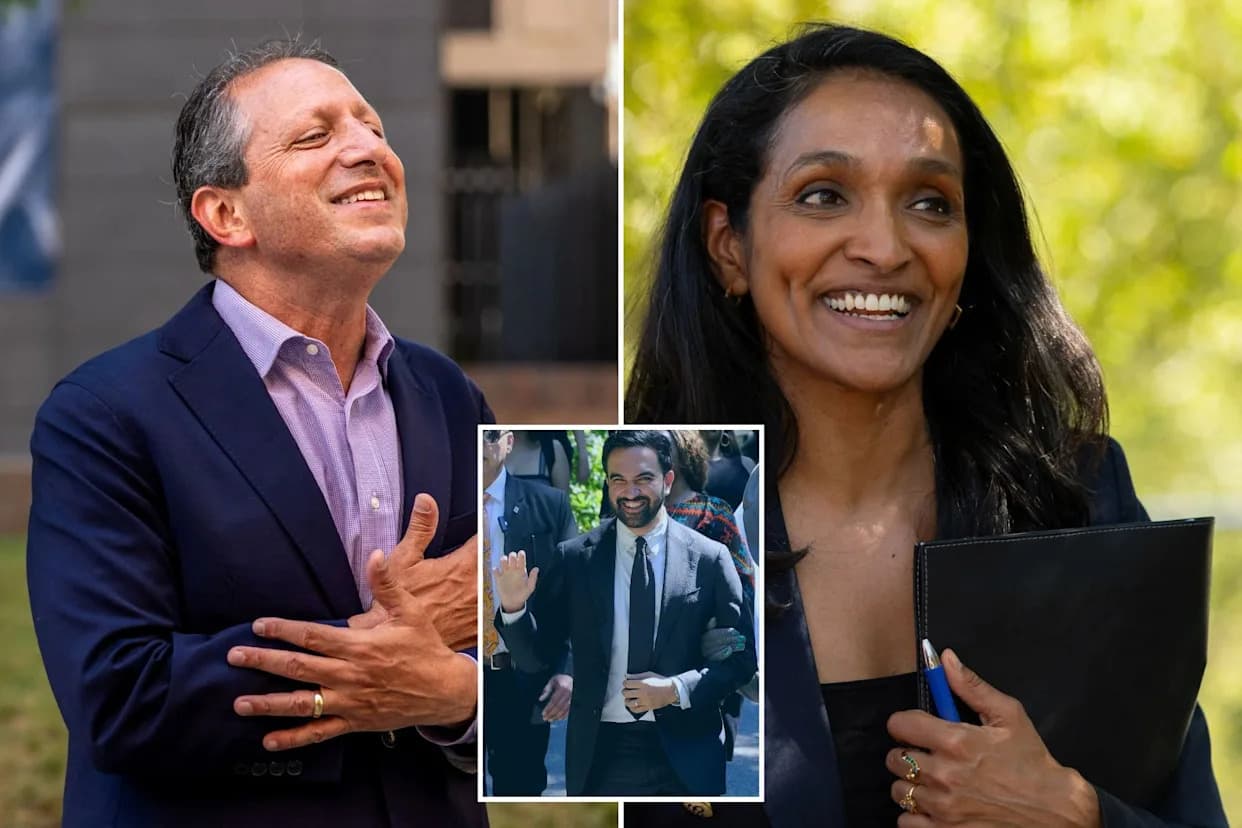
Supporters of self-described "democratic socialists" who won three congressional primaries in New York on explicitly anti‑Israel platforms have disputed charges that their campaigns were antisemitic. They point to Brad Lander — one of the victors, who is Jewish — as evidence that the campaigns cannot reflect hatred of Jews.
Why Many Jews Feel Threatened
Yet many Jewish Americans report feeling threatened. The context matters: the war began three years ago when Hamas fighters infiltrated Israel and killed roughly 1,200 people. Israel, with the region’s strongest military, did not initiate that conflict. Critics who frame Israel as the sole or primary aggressor invert the roles of victim and perpetrator in a way that alarms many observers.
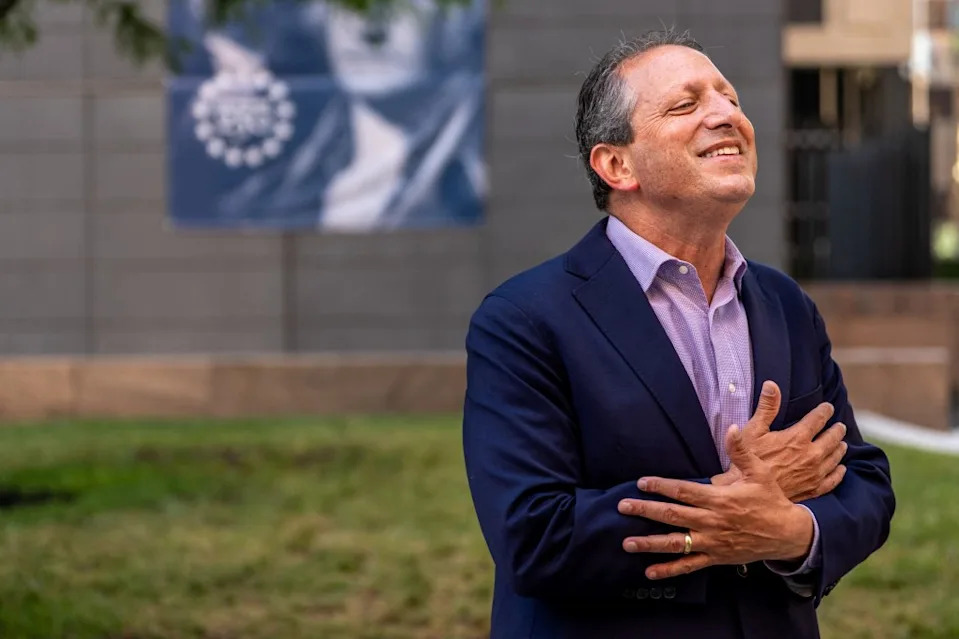
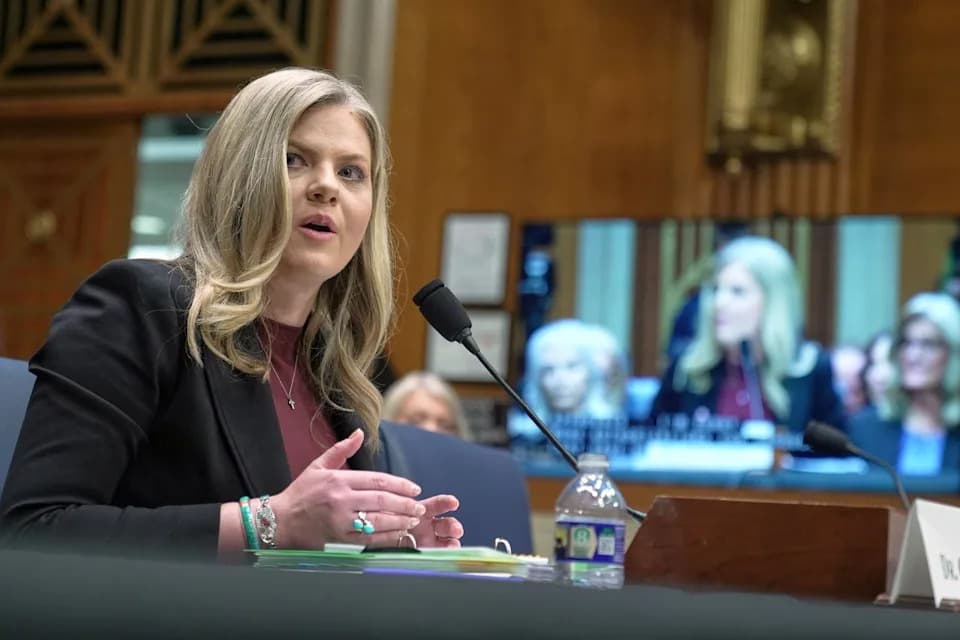
New York politician Brad Lander contributes to the incendiary climate by repeating the “genocide” claim against Israel. REUTERS
More worrisome, at least one victorious candidate was reported to have expressed support for Hamas. For some critics, the objection is not only to specific policies or military actions but to the continued existence of a Jewish state — an objective shared by Hamas, Hezbollah and Iran. That transforms political disagreement into a struggle over the right of a nation and its people to exist.
“Genocide”: A Loaded Accusation
Several candidates and activists have used the term "genocide" to describe Israel’s conduct. That word carries unique historical weight: it was coined to describe the Nazis’ attempt to annihilate European Jews. While Israel’s military tactics and some rhetoric by Israeli politicians are open to legitimate criticism, there is no evidence of an Israeli policy aimed at exterminating an entire people. Using "genocide" in this context confuses victim and aggressor and traffics in language that resonates deeply with Jewish history and suffering.
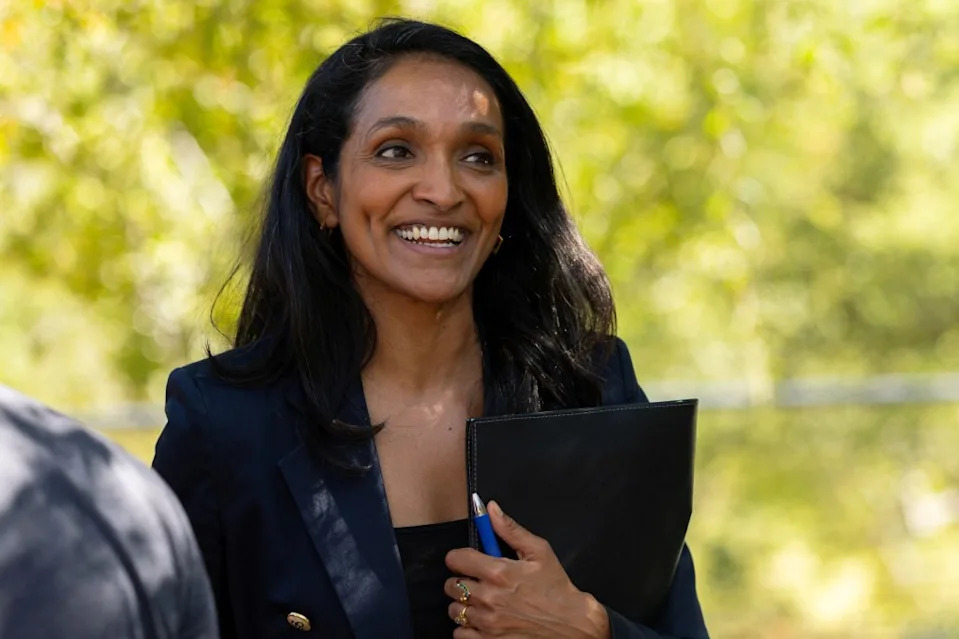
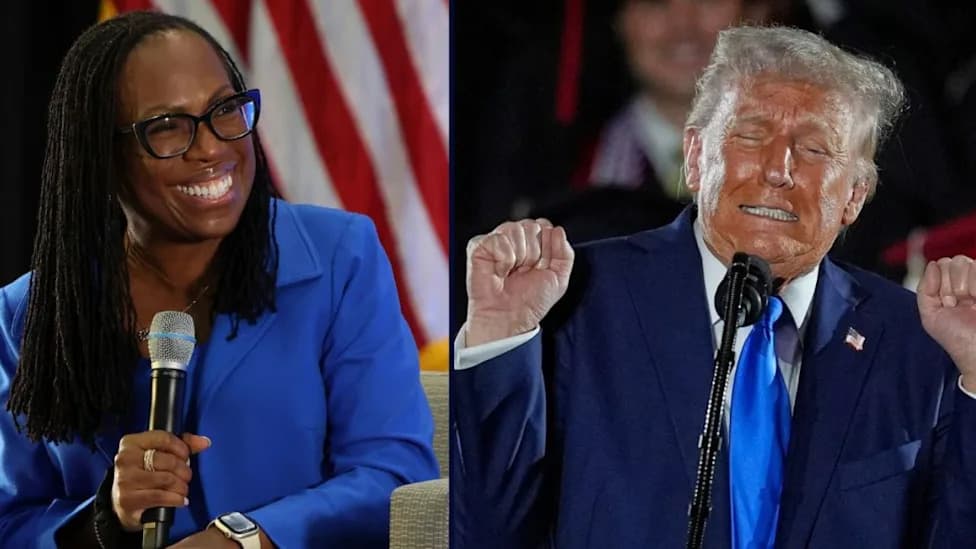
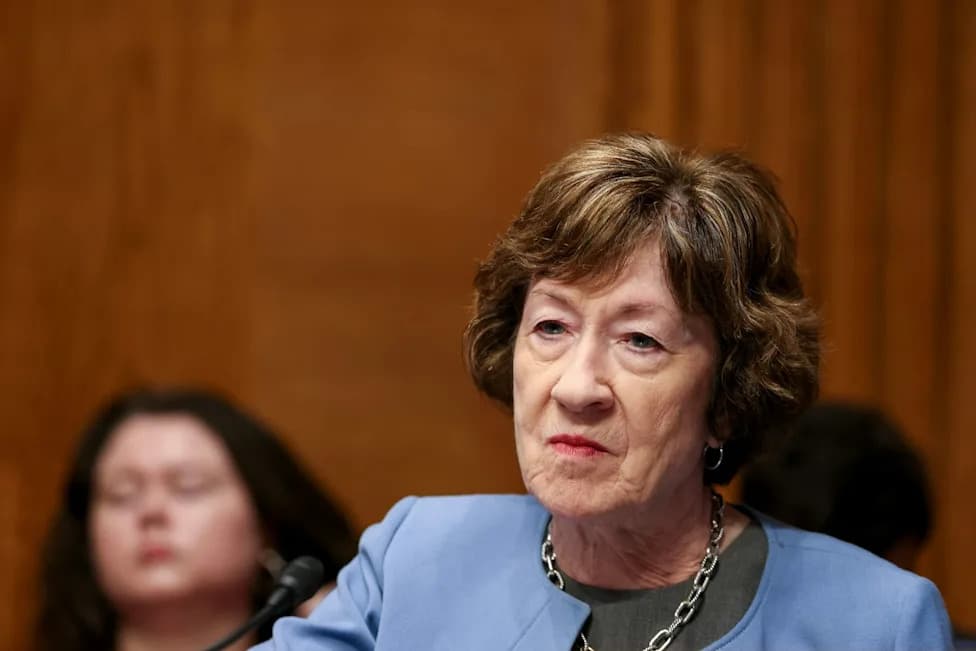
DSA LA mayoral candidate Nithya Raman has echoed the “genocide” rhetoric against Israel. REUTERS
As George Orwell observed about claims untethered to fact, some accusations "do not bear any relation to the facts, not even the relationship which is implied in an ordinary lie."
When Rhetoric Spurs Real-World Harm
Once public discourse labels Israel as genocidal, those who support Israel—even modestly—can be tarred by association. That dynamic helps explain several disturbing incidents: a Brooklyn café owner refused service to Jewish Representative Dan Goldman after he was defeated in a primary; synagogues, Jewish schools and Israeli‑owned cafés in Los Angeles have been the focus of protests and harassment; and individual Jewish patrons have reported confrontations in public places.
Political leaders’ language matters. Some candidates and influencers amplified incendiary rhetoric: one New York slate was endorsed by progressive figures such as Zohran Mamdani, who described AIPAC — a mainstream pro‑Israel lobbying group — as "monsters." California Democrat Scott Wiener initially resisted the "genocide" label but later changed course under left‑wing pressure; Los Angeles mayoral candidate Nithya Raman has also echoed similar rhetoric. Dehumanizing language like this is a hallmark of antisemitic hatred when it moves beyond policy critique.
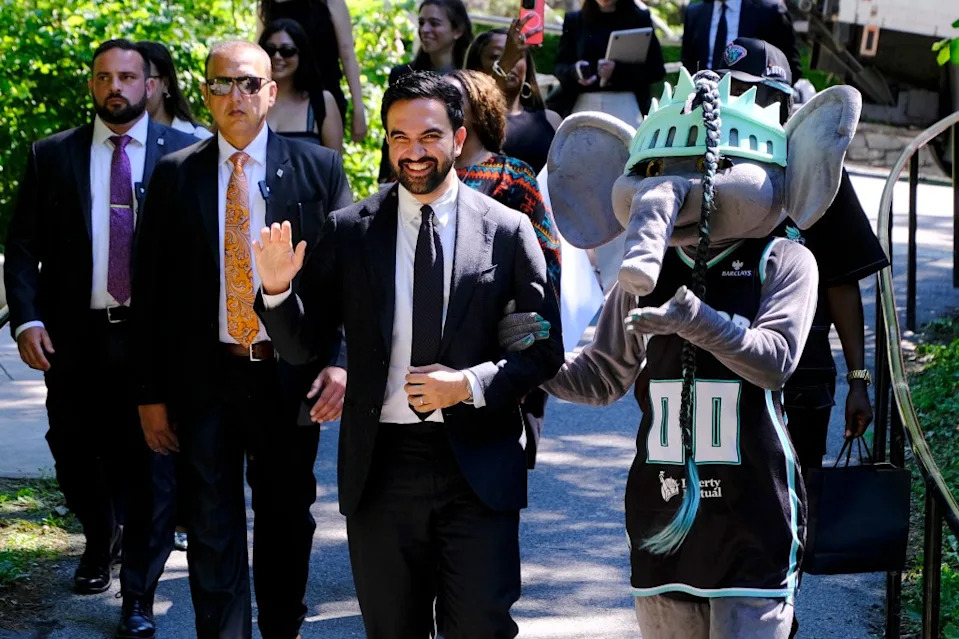
New York Mayor Zohran Mamdani has referred to AIPAC — a mainstream pro-Israel lobby — as “monsters.” MediaPunch / BACKGRID
A Personal Encounter
In April 2024 I briefly entered a pro‑Palestinian encampment at UCLA to film; though I wore press credentials and a baseball cap rather than a yarmulke, activists physically pushed me out. The episode was widely criticized as a violation of press freedom. While I was not singled out for being visibly Jewish, the encampment’s framing against the Jewish state and, increasingly, Jewish students created an environment in which civil liberties were imperiled for many.
UCLA delayed calling law enforcement until clashes involving vigilante groups from surrounding neighborhoods — some heavily Jewish — forced the university to request state and local police assistance. The episode illustrates how charged political rhetoric can spill into threats to public safety and rights on campus and beyond.
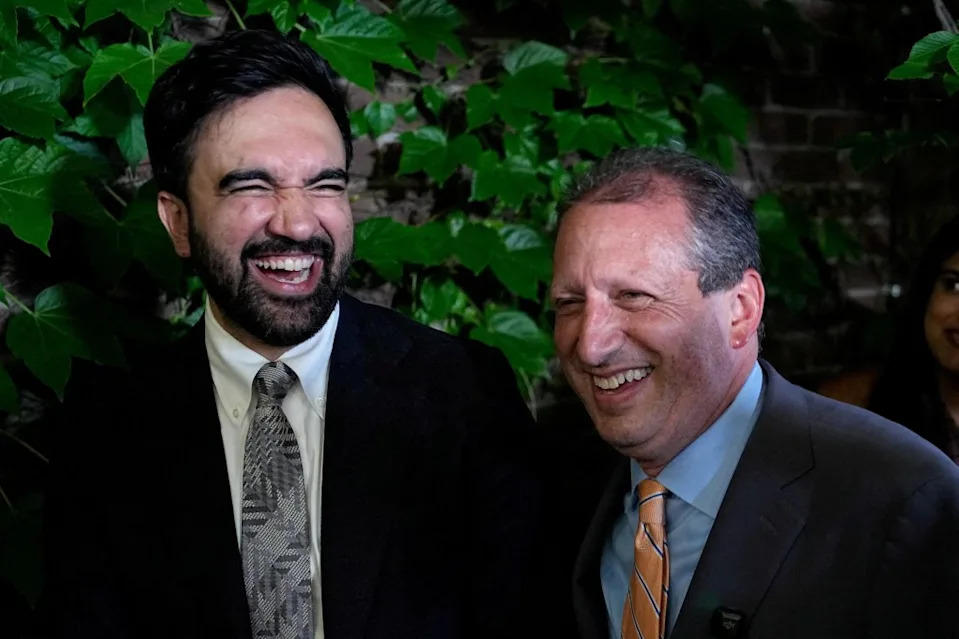
Lander, right, is a critic of Israel, but, they say, it’s absurd to think he hates Jews. REUTERS
What’s at Stake
Antisemitic incidents have risen in New York, Los Angeles and elsewhere, a trend that predates the recent primaries. As writer Bethany Mandel put it: "This kind of derangement is not simply a threat to Jews. ... It is a threat to the country’s ability to think clearly about its allies, its enemies, and its own interests." When the civil rights of a minority group are eroded, broader democratic protections are at risk.
The political moment calls for accountability. The author argues that voters and leaders should push back now — before more elections — against candidates and slates that traffic in dehumanizing rhetoric and that normalize scapegoating organizations or communities. Defending the right to criticize governments while rejecting dehumanization is essential to preserving both safety and democratic debate.
Joel Pollak is Opinion Editor of The California Post.