Vice President JD Vance has recast his personal story into a political brand that emphasizes white working-class roots and conservative faith. His books — Hillbilly Elegy and Communion — amplify that image while downplaying elite backing, including roughly $15 million from Peter Thiel. Critics argue Vance’s rhetoric masks policies that harm vulnerable Americans and channels racial resentment rather than promoting broad economic solidarity; a Verasight poll shows him leading GOP voters at 37%, though Donald Trump remains the decisive kingmaker.
How the White Working-Class Narrative Built JD Vance: Memoirs, Money, and MAGA Ambition
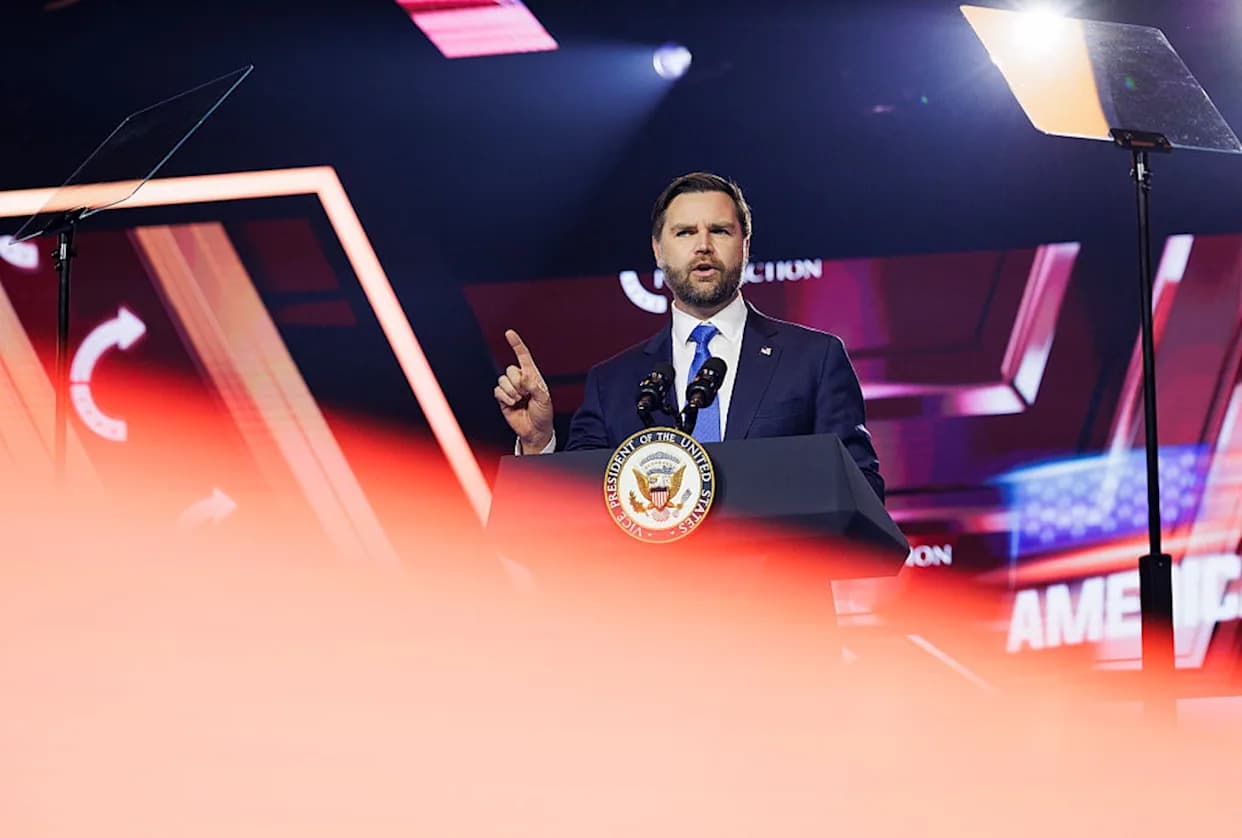
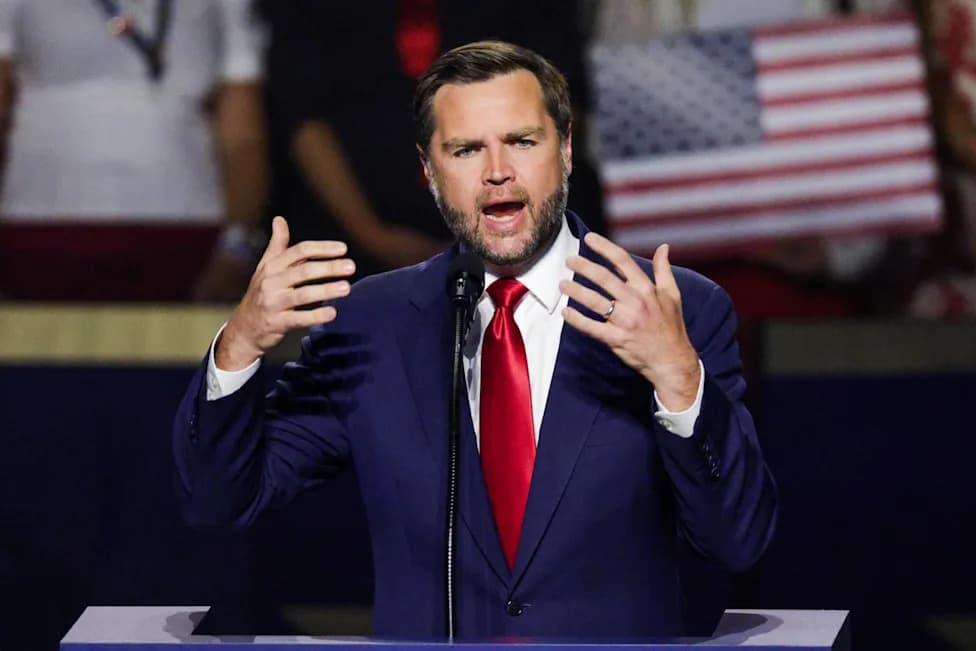
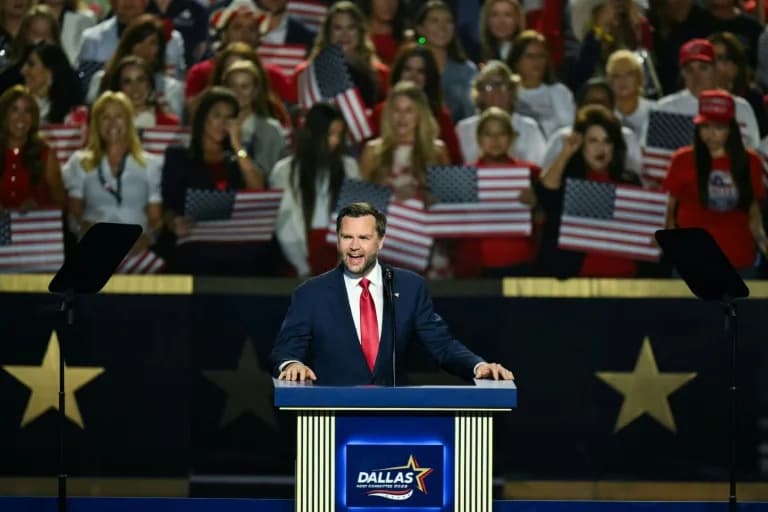
Vice President JD Vance Caylo Seals/Getty Images
Vice President JD Vance is actively shaping a national political identity built around a curated white working-class biography and a conservative faith. His memoirs and media tour have helped craft a branded persona that bolsters his standing within the Republican Party and positions him as a potential heir to Donald Trump.
Memoirs and the Making of a Brand
Vance rose to national prominence with Hillbilly Elegy, a memoir that chronicles his journey from poverty to Yale Law School and business success. The book sold millions of copies, was translated widely and was adapted into a Ron Howard film. While celebrated by some as a personal success story, the memoir was criticized for its stereotypical portrayals of Appalachia and for minimizing structural causes of poverty such as deindustrialization and the opioid crisis.
Elite Backing and a Polished Ascent
Subsequent events revealed that Vance’s rise was shaped as much by elite support as by individual effort. Venture capitalist Peter Thiel played an outsized role in mentoring Vance, funding his finance career and underwriting his ventures. Thiel was the largest donor to Vance’s 2022 Senate campaign, contributing roughly $15 million — a reminder that his narrative of self-made success omits the significant role of patronage and luck.
Both Communion and Hillbilly Elegy function more as political branding than candid memoirs, foregrounding a working-class persona while downplaying the networks and resources that aided Vance’s climb.
Performative Working-Class Politics
Across interviews, books and speeches, Vance repeatedly invokes his working-class origins. Yet critics argue this authenticity is largely performative: it serves as political cover for policies that often harm vulnerable Americans. Under the Trump administration and the broader GOP agenda, critics point to cuts in food and housing assistance, reduced healthcare funding, constrained access to higher education and attacks on programs that promote intergenerational mobility.
Racialized Appeals and Scapegoating
Vance’s rhetoric often taps into racial resentment and nativist fears. He has amplified conspiracy-laden claims about Black Haitian migrants and Somali communities — narratives that scholars and commentators say scapegoat immigrants and people of color and redirect economic grievances toward marginalized groups. Research has shown that racial resentment and nativism — not only economic anxiety — are major drivers of support for Trumpism.
What 'Working Class' Really Means
Political discourse frequently treats “working class” as race- and gender-neutral, but in practice the label is often coded to mean white, conservative men. In reality, tens of millions of working-class Americans are Black and brown, and roughly 46% of the U.S. working class are women. As a group, many working-class Americans support pro-union policies, expanded safety nets, infrastructure investment and progressive tax policies to create a fairer economy.
Perceptions From the Ground
Sociologist Arlie Hochschild’s fieldwork in Appalachia found limited enthusiasm for Vance’s Hillbilly Elegy persona. Some Trump voters described him as a liability, in part because his book stresses cultural criticism of hillbilly communities rather than offering structural remedies. Hochschild also highlighted Vance’s harsh rhetoric toward women, noting comments such as his warning about women who do not have children becoming "childless cat ladies," while failing to propose public investments in drug recovery, job retraining or other services.
Where Vance Stands Politically
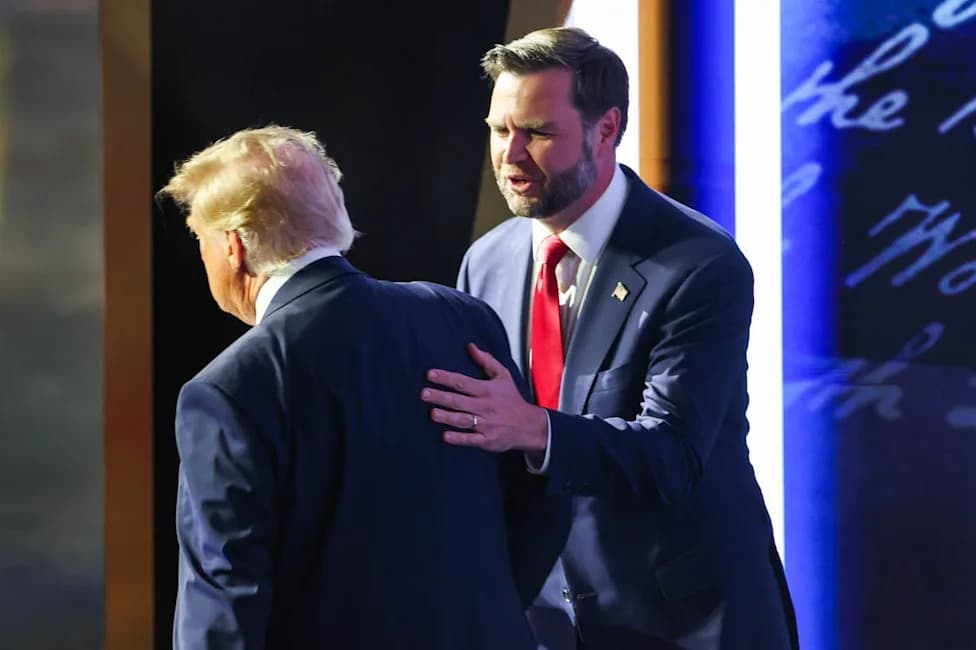
Polling from Verasight places Vance ahead of other potential GOP contenders, with about 37% support among Republican and right-leaning voters — a lead likely aided by his national profile as vice president and the continued resonance of Hillbilly Elegy. Still, Donald Trump remains the party’s kingmaker, and Vance’s path to the GOP nomination and the presidency would depend heavily on Trump’s backing and his ability to satisfy MAGA voters’ appetite for both authenticity and political ferocity.
Conclusion
JD Vance combines an intelligent personal narrative with a polished political brand and powerful backers. But his appeal rests on a form of working-class authenticity that critics say masks elite support and channels grievances into racialized politics rather than cross-racial economic solidarity. Whether Vance becomes Trump’s successor or a historical footnote will depend on his ability to reconcile respectability with the aggressive style the MAGA base prizes — and on whether voters see through the myth and demand policies that actually advance broad-based working-class interests.
Help us improve.