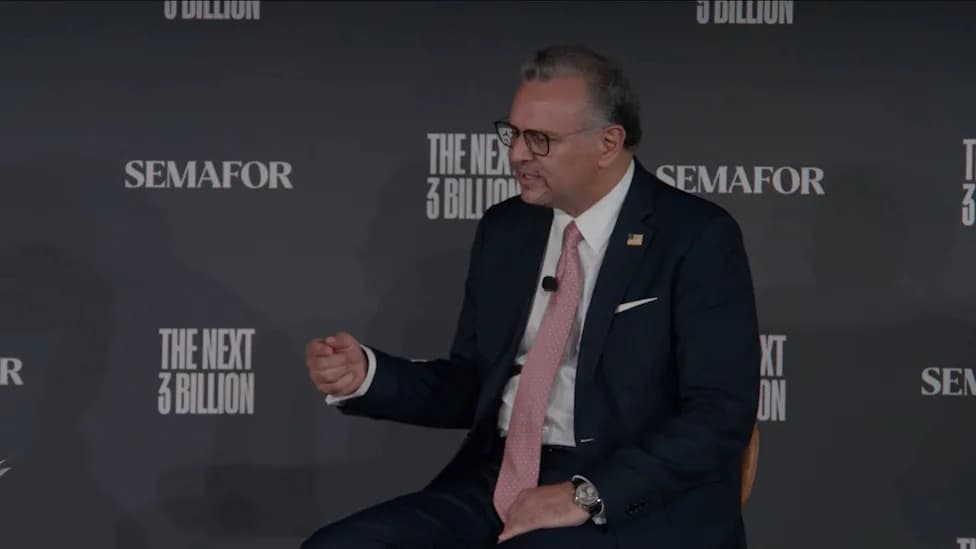
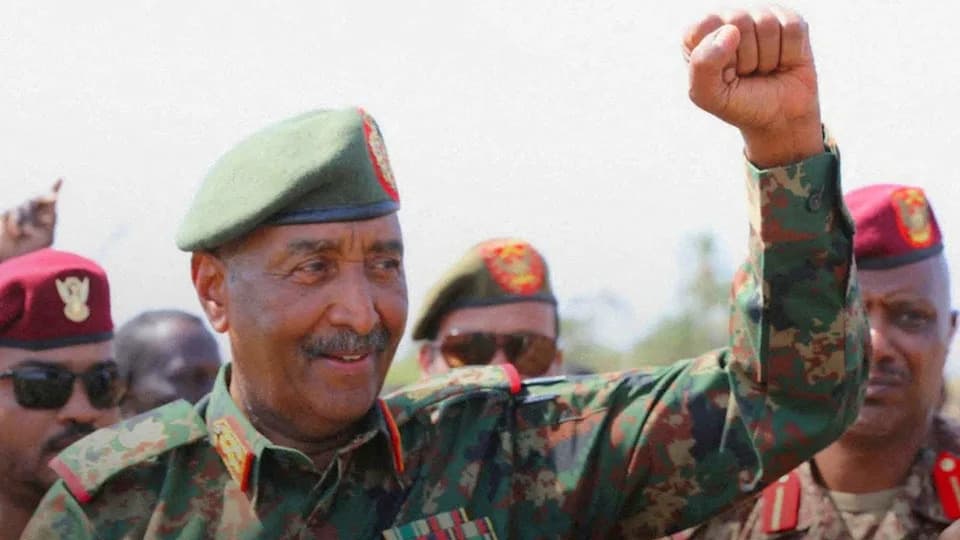
The US, led by adviser Massad Boulos, has proposed unifying Libya’s executive institutions and encouraging American oil investment, gaining support in the east and a symbolic endorsement from Abdul Hakim Belhaj in Tripoli. Critics warn leaked elements could entrench elite power-sharing and name figures tied in UN allegations to illicit oil activities. Regional diplomacy and intelligence visits — including talks in Cairo and trips to Tripoli and Benghazi — underscore an international push to shape outcomes. The GNU has not yet issued a formal response and is weighing its options.
US Push To Unite Libya’s Executive Tests Tripoli Factions, Sparks Regional Diplomatic Push
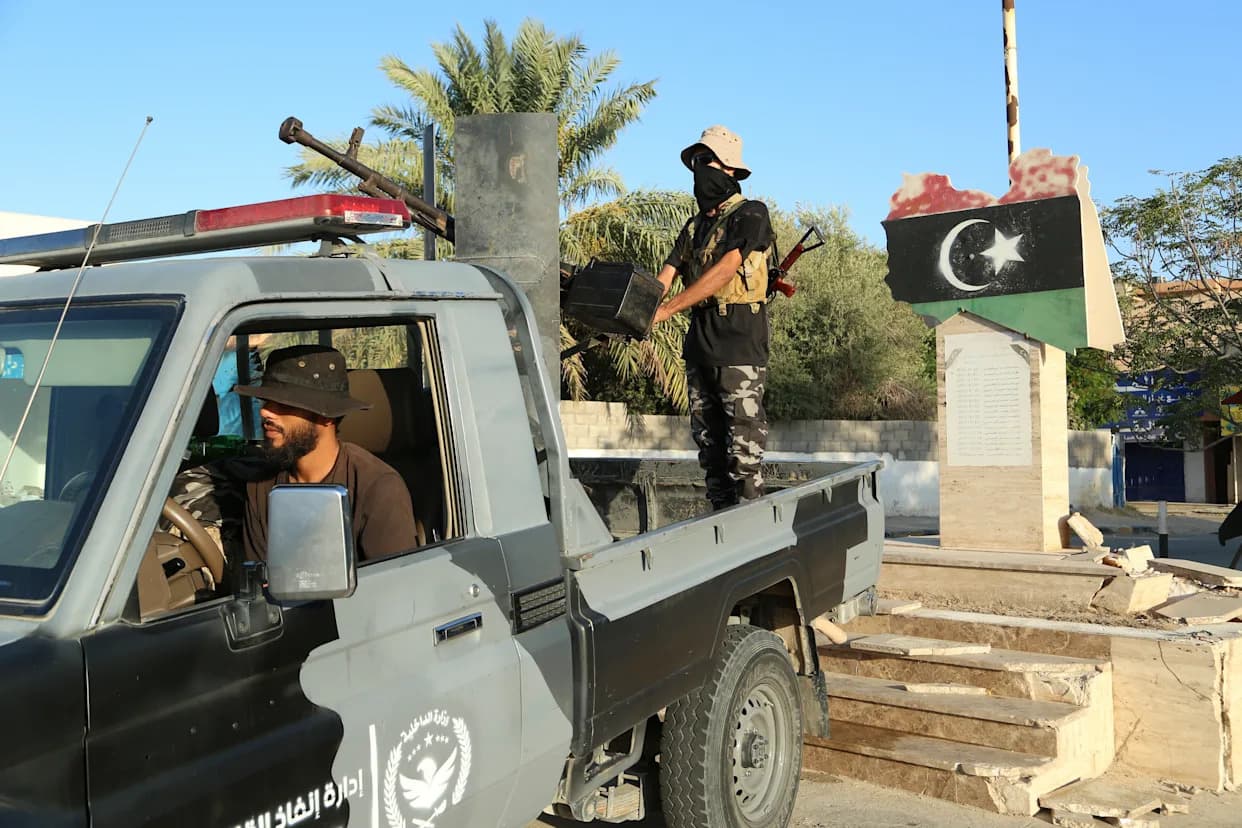
Libyan security forces stand guard in Tripoli, Libya, on Tuesday, August 16, 2023, after clashes between rival armed groups in Libya's capital killed dozens of people and trapped residents in their homes, medical authorities said [Yousef Murad/AP]
Tripoli, Libya — A new US-backed effort to end Libya’s institutional divide and form a unified executive has rekindled debate across the country, gaining strength in the east and putting fresh pressure on political actors in the west.
Massad Boulos, the US presidential adviser for Middle Eastern and African affairs, is leading the initiative. The proposal emphasizes creating a single, unified government, integrating state institutions and encouraging American investment in Libya’s oil sector. Boulos has framed the plan as complementary to United Nations-led diplomacy, but it has provoked sharp discussion about whether Washington can bridge Libya’s entrenched divisions or will merely add another short-lived settlement to a long list.
Significant Endorsements — And Swift Pushback
On June 21, Abdul Hakim Belhaj — former commander of the Tripoli Military Council and leader of the al-Watan Party — publicly endorsed the US proposal and urged the Tripoli-based Government of National Unity (GNU) to state its position. Belhaj called the plan an “opportunity to accelerate reaching political solutions” and argued any agreement should focus on what is “possible and acceptable” rather than an ideal that may be unattainable.
Weeks earlier, eastern-aligned forces linked to military commander Khalifa Haftar and more than 100 members of the eastern-based House of Representatives (HoR) had signalled support for the American initiative, strengthening its backing in the east.
Questions Over The Depth Of Support
Support remains contested. Mohammed al-Maazab of the High Council of State (HCS) said some HoR members privately told him their names were added to the list of supporters without consent. He dismissed Belhaj’s endorsement as an attempt to portray himself as a potential stakeholder in future arrangements, saying it would not substantially change the balance of power.
“This plan risks becoming a power-sharing deal that entrenches elites rather than opens a path to democratic transition,” said several Libyan analysts speaking on record and on background.
Allegations, Leaks And Fears
Critics point to leaked details suggesting the plan may be built around specific individuals. Political analyst Abdulsalam al-Rajhi described the proposal as “closer to a deal than an initiative,” arguing Boulos is pursuing a rapid geopolitical win. Reported leaks claim the blueprint envisages Saddam Haftar — son of Khalifa Haftar — as head of a new Presidential Council, and Ibrahim Dbeibah — described in some reports as related to current GNU Prime Minister Abdul Hamid Dbeibah — as prime minister. Both names have reportedly appeared in a recent UN Panel of Experts report that alleged involvement in illicit oil smuggling and financial misappropriation.
Supporters counter that pragmatic compromise is necessary. Tripoli-based analyst Senussi Ismail said the deadlock compels risk-taking, but insisted any US plan must be merged with the UN roadmap and bound by strict, enforceable timelines that lead to presidential and legislative elections.
Former US diplomat William Lawrence argued the initiative’s most practical entry point is economic: unifying Libya’s financial and energy institutions could create incentives for stability, he said, while acknowledging there is no obvious alternative plan at present.
Regional Engagement And Intelligence Activity
Diplomatic activity has intensified. Foreign ministers from Egypt, Saudi Arabia and Turkiye met with Boulos in Cairo, and Pakistan helped launch an “R-4” regional mechanism (Pakistan, Egypt, Saudi Arabia, Turkiye) to support regional stability. Parallel intelligence-level visits have included Egyptian intelligence chief Hassan Rashad travelling to Tripoli to meet Prime Minister Abdul Hamid Dbeibah, and Turkish intelligence chief Ibrahim Kalin visiting Benghazi to confer with Saddam Haftar.
National security researcher Faisal Bwalraiga told Al Jazeera these moves reflect an international push to shape conditions conducive to a new political arrangement, while acknowledging Libya could instead see a rearrangement of power among rival actors.
Where The GNU Stands
For now the GNU has not issued a formal position. Political analyst Elias al-Barouni suggested the government is deliberately cautious — preserving space to manoeuvre, avoiding deep splits with Western-aligned actors, and waiting for Washington’s final stance to crystallize.
Bottom Line: The US initiative has opened a new chapter in Libya’s fractious politics — one that combines regional diplomacy, intelligence engagement and domestic endorsements with serious questions about transparency, accountability and democratic safeguards. The outcome will depend on whether the proposal is merged with UN processes, constrained by firm timelines and accepted by a broad cross-section of Libyan stakeholders.
Help us improve.