The Department of Education's proposal to move special education oversight to HHS and civil-rights enforcement to DOJ has alarmed parents, advocates and educators. They warn the split could fragment services and complicate discipline and eligibility decisions that currently require coordinated legal and educational responses. Supporters say DOJ could bring stronger enforcement, but experts question the department's capacity and worry the shift may make enforcement more adversarial and less timely.
Experts Warn Splitting Special Education From Civil-Rights Enforcement Could Harm Students With Disabilities

Lucia Frohling, a special education advocate in Oklahoma, handles roughly 40 cases a year in which schools reduce class time for students with disabilities — often citing behavior issues or complex medical needs. When she negotiates with districts, she frequently points to a 2022 federal guidance warning that so-called "informal removals" — like repeatedly asking a parent to pick up a child early — can violate students' legal rights.
Why Advocates Are Alarmed
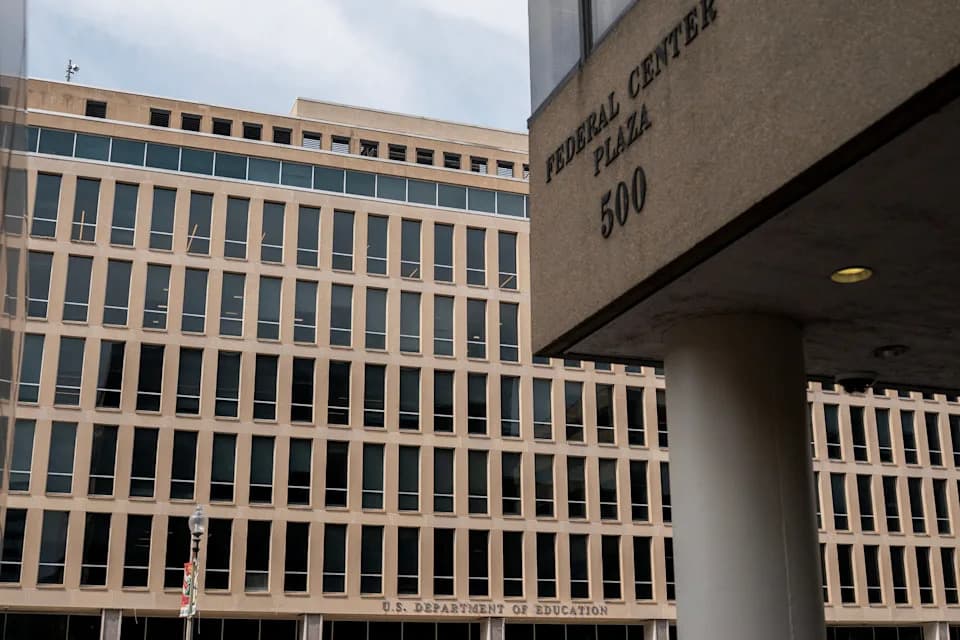
Last week, Education Secretary Linda McMahon announced plans to move the Office of Special Education and Rehabilitative Services (OSERS) to the Department of Health and Human Services (HHS) and to transfer the Office for Civil Rights (OCR) to the Department of Justice (DOJ). Educators, attorneys and parents warn that separating oversight could create confusing overlaps and weaken protections for students with disabilities.
“They’re denying them access to education,” said Frohling, noting that most families cannot afford attorneys or protracted litigation.
Coordination Versus Fragmentation
Proponents of the reorganization argue it could break bureaucratic barriers, increase accountability and bring stronger enforcement. Secretary McMahon said OSERS and OCR would continue to partner together, and some parents — like Marilyn Muller, whose daughter has dyslexia — say DOJ has "sharper teeth" and could push districts to comply.
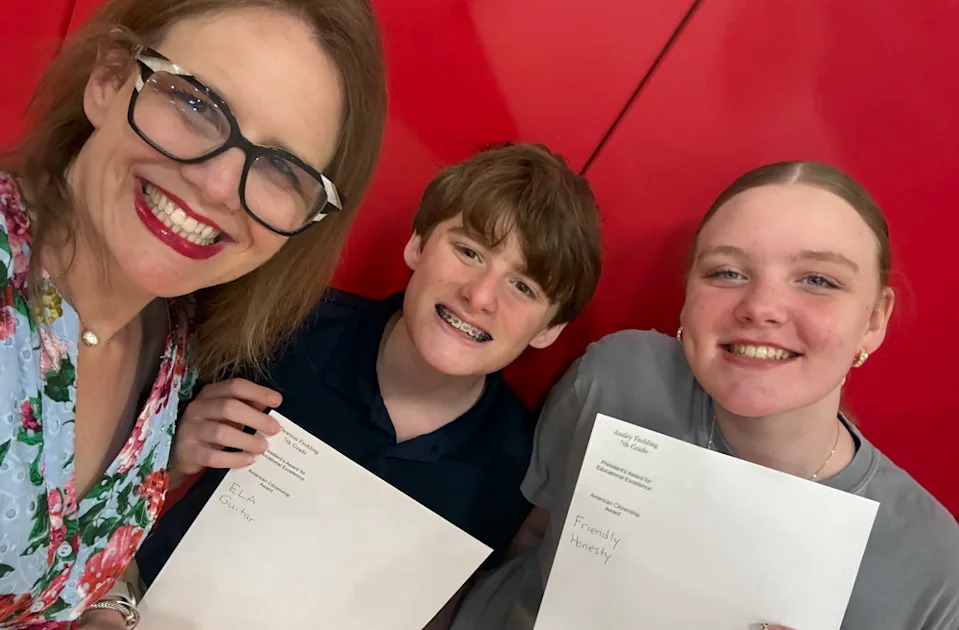
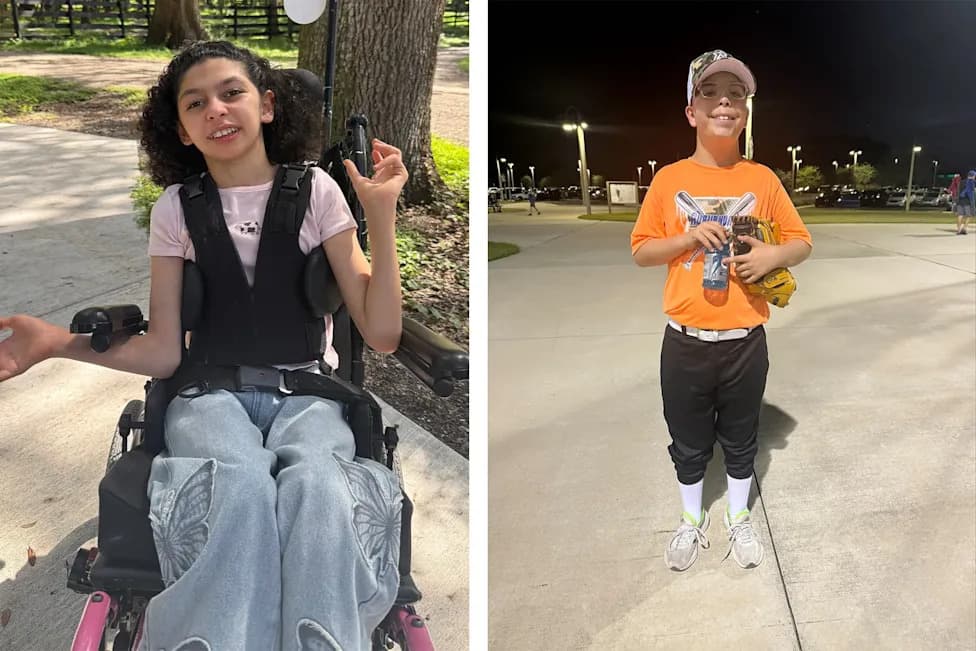
Lucia Frohling, left, is a special education advocate in Oklahoma and the mom of three children. Two of them, Dawson, center, and Ansley, have learning disabilities. (Courtesy of Lucia Frohling)
But critics say the two offices are deeply intertwined in practice. Special education decisions often involve both individualized supports and civil-rights protections; splitting them could force districts to navigate different rules, slowing responses and fracturing case management. Jessica Saum, a special education administrator in Arkansas, warned that separating agencies would make it harder to manage a student's behavior and rights in an integrated way.
Evidence And Concerns About Capacity
Support for close coordination is grounded in past collaboration: OSERS and OCR issued joint guidance in 2016 clarifying that students with ADHD may be eligible for services under the Individuals with Disabilities Education Act (IDEA) or Section 504. Federal guidance in 2022 highlighted how informal discipline can deny access to education.
At the same time, oversight metrics raise questions. OCR reported receiving 22,687 complaints in fiscal 2024, including more than 8,400 alleging disability-based discrimination. A January Government Accountability Office (GAO) report found that OCR dismissed 90% of roughly 7,000 cases it said it resolved between March and September of one recent year. OCR has continued some high-profile probes — including investigations into New Home Independent School District (TX) for canceling a life-skills class and into Houston ISD for plans to centralize disability services — but critics say transparency and case resolution have declined amid staff losses.
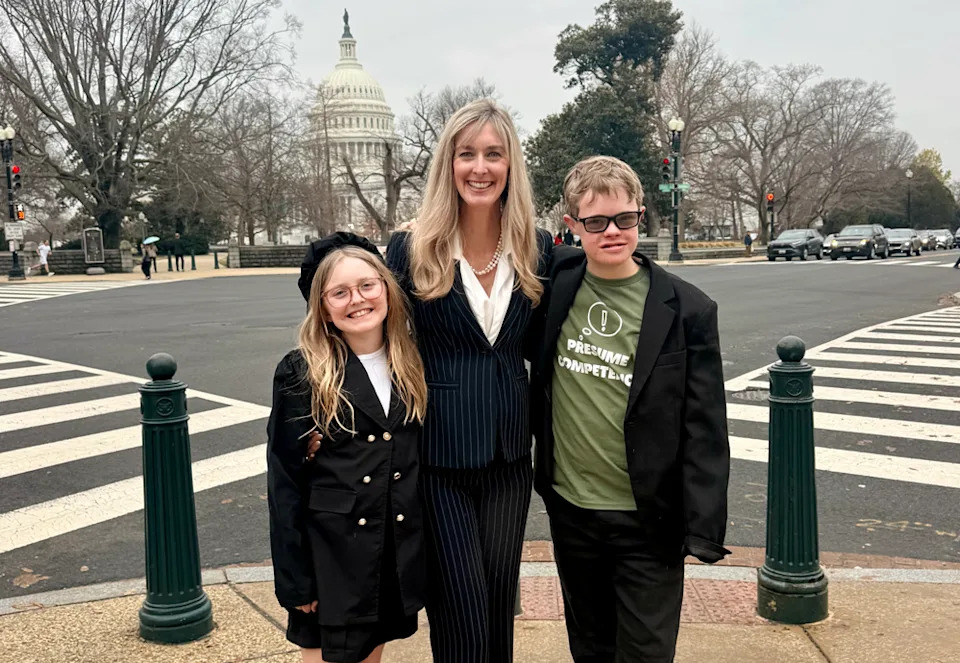
Courtney Hansen and her two children, Cora and Troy, met with members of Congress in March to advocate for students with disabilities. (Courtesy of Courtney Hansen)
Legal experts caution that DOJ historically handles far fewer education civil-rights cases and may lack the infrastructure to absorb OCR’s caseload without delays. Matt Cohen, a civil-rights attorney in Chicago, said data already show a drop in the number of disability complaints OCR is taking and resolving, and he expects coordination, consistency and collaboration to become more difficult if responsibilities are split.
Parents And Practitioners Speak Out
Many parents voiced opposition during a January "listening session" with department staff. Courtney Hansen, a Colorado mother of a child with Down syndrome, opposed a medical framing of disability oversight: "I don't want my son to be fixed. I want him to be educated," she said. Others, like Rob Harris from Colorado, say they sought OCR help repeatedly without resolution and ultimately moved to homeschool while mediating special education planning in their communities.
Senator Bill Cassidy (R-LA), who chairs the Senate education committee, has pledged a vote next month to block the move of special education to HHS and has suggested the Department of Labor as an alternate home. The debate underscores competing priorities: whether enforcement should be more medical, more legal, or remain integrated within education policy.
What’s At Stake
At stake are students' day-to-day access to learning, the ability of schools to respond quickly to behavioral and instructional needs, and families' ability to obtain timely remedies. Advocates urge policymakers to preserve seamless coordination between special education services and civil-rights enforcement, or to put in place clear, well-resourced transition plans if any reorganization proceeds.
Bottom line: The proposed transfer has stirred bipartisan scrutiny and real concern among parents and practitioners that splitting oversight could fragment services, reduce transparency and make enforcement slower and more adversarial — outcomes that would directly affect students with disabilities.
Help us improve.