Anthropic has accused Alibaba of carrying out an industrial-scale campaign that performed almost 29 million exchanges with its Claude model using thousands of fraudulent accounts. The company says these "distillation attacks" harvest outputs from a stronger model to train weaker ones, extracting advanced reasoning and long-form capabilities. Anthropic urged US lawmakers to penalise firms behind such campaigns and warned of national-security implications while Alibaba denies the claims and has sued to be removed from the Pentagon blacklist.
Anthropic Alleges Alibaba Illicitly Extracted Claude's Capabilities in 29 Million-Exchange Campaign

Anthropic CEO Dario Amodei [Bloomberg via Getty Images]
San Francisco–based AI developer Anthropic has accused Chinese e-commerce and technology giant Alibaba of conducting what it calls the largest known campaign to illicitly extract capabilities from its Claude model.
In a letter dated 10 June to US Senators Tim Scott and Elizabeth Warren, Anthropic said operators tied to Alibaba executed nearly 29 million exchanges with Claude using thousands of fraudulent accounts. The company described these interactions as part of an industrial-scale effort to harvest outputs from its most capable model and use them to train weaker systems.
What Anthropic calls “distillation attacks” involve querying a stronger model to collect answers and then using those outputs to teach a less capable model to replicate the stronger model’s behavior. According to Anthropic, the alleged campaign targeted Claude’s most valuable strengths, including long-form reasoning and decision-making strategies.
“Distillation attacks turn hundreds of billions of dollars in American investment and research and development into a massive subsidy for our geopolitical competitors,” Anthropic wrote in the letter.
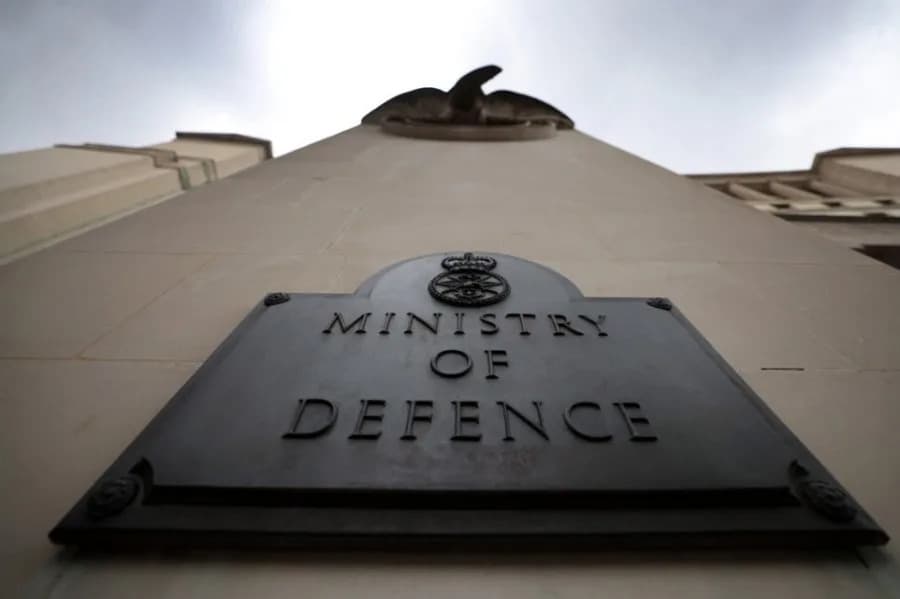
The letter also referenced Department of Defense claims that tie Alibaba and other major Chinese firms — including automaker BYD and tech company Baidu — to China’s military. Those companies have denied the allegations. This week, Alibaba filed suit against the US government seeking removal from the Pentagon’s blacklist.
Anthropic urged Congress to consider penalties for firms involved in or enabling such campaigns and to strengthen protections that prevent US-developed AI capabilities from being harvested and repackaged. The company also flagged potential national-security risks, saying some of the alleged activity could pose threats to the US military.
Other US developers have previously accused Chinese rivals of using similar techniques to train competing models at much lower cost, and OpenAI has made comparable allegations in the past. Anthropic is positioning itself for a high-profile public listing alongside OpenAI, while some of its more advanced models — notably Mythos — have sparked cybersecurity concerns due to their capacity to identify system vulnerabilities.
The BBC has contacted Alibaba for comment and requested further details from Anthropic.
Help us improve.