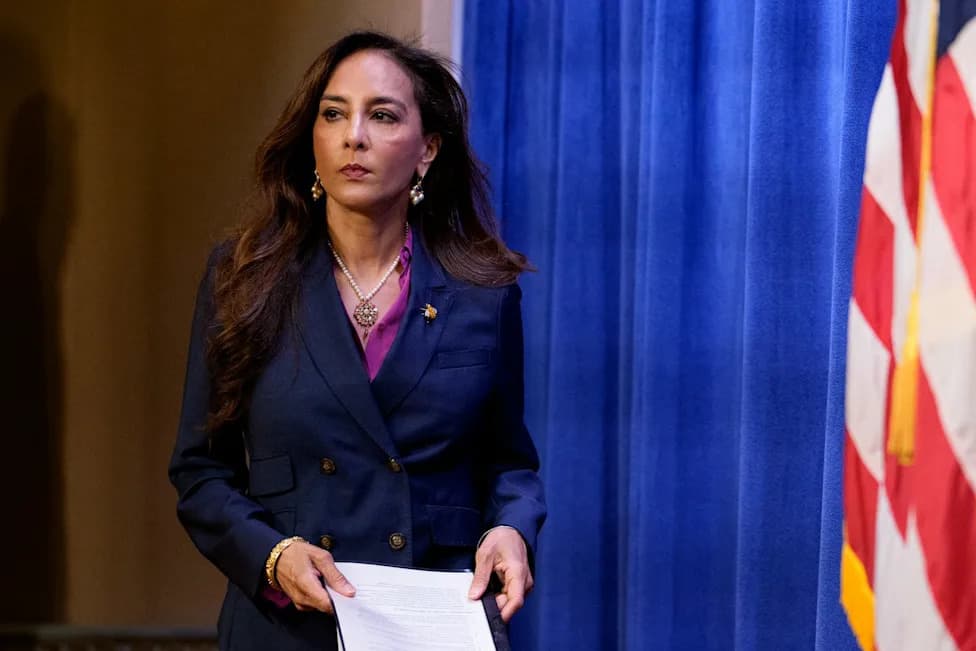
Iván Cepeda conceded after preliminary returns showed Abelardo de la Espriella, a Trump-endorsed former lawyer nicknamed "the Tiger," leading by about 250,000 votes. De la Espriella promises a hard-line security agenda—mega-prisons, large spending cuts and closer U.S. military cooperation—reversing Gustavo Petro’s "Total Peace" approach. Colombia faces urgent challenges: criminal groups expanded after the FARC demobilization, recruitment surged, and land-mine casualties have risen roughly 20%, complicating any bid to restore lasting peace.
Colombia Bets on 'The Tiger': Trump-Endorsed Abelardo de la Espriella Poised to Lead
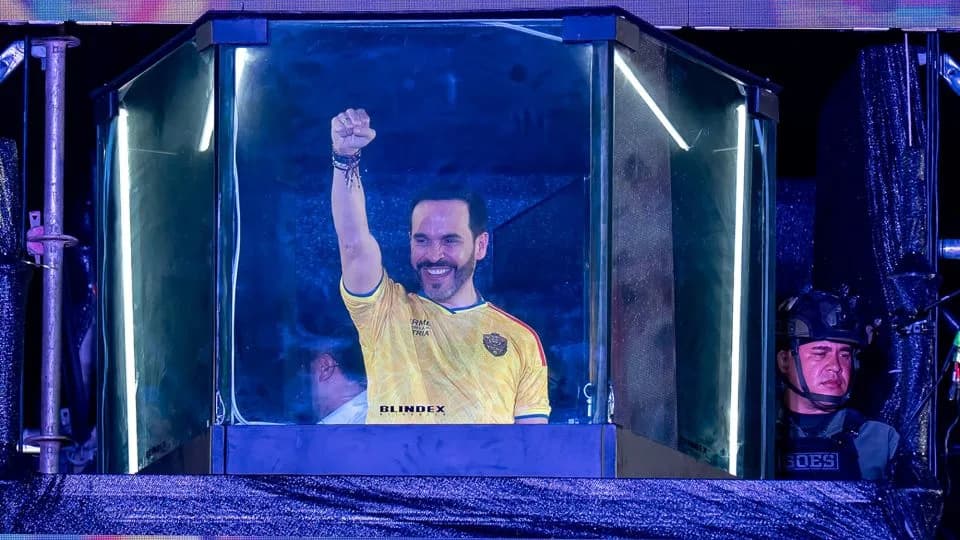
Abelardo de la Espriella in Barranquilla, Colombia, on Sunday, June 21. - Leonardo Castaneda/Getty Images
Leftist lawmaker Iván Cepeda conceded Wednesday to right-wing candidate Abelardo de la Espriella after preliminary returns showed the Trump-endorsed contender leading by roughly 250,000 votes. Cepeda said he accepted the outcome "to contribute to coexistence, peace and dialogue," while reserving the right to raise concerns about campaign irregularities and alleged foreign interference.
Election Outcome and Reactions
The national electoral authority, the Registraduría, posted a preliminary tally with de la Espriella ahead. The 47-year-old former criminal defense lawyer—who styles himself "the Tiger"—received a public endorsement from former U.S. President Donald Trump, who celebrated the result on social media. De la Espriella is due to be sworn in on Aug. 7.
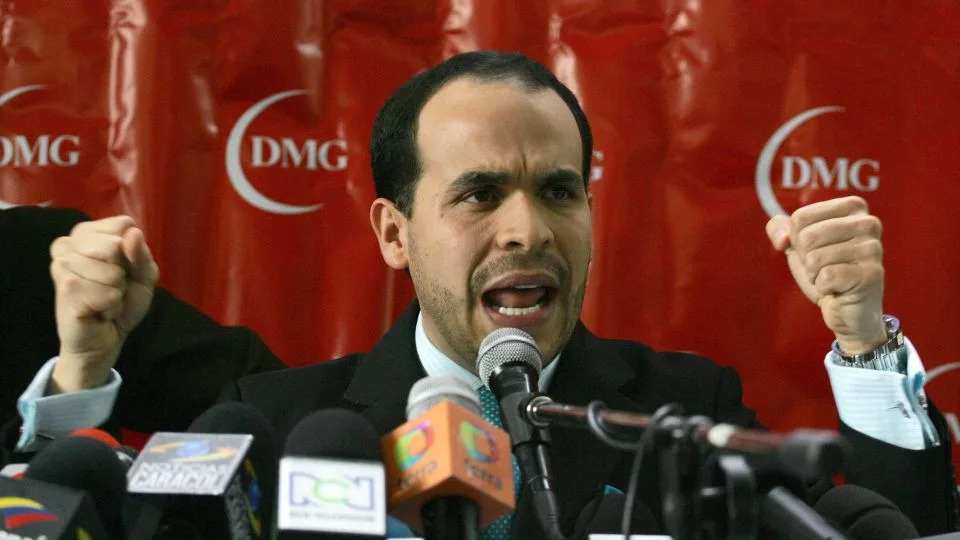
Abelardo de la Espriella, lawyer of the financial company DMG, speaks during a news conference in Bogota, on November 18, 2008. - William Fernando Martinez/AP
Campaign, Endorsements and Background
De la Espriella built momentum with a populist, hard-line law-and-order message. Backers include a constellation of right-wing leaders across the Americas and Europe. Before entering politics, he represented high-profile and controversial clients, including defendants in a 2012 prostitution scandal involving U.S. Secret Service agents and Alex Saab, an alleged Maduro associate recently extradited to the U.S. He has said in the past that "ethics has nothing to do with law," a remark that has drawn scrutiny.
Policy Agenda: Tough on Crime
On the campaign trail de la Espriella promised rapid fixes to Colombia's security crisis: mega-prisons, steep public spending cuts, and closer military cooperation with the United States. He pledges to end President Gustavo Petro's "Total Peace" negotiations with insurgents in favor of a more forceful offensive against criminal groups, evoking talk of a "Plan Colombia 2.0." His running mate, former Finance Minister José Manuel Restrepo, suggests an attempt to attract conservative establishment support.
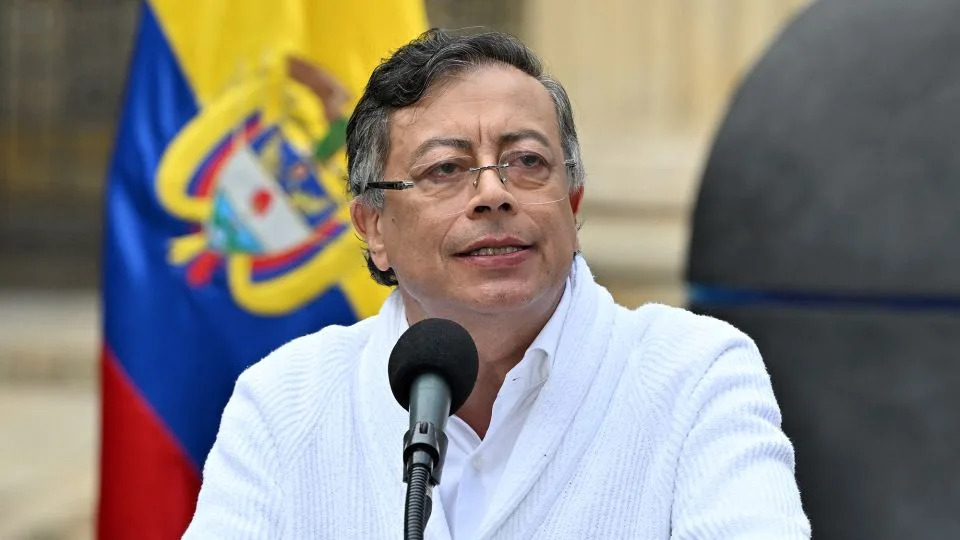
Colombian President Gustavo Petro speaks after casting his vote during the presidential election in Bogota on May 31. - Luis Acosta/AFP/Getty Images
Challenges Ahead
Colombia faces entrenched security problems that will test any new administration. After the 2016 FARC demobilization, criminal networks expanded into former guerrilla areas; Bogotá-based think tank Ideas for Peace estimates those groups recruited roughly 5,000 people last year. Government figures show injuries and fatalities from land mines—once a FARC hallmark—have risen about 20% in recent years. Retired Col. Luis Villamarín warns that demining gains are being reversed in months.
Political and Legal Constraints
Institutionally, de la Espriella's "Defenders of the Homeland" movement holds no seats in either chamber of Congress. To pass legislation he will need to negotiate with traditional right-wing parties that opposed President Petro. His multiple citizenships (Colombian, U.S., and Italian passports) have raised questions among critics about potential conflicts of interest or symbolic questions about national allegiance; de la Espriella has defended his U.S. passport as a security safeguard.
Outlook
Analysts say the incoming president's promise of a tough security rollback is likely to be popular with voters frustrated by violence, but experts caution that a return to purely militarized approaches has historically struggled to deliver lasting peace. "We are in a moment when we need a lot of innovation to talk about peace and security," said Carlos Prieto, a member of the 2016 negotiating team. The next months will show whether de la Espriella can translate his electoral momentum into effective, durable policies amid institutional constraints and a stubborn security crisis.
Iván Cepeda: "I have decided to accept the result that emerges from this process, which indicates that Abelardo de la Espriella is the new president of the Republic."
Help us improve.