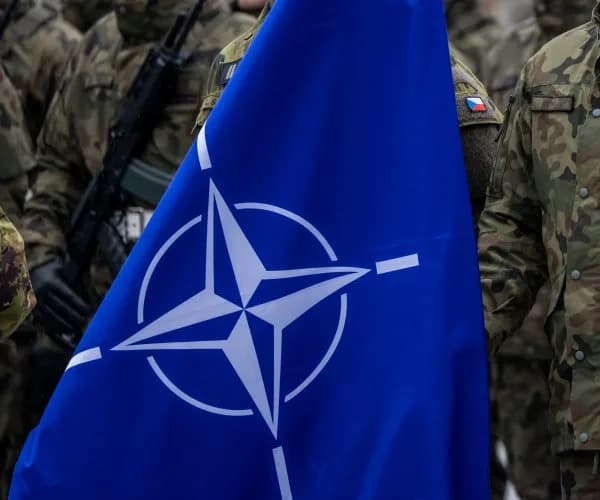
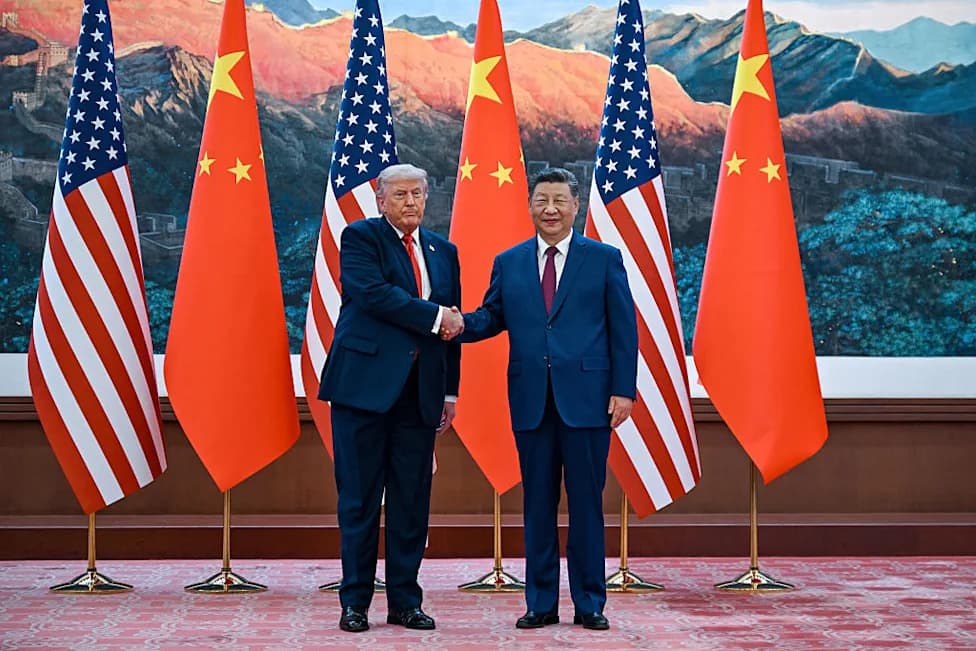
NATO, founded in 1949, remains a vital platform for U.S. strategic power despite arguments that it is obsolete. Key reasons to prioritize NATO include its global reach, role in preventing a leadership vacuum, ability to link European and Indo-Pacific challenges, Arctic security contributions, and industrial and technological collaboration. Sustained U.S. engagement preserves influence and helps counter coordinated threats from Russia, China, and other actors.
Why NATO Must Remain a U.S. Defense Priority — 8 Strategic Reasons
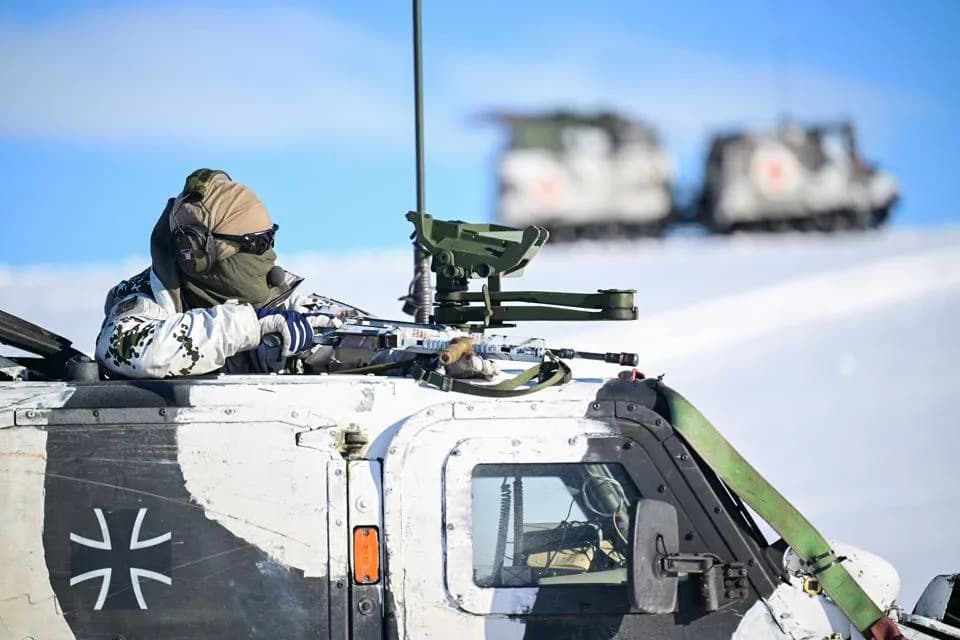
NATO exercise "Cold Response 26" in Norway brought together an array of international partners, including German mountain troopers, in exercises aimed at deterring aggression in the Arctic. The Arctic is currently seeing a steep uptick in Chinese as well as Russian presence. Sebastian Christoph Gollnow/dpa (Photo by Sebastian Gollnow/picture alliance via Getty Images)dpa/picture alliance via Getty Images
NATO exercise "Cold Response 26" in Norway brought together international partners — including German mountain troops — to deter aggression in the Arctic, a region seeing rising Russian and Chinese activity.
The North Atlantic Treaty Organization, founded in 1949, often faces criticism as a Cold War-era relic. In reality, NATO has evolved into a flexible platform for collective defense, crisis response, and technological and industrial cooperation. As strategic competition intensifies across multiple domains, the United States should regard NATO as an asset to preserve and strengthen, not a burden to abandon.
Eight Reasons to Prioritize NATO
1. Global Reach
NATO is no longer confined to Europe. Globalization and transregional threats mean that NATO helps the United States detect and counter threats whose effects spill beyond traditional geographic boundaries.
2. Preventing a Power Vacuum
A significant U.S. withdrawal would do more than resolve budget fights: it would create a leadership vacuum with wide-ranging geopolitical consequences. Vacuums in Europe could be exploited by revisionist states seeking to expand influence.
3. Preserving U.S. Influence
Maintaining a leadership role in NATO preserves American diplomatic, economic, and military influence. If the U.S. retreats, rivals such as Russia — and potentially China — could move to fill the gap, altering the balance of power in ways that harm U.S. interests.
4. Connecting Europe and Indo-Pacific Concerns
While the Indo-Pacific is a top priority, threats originating there — such as supply-chain control over critical minerals and advanced manufacturing — have global effects. NATO can help coordinate transatlantic responses that complement Indo-Pacific strategies.
5. Arctic and Strategic Access
China and Russia have increased activity in the Arctic, including transits that bring vessels closer to North American approaches. NATO partners enhance surveillance, deterrence, and response capabilities in this increasingly contested theater.
6. Managing Internal Disputes
Budgetary and political disagreements are perennial but resolvable. NATO’s historical strength rests on allies’ willingness to compromise for cohesion; diplomatic mechanisms within the alliance can negotiate differences without undermining collective security.
7. Industrial and Technological Collaboration
NATO offers a platform for industrial cooperation on emerging defense needs — from unmanned systems and drone networks to critical-minerals supply chains and cyber resilience. Closer U.S.–European industrial ties reduce reliance on strategic competitors while accelerating capability development.
8. Historical Bonds and Moral Leadership
NATO grew out of postwar reconstruction and trust-building. Its value derives not only from military strength but from decades of goodwill and shared democratic values. Abandoning those ties would damage long-term alliances that underpin U.S. global leadership.
Adapting to New Forms of Competition
Modern rivalry includes hybrid "gray zone" tactics, cyber operations, and advances in unmanned systems. NATO has repeatedly adapted its exercises and doctrines — and must continue to evolve, integrating economic and industrial cooperation as part of alliance resilience.
Why Continued U.S. Leadership Matters
The invasion of Ukraine in February 2022 heightened the risk of large-scale conflict in Europe and underscored the importance of allied coordination. U.S. participation in NATO signals commitment, deters aggression, and ensures interoperability of forces and systems. Stepping back would be both a strategic and moral setback.
Conclusion: NATO is imperfect and faces significant challenges, but it remains one of the United States’ most effective strategic tools. Strengthening the alliance — through defense investment, technological cooperation, and sustained U.S. leadership — is a prudent way to protect shared interests and deter a widening array of threats.
Help us improve.