Christian Dörr of the Hasso Plattner Institute warns that Germany is currently the most targeted country in Europe for ransomware, with many attacks often traced back to Russia. The growth rate of attacks in Germany is nearly double that of France, and typical ransom demands average in the hundreds of thousands of euros. Public administration is experiencing the fastest rise in incidents, while health care faces the largest payouts and risks involving sensitive patient data.
Germany Named Europe’s Top Ransomware Target as Attacks Surge
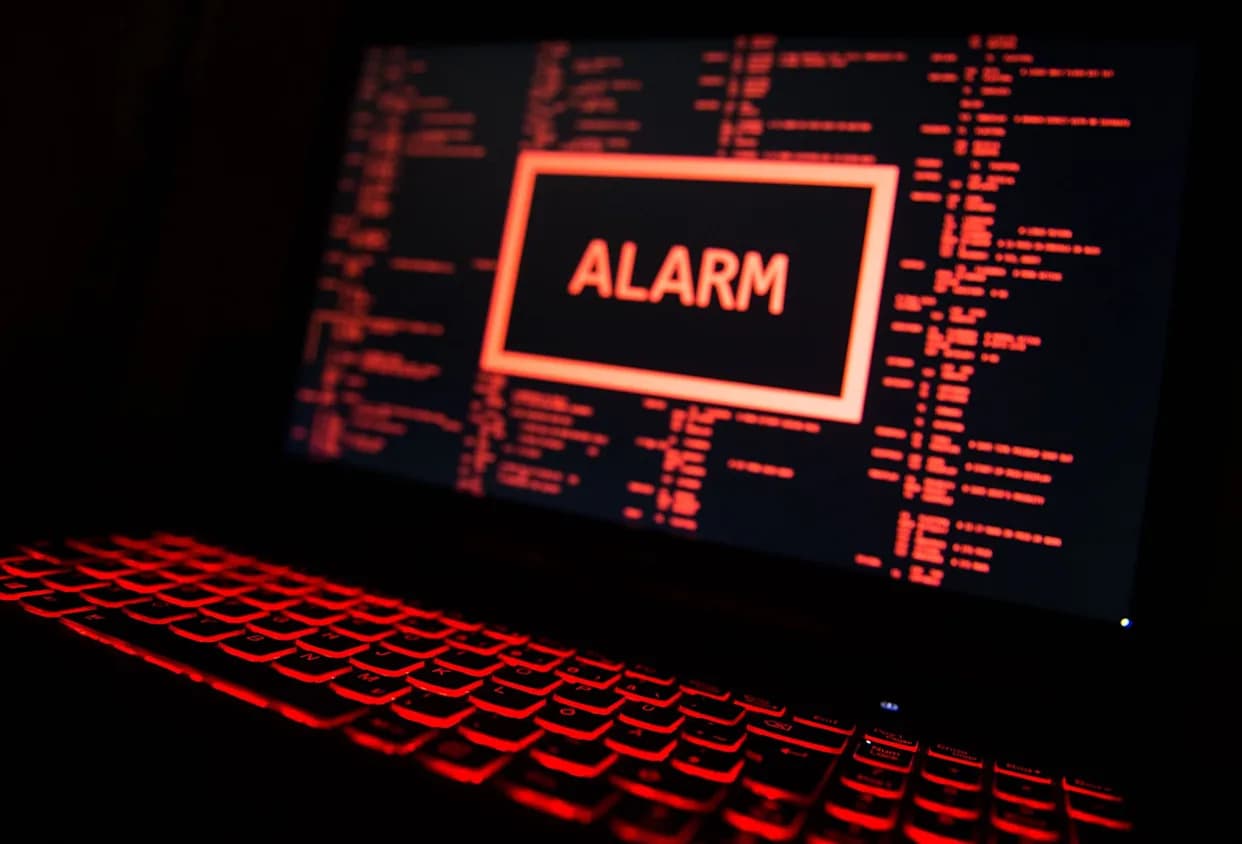
FILE PHOTO - A computer screen shows a red alarm. (is associated with: «Germany is Europe's top ransomware target, expert says») Lino Mirgeler/dpa
Germany has emerged as the most targeted country in Europe for ransomware attacks, a cybersecurity researcher has warned — and many of the incidents can be traced back to Russia, according to experts.
Christian Dörr, a researcher at the Hasso Plattner Institute (HPI) in Potsdam, made the remarks ahead of a national cybersecurity conference in the city. He said the pace of ransomware growth in Germany is almost double that of France, the next most affected EU nation.
What Ransomware Does
Ransomware is malicious software that encrypts files and systems, preventing access until a ransom is paid. Attackers typically demand payment in return for decryption keys, and the wider consequences often extend far beyond the ransom itself.
Scale and Impact
Dörr said typical ransom demands in Germany now average in the hundreds of thousands of euros. Beyond these payments, victims commonly face weeks of operational downtime, a disruption that can push smaller organisations toward bankruptcy.
"Germany is Europe's hotspot for ransomware," Dörr said. "We have been falling behind in global comparisons for many years."
The researcher warned that Germany’s many globally competitive companies and market leaders make it an attractive target for criminals seeking valuable business data.
Sectors Under Pressure
Public administration is seeing the steepest percentage increase in incidents, Dörr noted, where structural and legacy issues make strong cybersecurity harder to implement. The health-care sector faces the highest ransom payouts: attackers not only steal business data but also sensitive patient health records, which command high prices on underground markets and can be used to extort individuals a second time.
Ransomware attacks have previously temporarily paralysed hospitals, municipal administrations and transport operators across Germany, highlighting the real-world consequences of cybercrime on public services and patient safety.
Takeaway
Experts say improving cybersecurity awareness, modernising IT infrastructure in public bodies, and bolstering incident response are urgent priorities if Germany is to reduce its exposure to increasingly costly and disruptive ransomware campaigns.
Help us improve.