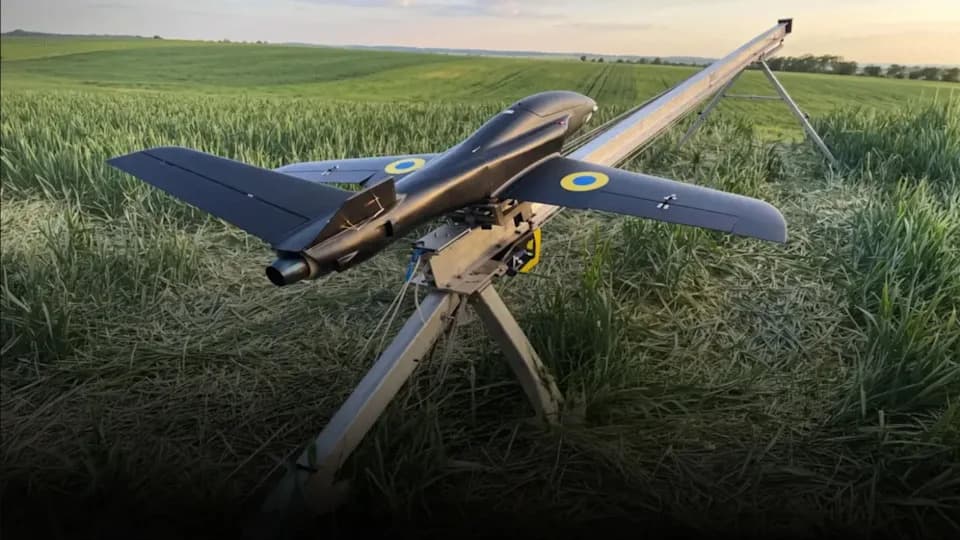
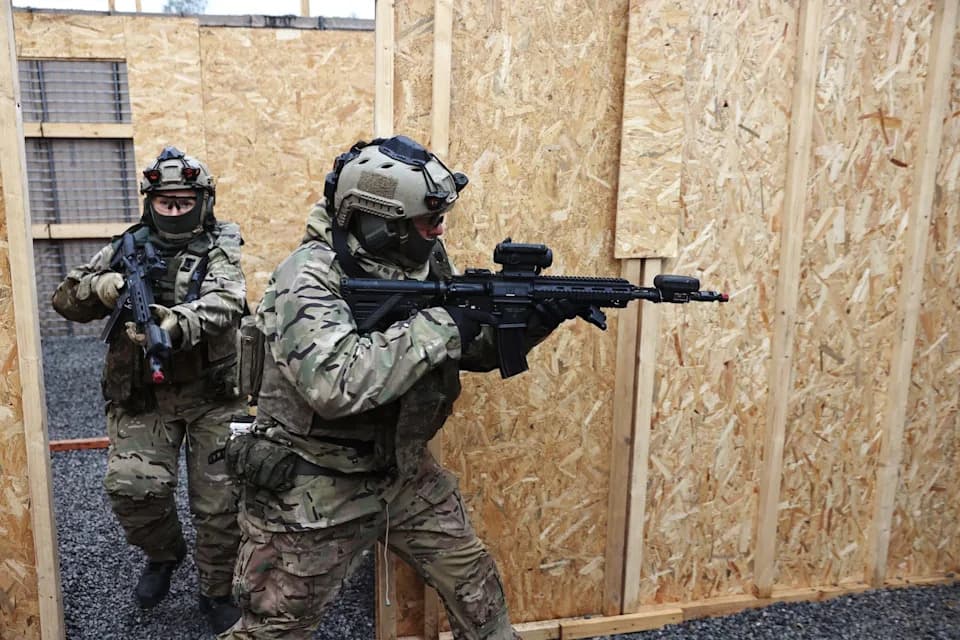
The NATO‑Ukraine Persistent Airfield Denial Innovation Challenge offers €250,000 for solutions that can persistently prevent Russian tactical aircraft from operating from defended rear‑area airfields. Entries must work in GPS‑denied and EW‑contested environments, be fieldable within about one year, and show a credible route to rapid deployment. Ten finalists will be announced on August 11 and will present at a pitch day on September 3 in Poland. Organisers caution that funding, industrial scale and development time remain major obstacles to turning prototypes into mass‑fielded systems.
NATO‑Ukraine Airfield Denial Challenge Seeks Private Solutions To Cripple Russian Tactical Aviation
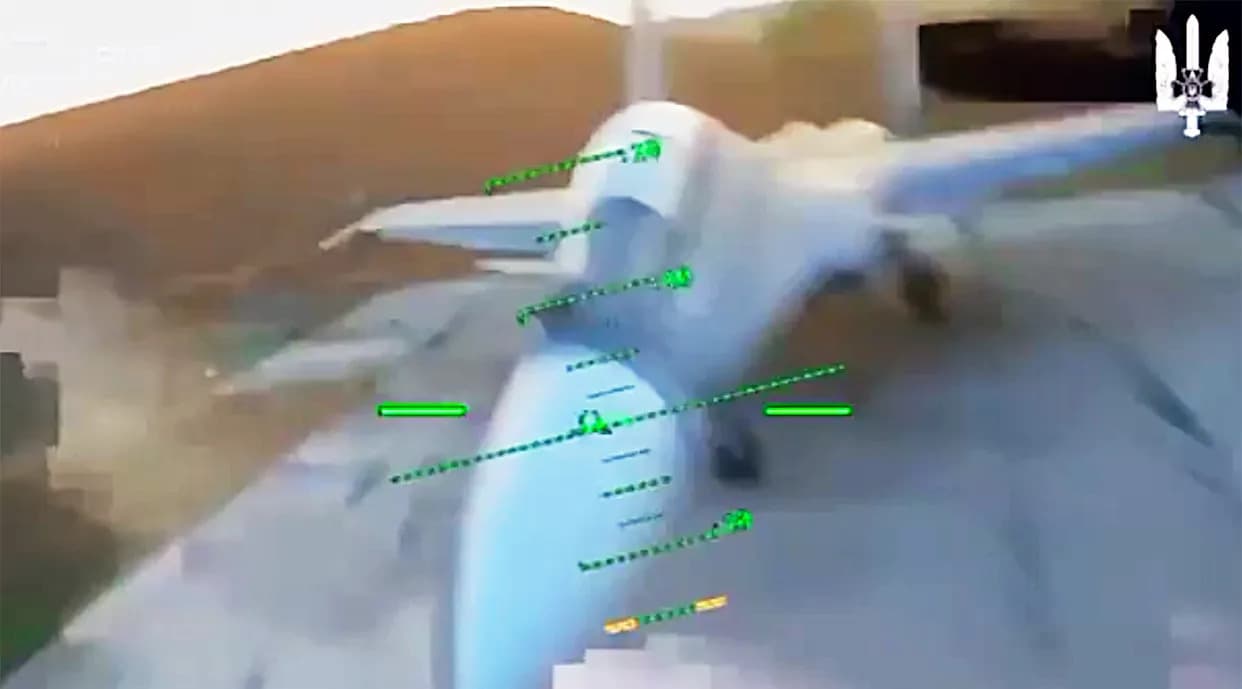
NATO and Ukraine are looking to the private sector to develop methods of attacking Russian air bases.
NATO and Ukraine have launched the Persistent Airfield Denial Innovation Challenge — a public competition that offers a €250,000 prize to companies, startups and individuals who can propose practical, rapidly fieldable ways to prevent an adversary from sustaining air operations from rear-area bases.
What the Challenge Seeks
The challenge, run by the NATO‑Ukraine Joint Analysis, Training and Education Centre (JATEC) and NATO Allied Command Transformation (ACT) under the guidance of SACT, asks for concepts that can persistently deny or suppress multiple aim points across an airfield. Submissions should be capable of operating in GPS‑denied and electronic‑warfare (EW)‑contested environments, work in all weather and seasons, and demonstrate a credible path to rapid fielding — ideally within one year.
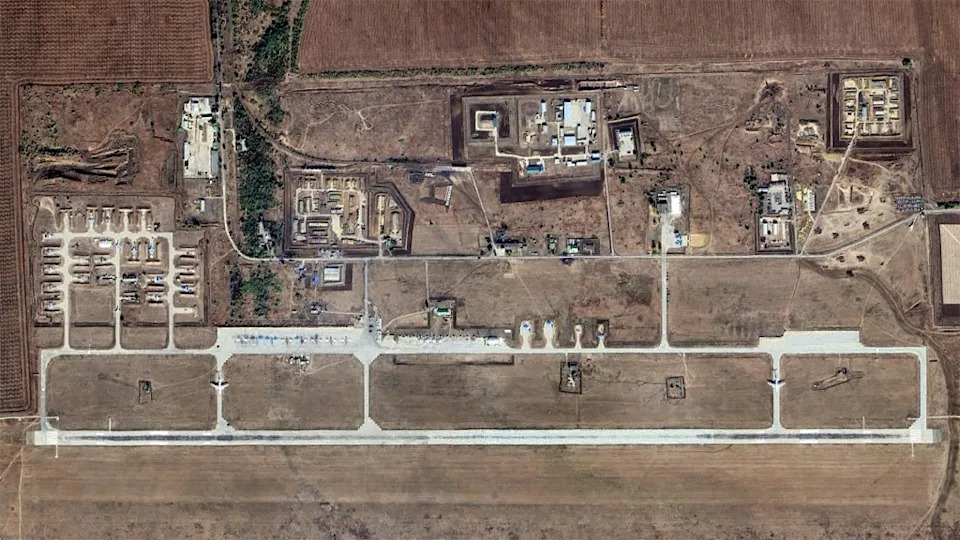
Ukraine has carried out many strikes on airfields, including one on the Morozovsk airbase in Russia. (Google Earth) Google Earth
Acceptable Approaches
- Uncrewed aerial systems (UAS) of any range class
- Autonomous or semi‑autonomous munitions and loitering systems
- Swarming and mass‑effect tactics
- Alternative delivery mechanisms beyond conventional aircraft
- Hybrid systems that combine multiple technologies
SACT emphasises that proposed solutions should be resilient to EW, require minimal user training, include AI‑assisted target acquisition to reduce reliance on scarce expert judgement, and be able to deliver sufficient mass and precision to suppress several targets across an airfield simultaneously.
Technical And Program Constraints
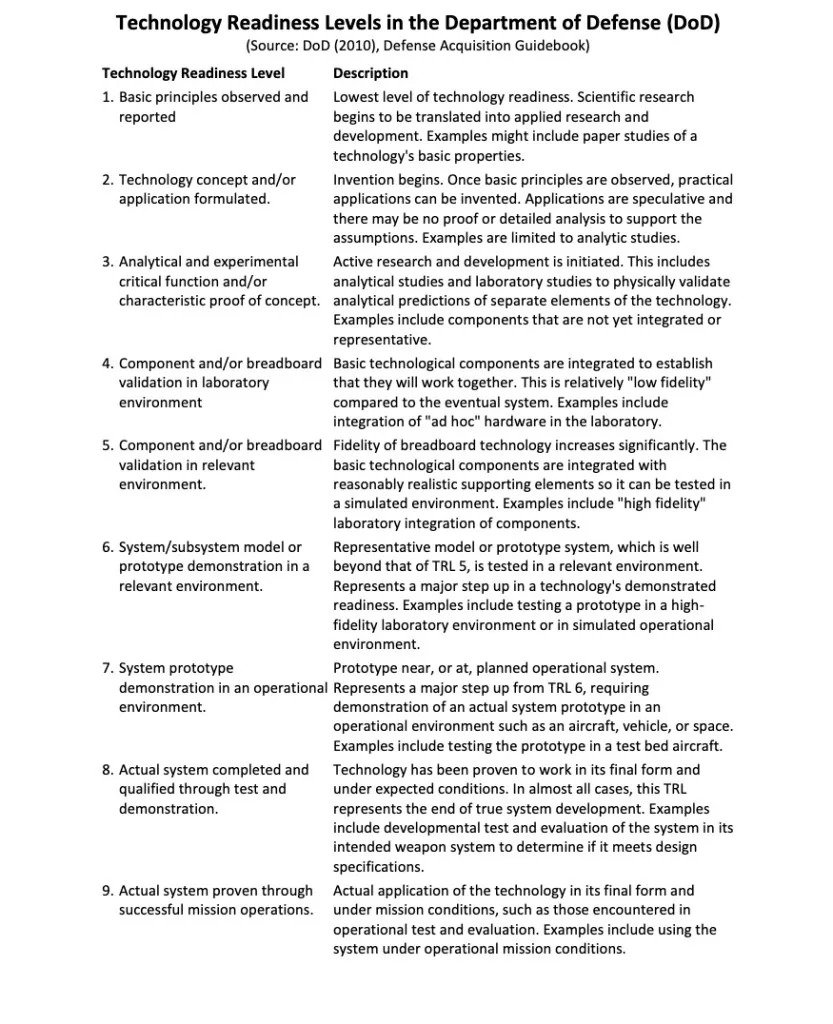
Organisers accept proposals at mid‑to‑upper military technology readiness levels (TRLs), from high‑fidelity laboratory integration to prototypes near planned operational systems. Systems that cannot be fielded within roughly one year will not be considered. The selection timeline is:
U.S. Army
- Submission deadline: July 20
- Ten finalists announced: August 11
- Pitch day for shortlisted teams: September 3 (provisionally in Poland)
Why This Matters
According to NATO, Russian tactical aviation operating from defended rear‑area airfields remains a major asymmetry: those bases enable sorties that strike frontline units, infrastructure and civilian areas with guided bombs, cruise missiles and other stand‑off munitions. NATO argues that point‑defense and reactive interception should be complemented by systems that deny airfields at source.
“Each sortie originates from an airfield. Every airfield is a node of vulnerability: if it can be persistently denied, the adversary’s air campaign is fundamentally disrupted at source.” — SACT
Practical Challenges
Turning promising concepts into force‑multiplying systems faces three key hurdles: funding, industrial scale and time. Ukraine’s defence‑tech sector has produced highly innovative drones, loitering munitions and other systems during wartime, but scaling complex systems for mass production and long logistics chains remains difficult. NATO has assembled roughly a half‑billion‑dollar fund to support weapons development for Ukraine, which could help successful entrants move from prototype to production — but significant effort would still be required to produce quantities large enough to change the calculus of Russian tactical aviation.
Open Invitation
The Ukrainian Ministry of Defence and NATO invite miltech companies, startups, engineering teams and individual innovators to submit designs that meet the operational constraints. The programme is intentionally technology‑agnostic: judges will prioritise credible, near‑term paths to fielding and EW‑resilient performance across contested conditions.
Contact: [email protected]
Help us improve.