Labour’s internal momentum has shifted away from Sir Keir Starmer after successive electoral disappointments, with Andy Burnham emerging as the leading challenger following his Makerfield by-election performance. Around 100 MPs are reported to have called for a leadership change, and many ministers worry about a humiliating contest for the prime minister. While Burnham’s popularity and electoral appeal make him an attractive option, critics warn replacing a leader on the back of a by-election decided by roughly 77,000 votes risks instability. The party now faces a fraught choice: a leadership contest, a voluntary resignation, or an extended internal struggle.
Momentum Shifts Against Starmer As Andy Burnham Emerges As Frontrunner

[BBC]
Pressure is mounting on Sir Keir Starmer after a string of electoral setbacks and internal turmoil, with growing momentum behind Andy Burnham as a credible successor. As the weekend unfolds, the prospect of a leadership change in Labour — and the UK getting its seventh prime minister in ten years — feels increasingly likely.
[Reuters]
Weekend Developments
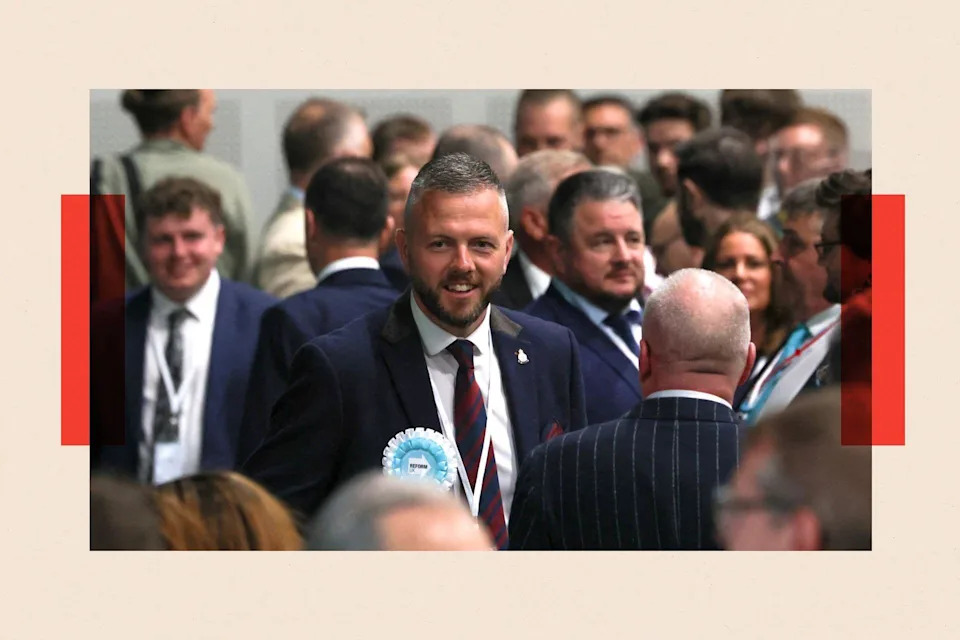
Starmer spent the weekend at Chequers with his wife, while Andy Burnham was also away with family — a quiet backdrop to an intensifying political drama. Within Westminster, talk that Starmer will stay and fight has faded: numerous ministers and around 100 MPs are reported to have publicly called for a change of leadership.
[Reuters]
Why Burnham Is Gaining Support
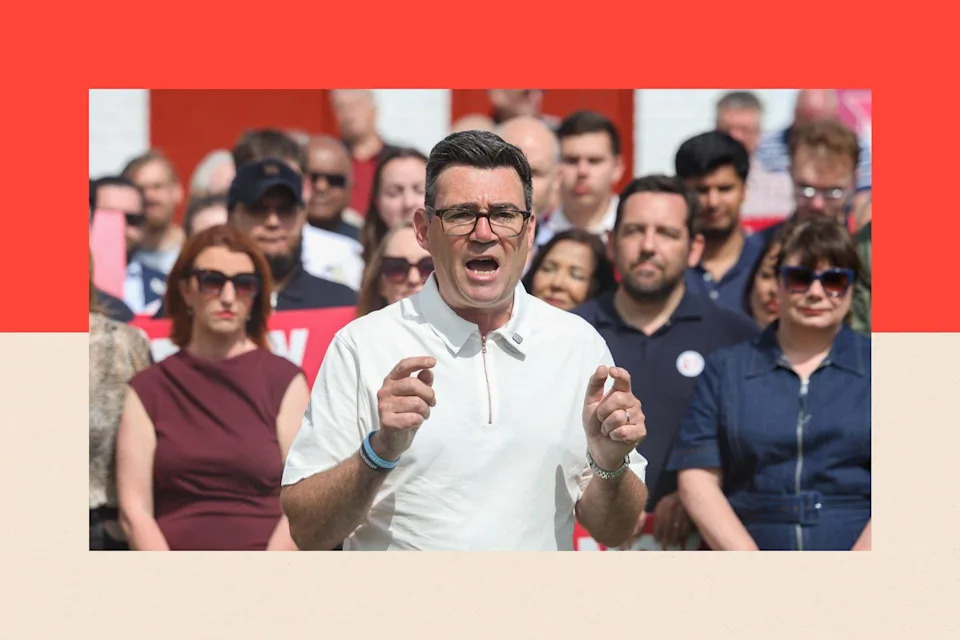
Supporters argue Burnham offers what Labour currently lacks: visible personal popularity, a track record of winning tough contests and an ability to connect with voters. His high-profile tenure as Mayor of Greater Manchester and a strong showing in the Makerfield by-election have convinced many colleagues he can blunt the threat from Reform and revive Labour’s standing.

[Reuters]
“He's an instinctive guy – that's his great talent,” one source said, noting Burnham’s capacity to make people feel optimistic.
Reservations Inside No 10 And The Risks Of A Change
Downing Street and some ministers are alarmed at Burnham’s interventions and unsure about his policy agenda. Critics warn of the precedent set by replacing a prime minister after a by-election decided by roughly 77,000 votes, arguing there is no national mandate for such a move without a general election.

[EPA/Shutterstock]
Other concerns include the instability a mid-term leadership change could create: if Labour’s fortunes do not improve, calls for another removal could follow. Some even speculate about unlikely comebacks from former figures such as David Miliband or Ed Balls, though that remains speculative.
[Reuters]
Starmer’s Position And Possible Outcomes
Starmer’s loyalists insist he could fight and win a leadership contest — citing donors and campaign infrastructure — while many colleagues privately believe he would be routed by Burnham. Several cabinet ministers say they do not want to see the prime minister publicly humiliated in a contest; others question his political instincts and leadership style.
Options now range from Starmer choosing to stand down voluntarily, being forced into a contested leadership race (where other candidates, such as Wes Streeting, might still stand), or trying to cling to power and risk ongoing division within the party.
Assessment
Starmer’s achievement in returning Labour to power after 2019 is undeniable, and his government can point to policy wins — reduced NHS waiting lists, falls in immigration, steady foreign policy and economic growth. Yet political perception has shifted: for many inside the party, his appeal to voters has diminished and internal confidence is wavering.
Whether Starmer will stay to fight, step down voluntarily, or be pushed out remains uncertain — but for many insiders, the balance has decisively tipped. "It's done," one veteran figure told reporters.
Help us improve.