
President Donald Trump praised the 14-point Iran memorandum he signed at the Palace of Versailles, calling it "really probably is unconditional surrender" for Iran in an Axios interview and later claiming on social media that Iran had been "completely defeated militarily." The pact has been widely mocked across the political spectrum and has drawn skepticism from some pro-Trump media figures. The White House communications team publicly rebuked critics, including NewsNation host Batya Ungar-Sargon.
Trump Boasts 'How Well We Have Done' on Widely-Mocked Iran Memorandum, Slams Obama
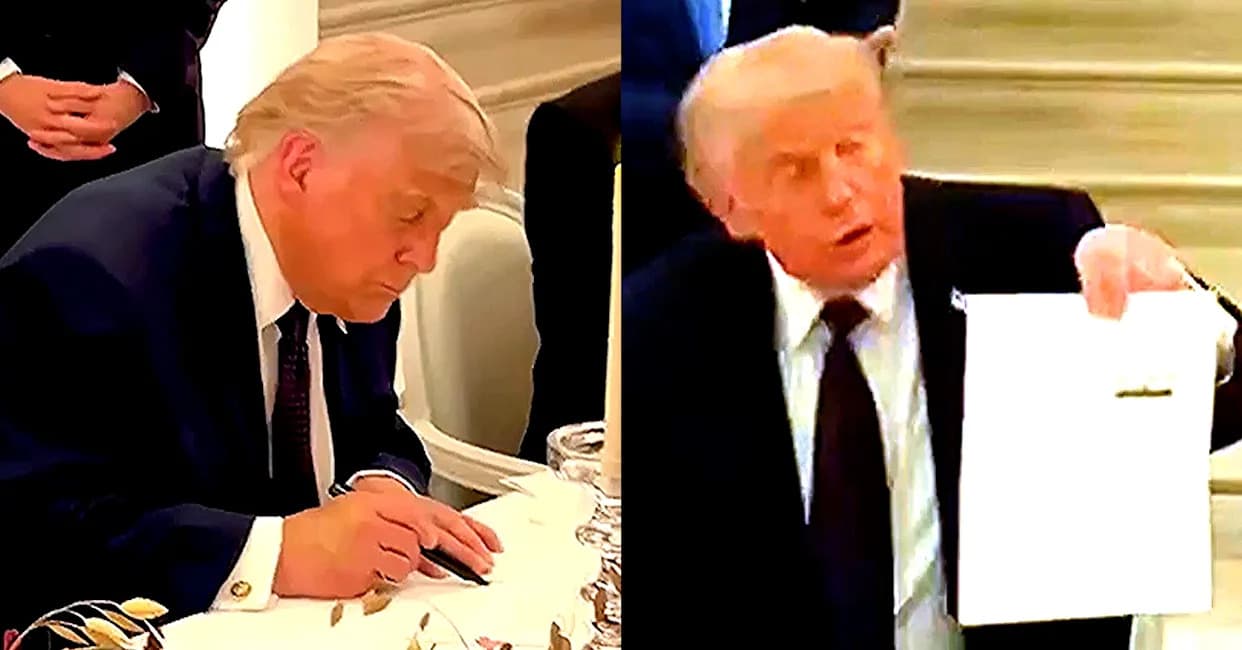
Trump Blurts Crack-of-Morning Rant Boasting 'How Well We Have Done' in Widely-Mocked Iran Deal — Rages at Obama
President Donald Trump posted an early-morning message praising the 14-point Iran memorandum he signed at the Palace of Versailles and attacking Democrats and former President Barack Obama.
The memorandum has been met with widespread derision across the political spectrum and has been compared unfavorably with the 2015 Iran nuclear agreement negotiated during the Obama administration — a deal Mr. Trump previously abandoned.
In an interview with Axios, Mr. Trump described the pact as "really probably is unconditional surrender" for Iran, a characterization that prompted further scrutiny. Hours after flying to Camp David for the weekend, he returned to social media with a combative post that both celebrated the agreement and disparaged critics.
"Radical Left fools and Dumocrats realize how well we have done in our War against Iran, with their Country being completely defeated militarily. Obama just kept giving them $Billions in cash, and never used our then depleted military for what should have been done to reign in the World's number one sponsor of terror, Iran... AMERICA IS BACK!!!"
Criticism has come from both Democrats and Republicans, and even some of the president's media allies have expressed skepticism. NewsNation host Batya Ungar-Sargon, who has described herself as a Trump supporter, has repeatedly questioned the memorandum — a stance that drew a sharp public rebuke from the White House communications team.
The White House statement singled out Ungar-Sargon by name while also attacking other cable personalities and insisting that the president's leadership should not be doubted. The post and surrounding debate were first reported by Mediaite.
Why This Matters
The controversy underscores how divisive major foreign-policy gestures can be, even within a leader's own coalition. Supporters argue the memorandum signals a tougher stance on Tehran; critics say it is flawed and risks diplomatic and political costs. The dispute is likely to influence domestic political messaging and how international observers assess the administration's approach to Iran.
Help us improve.





















