The Senate Armed Services Committee recommends a flat 3.6% military pay increase for fiscal 2027, rejecting a White House-backed tiered plan of 5%–7% that the House supports. Senators cite the DoD’s 2025 QRMC finding that junior enlisted pay was already above the 90th percentile of comparable civilian wages and endorse benchmarking to the 75th percentile. Rather than spending an estimated $2.3 billion to fund larger raises, the committee would redirect those funds — including $1.77 billion for military health — toward readiness and quality-of-life programs. Lawmakers must now reconcile the House and Senate proposals in the authorization process.
Senate Backs Flat 3.6% Military Pay Raise, Rejects White House Tiered Plan — Redirects $2.3B to Health and Readiness
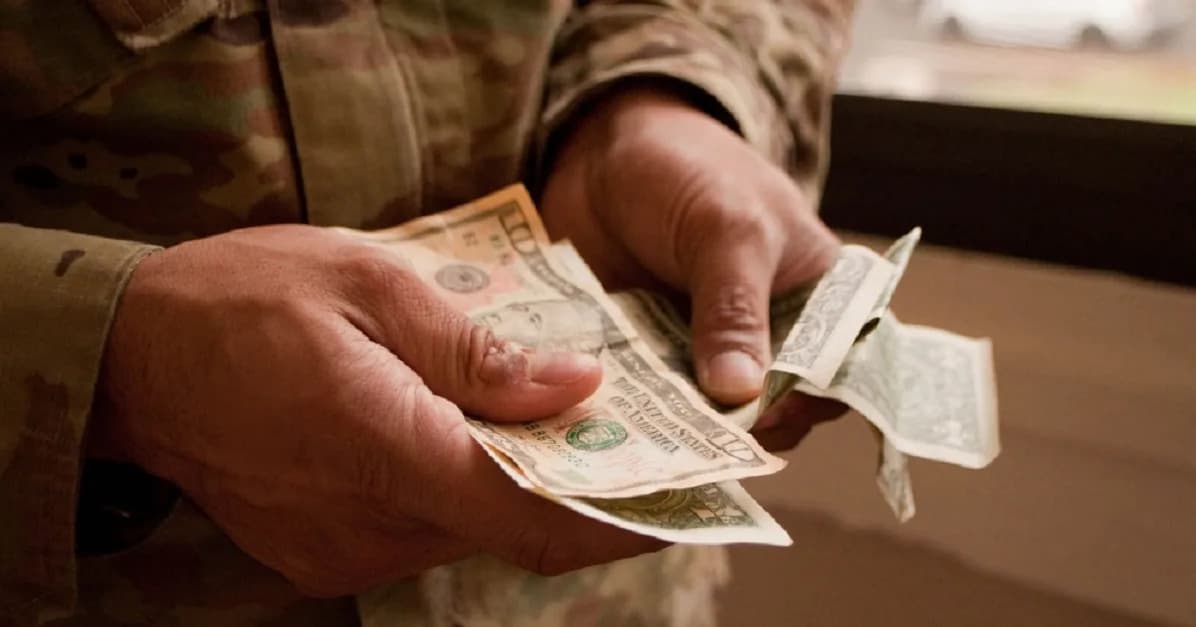
The Senate Armed Services Committee has proposed a flat 3.6% pay raise for all troops, instead of the administration’s request for raises between 5 to 7%, depending on pay grade. (Kristen Wong/DoD)
The Senate Armed Services Committee has proposed a uniform 3.6% pay increase for all service members for fiscal 2027, rejecting the Trump administration’s request for a tiered raise of 5%–7% based on pay grade — a tiered plan the House Armed Services Committee has endorsed.
What the Two Plans Say
Senate Proposal: A flat 3.6% across-the-board basic pay increase for all ranks.
Administration / House Proposal: Tiered raises phased by pay grade: 7% for E-5 and below, 6% for E-6 through O-3, and 5% for O-4 and above.
Why the Senate Chose a Flat Raise
In the report accompanying the Senate bill, committee members said they recognize the need to keep military compensation competitive, noting Congress enacted a targeted 14% increase for junior enlisted members in 2025. They cited the Department of Defense’s Fourteenth Quadrennial Review of Military Compensation (QRMC), released in early 2025, which found that pay for junior enlisted personnel ranked above the 90th percentile of comparable civilian wages even before the 2025 targeted boost.
The QRMC recommended benchmarking military basic pay to the 75th percentile of civilian earnings for people of comparable age and experience. The panel warned that concentrating large, targeted raises in one segment of the pay table can increase pay compression — when pay differences between adjacent grades shrink — which can undermine promotion incentives and retention.
Money Reallocated To Readiness And Quality Of Life
Rather than fund the additional estimated $2.3 billion required to implement increases above 3.6%, senators proposed redirecting those funds into areas they say are under-resourced and linked to readiness and quality of life:
- $1.77 billion for the Defense Health Program to address chronic underinvestment, staffing and access issues.
- $250.9 million for civilian personnel compensation to help recruit and retain critical DoD civilian staff in high-demand specialties and regions.
- $126.9 million for military special and incentive pays.
- $28.3 million for tuition assistance and credentialing programs.
- $38.7 million for military child and youth programs.
- $20 million for the Military Entrance Processing Command to support recruiting operations.
- $10 million each for the Defense Suicide Prevention Office and the Defense Commissary Agency.
Implications And Next Steps
Lawmakers now must reconcile the House and Senate proposals as the defense authorization process continues. If lawmakers adopt the Senate’s approach, junior enlisted members would not receive the larger tiered boosts the administration and House committee proposed. Instead, the additional resources would be shifted toward health care, civilian retention, special pays and family support programs that senators argue are vital to long-term readiness.
"Pay compression matters because it can affect performance incentives," the QRMC report said, warning that disproportionate pay increases for one group can weaken promotion and retention incentives across the force.
The debate highlights a broader trade-off: directly boosting take-home pay for lower ranks versus investing in systems and services that support readiness, retention and long-term force health.
Help us improve.