Zimbabwe's parliament has approved legislation to extend presidential terms from five to seven years, a change that could keep President Emmerson Mnangagwa in office until 2030. Supporters say the reform will reduce election costs and enable longer-term planning, while critics — including some independence war veterans and members of the public — accuse Mnangagwa of attempting to consolidate power. The package also proposes shifting to parliamentary election of the president and requires a second vote in the Senate before it can be ratified.
Zimbabwe Parliament Backs Longer Presidential Terms, Potentially Extending Mnangagwa’s Rule To 2030
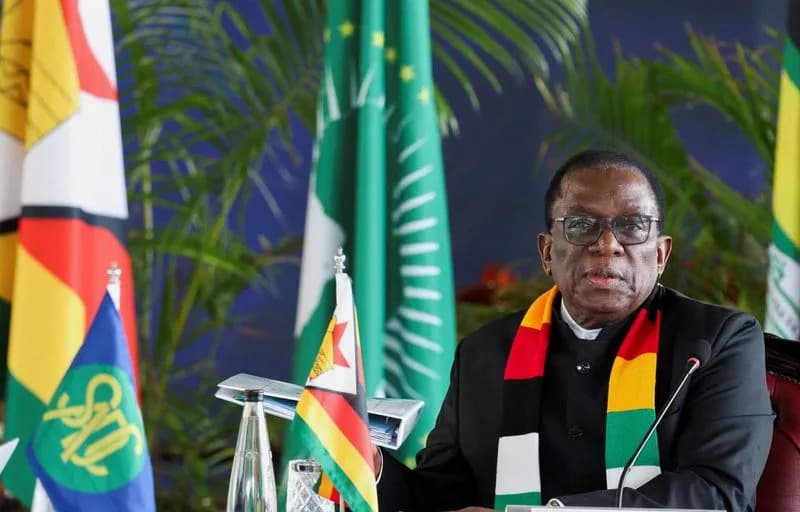
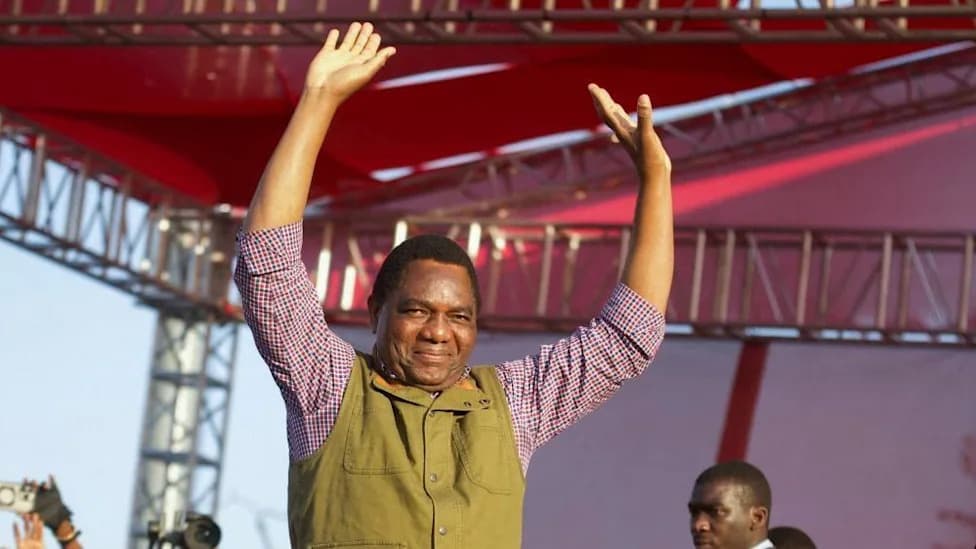
FILE PHOTO: Zimbabwe's President Emmerson Mnangagwa, attends the Heads of State from Southern and Eastern Africa meeting in Nairobi to discuss efforts to make peace in eastern Democratic Republic of Congo, at the State House in Nairobi, Kenya August 1, 2025. REUTERS/Monicah Mwangi/File Photo
Zimbabwe's parliament has approved a package of constitutional changes that would lengthen presidential terms from five to seven years and could pave the way for President Emmerson Mnangagwa to remain in power until 2030.
What Parliament Approved
On Thursday, lawmakers in Mnangagwa's ruling ZANU-PF party voted to amend the constitution to extend presidential terms to seven years. The package also includes a proposal to have the president elected by parliament rather than by direct popular vote. The measures still require a second vote in the Senate before they can be ratified.
Supporters' Case
Backers within ZANU-PF argue the longer term will reduce the frequency and cost of elections, provide greater political stability and allow for longer-term economic planning. Party officials say the move is intended to give governments more time to implement reforms without the disruption of frequent nationwide campaigns.
Public Pushback And Political Risk
The proposals have drawn unusually vocal opposition from members of the public and some independence war veterans who accuse Mnangagwa of staging a power grab. Critics warn that changing the rules of the political game while the incumbent stands to benefit undermines democratic norms and risks further polarising the country.
Mnangagwa’s Track Record
Mnangagwa, 83, became president after a military takeover in November 2017. He initially presented himself as a reformer, promising to cut wasteful spending and privatise loss-making state enterprises. Yet his presidency has been marked by continued economic instability: inflation surged as high as 243% in 2023 before easing to single digits in January for the first time in nearly three decades.
Human rights and repression: Early hopes for reform were dented after a military crackdown on protests following the 2018 election, during which at least six people were killed. Authorities say measures against the opposition are necessary to maintain order; critics call them heavy-handed and undemocratic.
Historical Context And Controversies
Born on September 15, 1942, in Zvishavane (then Southern Rhodesia), Mnangagwa joined the liberation struggle young and later rose through ZANU-PF. He served in senior roles under Robert Mugabe, including as justice and defence minister and as head of state intelligence. He has been criticised for an alleged role in the 1980s Gukurahundi massacres that left thousands of mainly Ndebele civilians dead; he acknowledges the atrocities occurred but denies responsibility.
In 1965 he received a death sentence for a bombing incident; because he was under 21 the sentence was commuted to 10 years, an experience cited as shaping his opposition to capital punishment — which he abolished in Zimbabwe in 2024.
What Comes Next
The constitutional package now moves to the Senate for a second vote. If enacted, the changes would reshape Zimbabwe’s electoral timetable and could extend Mnangagwa’s term. Observers say the proposals will likely deepen the debate over democratic norms, governance and accountability in Zimbabwe in the months ahead.
Help us improve.