The Lancet analysis indicates England s HPV vaccination programme has likely prevented about 200 cervical cancer deaths and corresponds with zero recorded deaths in women aged 20–24 between 2020 and 2024. Girls vaccinated at 12–13 now face almost no risk of dying from cervical cancer before age 30. However, coverage (76% by age 15 in 2024–25) remains below the WHO s 90% target, so health officials urge targeted action and continued screening.
HPV Vaccine Linked to Zero Cervical Cancer Deaths in Young Women — About 200 Lives Saved in England
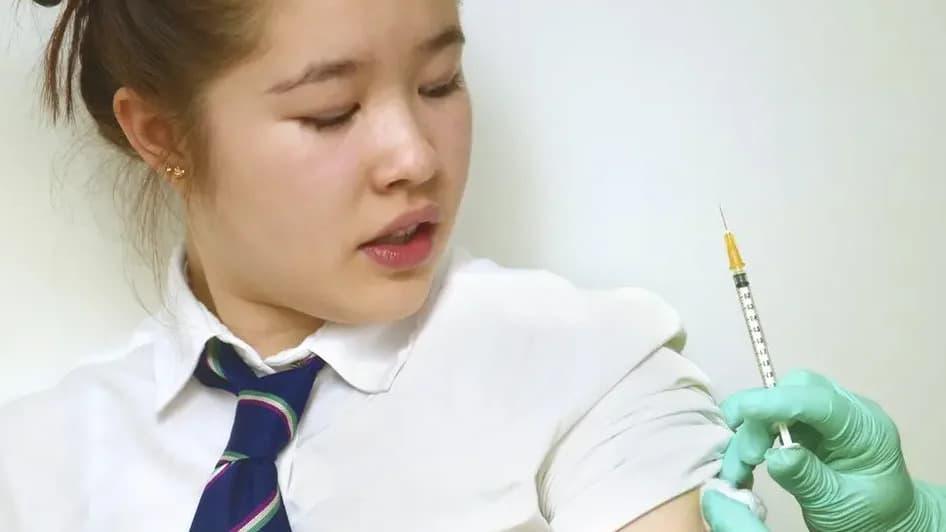
Girls have been offered the HPV vaccine since 2008 [Getty Images]
New analysis published in The Lancet finds that England's national HPV vaccination programme has likely prevented around 200 cervical cancer deaths so far and coincides with zero recorded cervical cancer deaths in women aged 20–24 between 2020 and 2024.
Key findings
The first study of its kind showed a sharp fall in fatalities after the human papillomavirus (HPV) jab began to be offered to school-age girls in 2008. Researchers estimate that without vaccination roughly 23 deaths would have been expected in women aged 20–24 during 2020–2024.
- Girls vaccinated at ages 12–13 now have almost no risk of dying from cervical cancer before age 30.
- Cervical cancer remains the 14th most common cancer among females in the UK, with about 3,300 diagnoses annually; HPV is thought to cause roughly 99% of cases.
- Vaccination coverage in England was 76% by age 15 in 2024–25, below the World Health Organization's 90% target for elimination.
It s incredible to think that a single jab can almost eliminate a particular type of cancer, said Prof Peter Sasieni, lead investigator at Queen Mary University of London.
Personal perspective
The report includes the story of Alexandra Legg, who left school just before the HPV vaccine was introduced. Diagnosed with cervical cancer in 2021 at age 30 while planning her wedding, Alexandra underwent treatment that removed abdominal lymph nodes but allowed a small part of her cervix to be preserved. A year later she gave birth to her daughter Ivy, whose middle name Marvella means 'miracle'. Alexandra says her experience would likely have been much less traumatic if she had been offered the HPV vaccine and urges those eligible to get vaccinated.
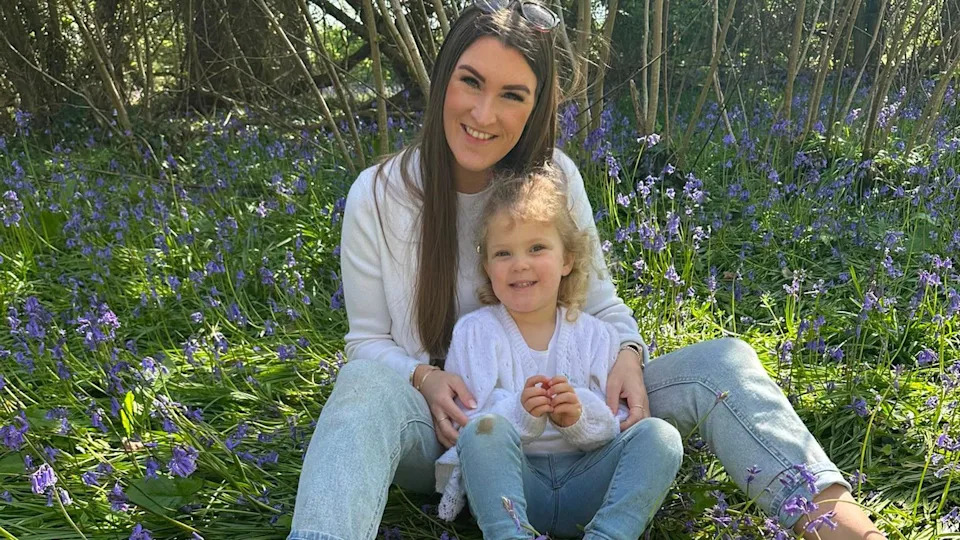
Alexandra and her three-year-old daughter Ivy, who was born after she had cervical cancer [Other]
Public health implications
Authors expect mortality to continue falling as vaccinated cohorts age and more people receive the jab. Cancer Research UK, which funded the analysis, called the results an 'incredible milestone' but warned that uptake in England remains below recommended levels. Michelle Mitchell, Chief Executive of Cancer Research UK, stressed the need for targeted action to reach communities with low coverage.
The UK government has pledged to eliminate cervical cancer as a public health problem by 2040. To help reach that goal, health authorities are expanding efforts including catch-up vaccination campaigns through community pharmacies and sending HPV self-testing kits to women who have not attended screening. Boys have been included in the national programme since 2019, which protects them against HPV-related cancers and reduces transmission.
Despite the dramatic benefits of vaccination, women aged 25–64 are still advised to attend routine cervical screening, because the vaccine does not protect everyone and older generations were not vaccinated at school age.
Bottom line: The Lancet analysis provides strong early evidence that the HPV immunisation programme is already saving lives in England, but improving vaccine coverage and maintaining screening are essential to eliminate cervical cancer in the coming decades.
Help us improve.