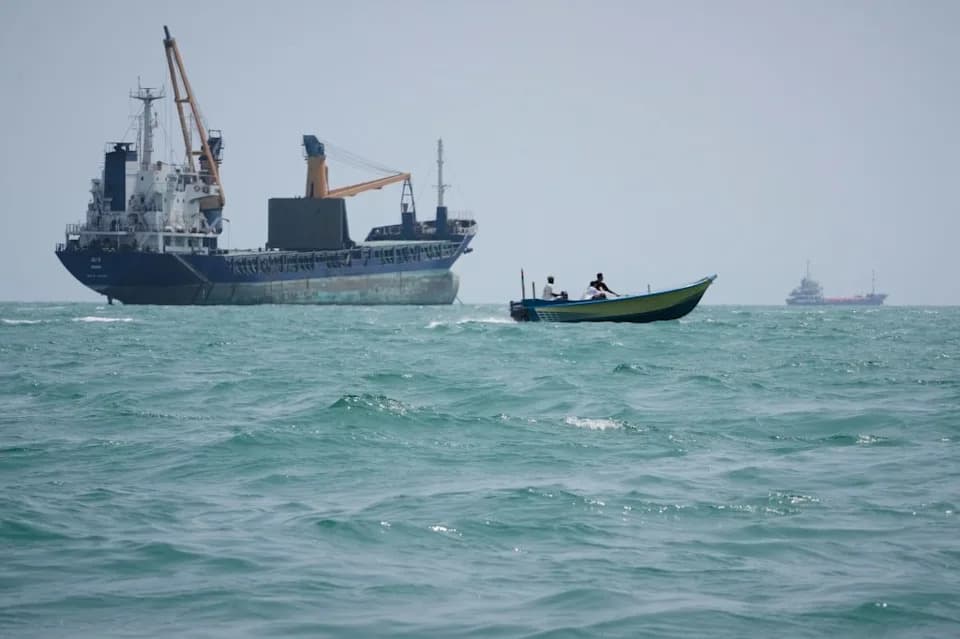
Sources tell Politico the Trump administration is considering charging oil tankers a fee for expedited U.S. naval escorts to encourage a return to the Strait of Hormuz. A leaked memorandum reportedly includes provisions for reopening the strait and up to $300 billion for Iran’s economic rehabilitation. Insurers currently refuse to cover transits, and a paid-escort idea is being discussed as both a practical and diplomatic tool while the U.S. pursues broader talks.
Trump Administration Weighs Charging Tankers for U.S. Naval Escorts Through Strait of Hormuz
The Trump administration is exploring proposals to persuade oil tankers to resume transits through the Strait of Hormuz, sources told Politico. Officials say the idea under discussion would allow commercial ships to pay a fee for expedited passage escorted by U.S. naval forces.
Background
According to reports, over the weekend President Donald Trump, Vice President JD Vance and Iranian negotiators reached a memorandum of understanding intended as a step toward ending the war. A leaked draft of that memorandum reportedly contains 14 provisions, including Iran reopening the strait, an end to a U.S. naval blockade, and as much as $300 billion in financing for Iran’s economic rehabilitation and development.
Why Tankers Are Hesitant
Even if the memorandum advances, insurers are currently refusing to cover transits through the Strait of Hormuz because of previous successful attacks on vessels in the waterway. That lack of insurance is a major obstacle to persuading shipping companies to return to the route.
What the Administration Is Considering
White House officials, led by Chief of Staff Susie Wiles and President Trump, have discussed ways to convince insurers to restore coverage for Hormuz transits. One option being floated is a fee-based system for escorted passage: operators would pay for expedited clearance and potentially a military escort — described by some sources as a "VIP pass" for ships.
“The President and Susie are giving them explicit orders to figure something out,” a source familiar with the discussions told Politico. “With limited exceptions, every transit [through Hormuz] is violating insurance plans. So what can be done to accelerate the insurers to start insuring again?”
Strategic and Diplomatic Considerations
One former administration official told Politico the tanker-fee proposal may be a negotiating tactic while President Trump attends the G7 summit in France. Supporters see the option as a way to create space for allies — such as France and Britain — to increase maritime-security responsibilities in the Gulf, bolster deterrence against any Iranian reversal, and blunt Tehran’s ability to treat control of Hormuz as a long-term source of leverage.
Current Status
These concepts were described to Politico by multiple people familiar with internal discussions. The administration has not announced any formal policy change, and it remains unclear whether insurers, Congress, or international partners would accept a fee-for-escort structure.
Help us improve.