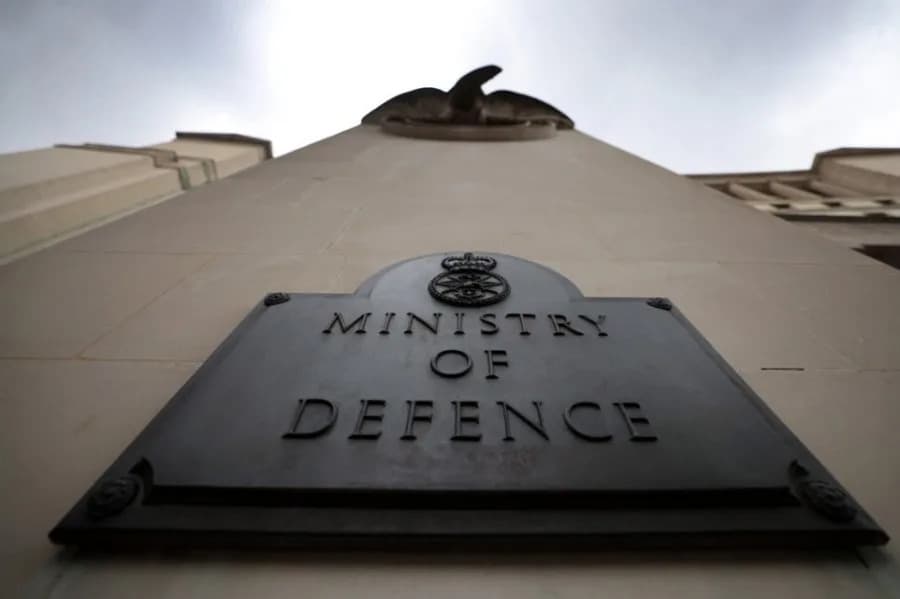
Germany and Poland will sign an inter-ministerial defence agreement to deepen practical military cooperation amid heightened tensions with Russia and uncertainty about U.S. force levels in Europe. The pact focuses on Baltic Sea security, military mobility and infrastructure, cyber defence and new technologies, while reaffirming NATO and EU obligations. Poland’s role as a logistics hub for Ukraine and rising defence spending make it a key partner for Germany as Berlin seeks to rebuild the Bundeswehr. Political sensitivities — including historical reparations and upcoming Polish elections — could complicate implementation.
Germany and Poland to Sign Practical Defence Pact as European Power Balance Shifts
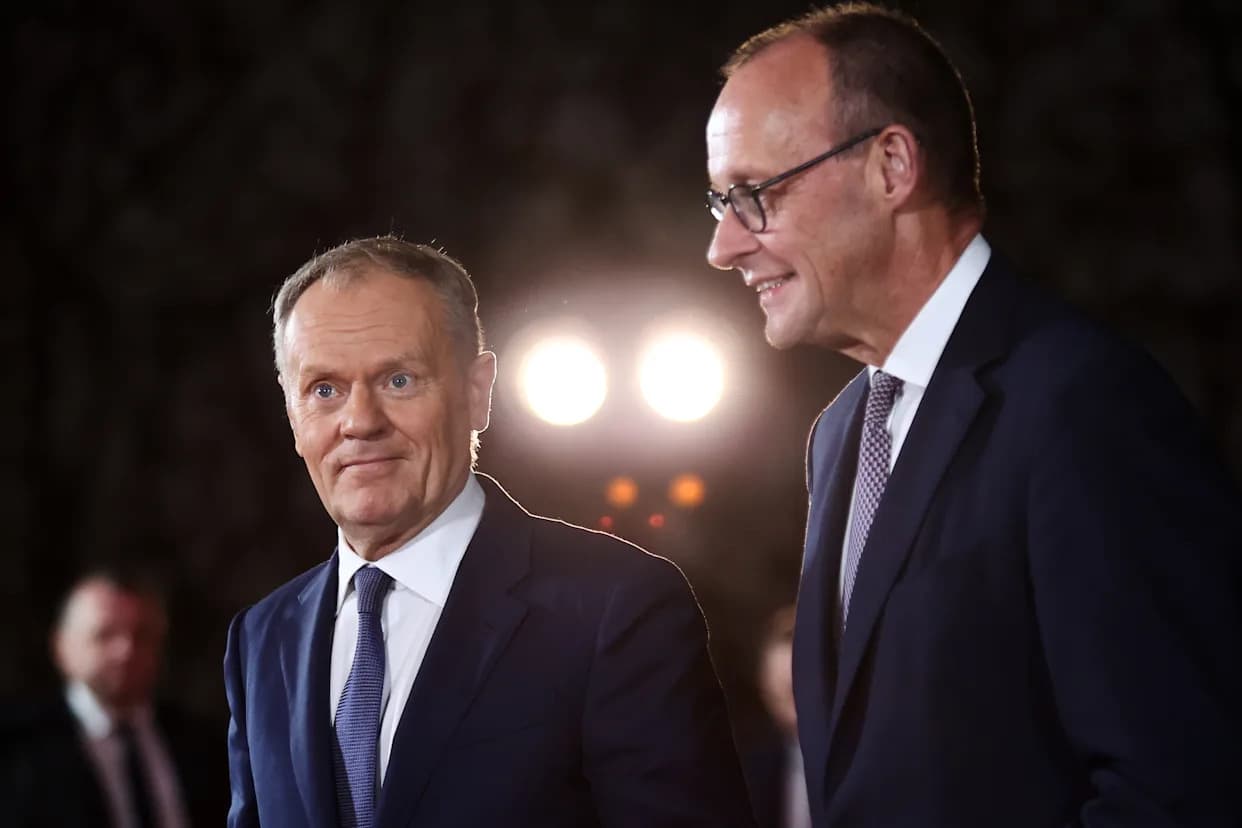
FILE - German Chancellor Friedrich Merz welcomes Polish Prime Minister Donald Tusk at the Chancellery in Berlin on Dec. 15, 2025. (AP Photo/Maryam Majd, File)(AP Photo/Maryam Majd)
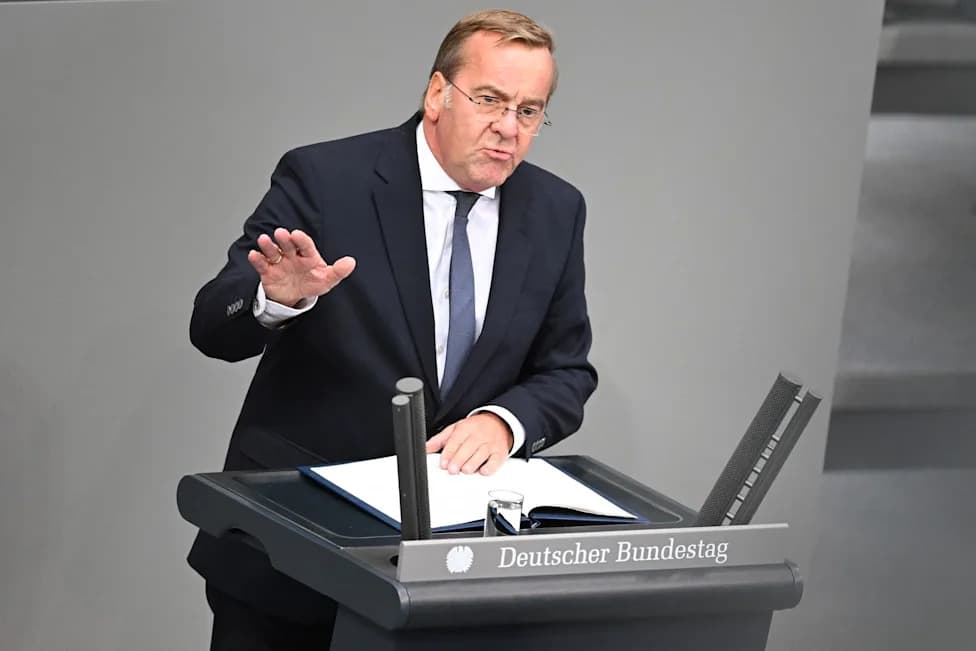
Germany and Poland are due to sign a practical, inter-ministerial defence agreement this Wednesday aimed at deepening military cooperation as Europe faces renewed pressure from Russia and uncertainty over the future scale of U.S. engagement on the continent.
The accord comes after the sharpening of priorities across the region following Russia’s full-scale invasion of Ukraine in 2022 and the return of a liberal government in Poland in 2023. Those shifts have driven more pragmatic ties between the neighbouring states and encouraged closer coordination on shared security concerns.
What the agreement will cover
The pact is expected to focus on protecting the Baltic Sea region and improving military mobility and infrastructure, while also strengthening cooperation on cyber defence and emerging technologies. It will reaffirm the mutual-defence obligations both countries hold under NATO and European Union treaties, but it will be inter-ministerial in nature — emphasizing practical, operational cooperation rather than new political mutual-defence declarations.
Strategic context
As the United States weighs a partial reduction of its forces in Europe, Poland has pushed for major European partners to shoulder a greater share of defending NATO’s eastern flank. Germany, meanwhile, is rebuilding the Bundeswehr after decades of underinvestment and has ambitions to develop one of NATO’s strongest conventional forces on the alliance’s European side.
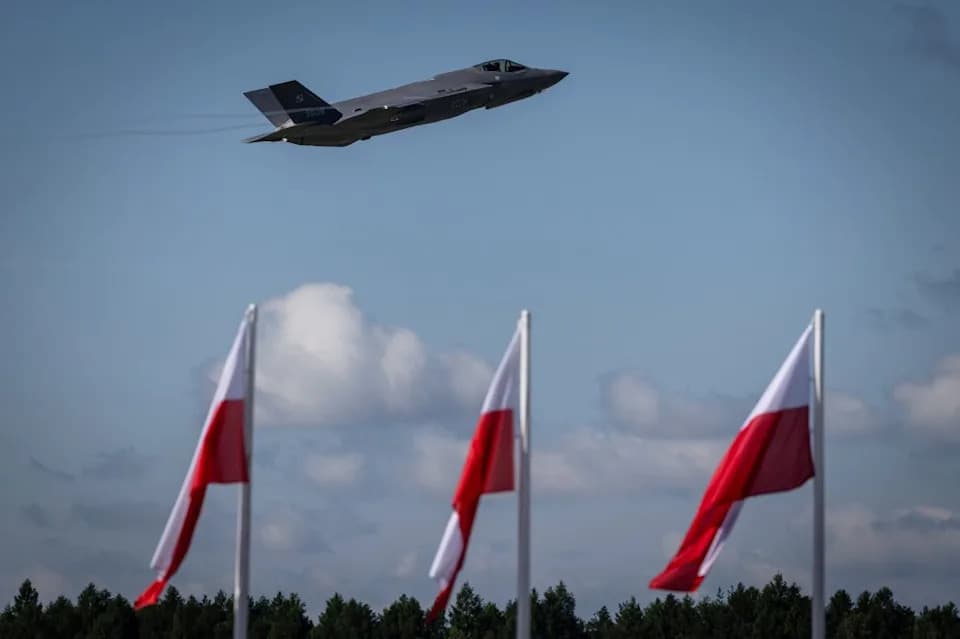
Poland’s role as a logistics hub for Ukraine, combined with rising defence spending and steady economic growth, has made it an increasingly important partner for Germany and other core European states.
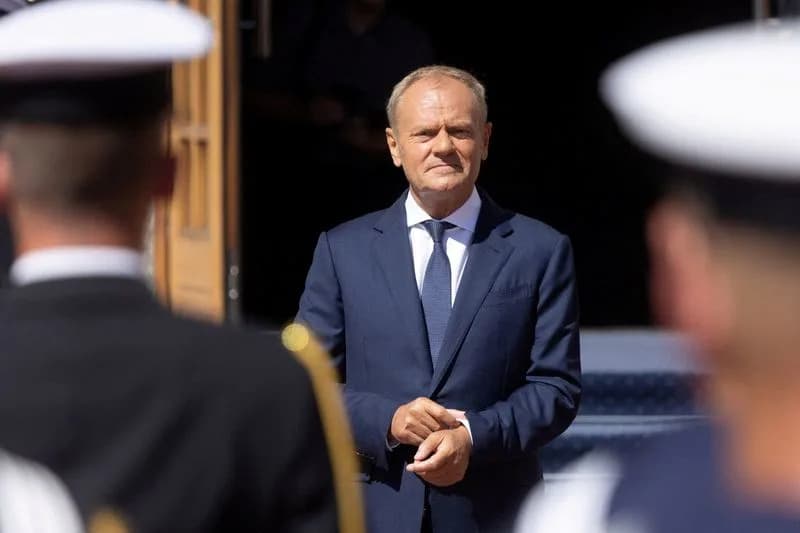
“We Germans need a strong Poland as an equal partner,” German Chancellor Friedrich Merz said in Berlin after meeting Poland’s Prime Minister Donald Tusk in December. “This is in our fundamental interest.”
NATO ties and regional defence
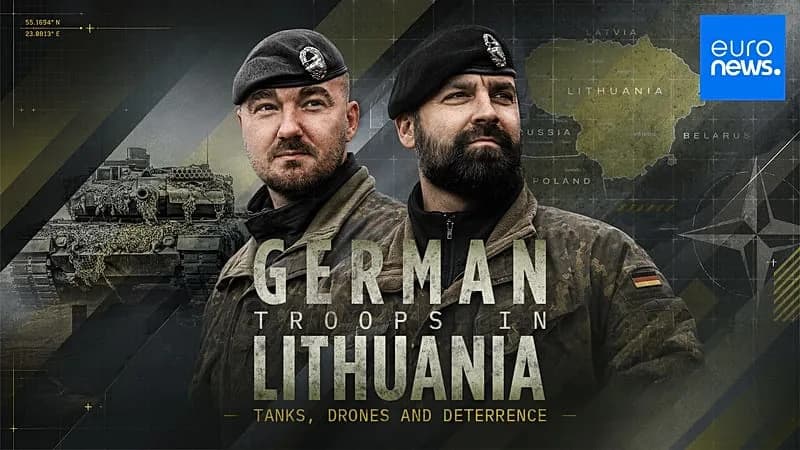
The two countries are already closely linked through NATO defence plans, which assign Germany a central role in protecting the Baltic region alongside Poland and other central and eastern European allies. Analysts say Germany cannot fulfil that responsibility effectively without robust cooperation with Warsaw.
Domestic politics and lingering tensions
Political sensitivities remain. Unlike the bilateral treaties Poland concluded with France and the U.K., the German-Polish agreement will avoid political mutual-defence clauses and will concentrate on technical and logistical cooperation. Residual tensions from history — including a past demand by Poland’s former government for $1.3 trillion in World War II reparations from Germany — and upcoming Polish elections could complicate public debate and diplomatic optics.
Polish leaders have been vocal about wanting a seat at discussions over Ukraine’s future; Prime Minister Tusk warned that arrangements made without Poland’s participation would not be binding for Warsaw. Former German diplomats and regional experts say Poland’s influence within Europe and NATO has grown and should be respected accordingly.
What to watch next
Observers will watch the final text for operational commitments on logistics, basing and cyber cooperation, and for how both governments manage domestic political narratives ahead of Poland’s general election. The agreement could mark a durable step toward deeper German–Polish defence integration — if both sides navigate historical sensitivities and political rivalries carefully.
Kirsten Grieshaber and Kerstin Sopke in Berlin contributed to this report.
Help us improve.