
Key Takeaway: Vice President J.D. Vance said Iran has not agreed to stop uranium enrichment, though the deal calls for eliminating the current enriched stockpile. Technical terms will be negotiated over the next month or two. President Trump called the recovered material low in monetary value but "psychologically" important. Early comments from lawmakers and intelligence officials also raised doubts about how active Iran's enrichment was at the conflict's outset.
Vance Acknowledges Iran Deal Doesn’t Require Ending Uranium Enrichment; Trump Calls Seized Material 'Psychologically' Important
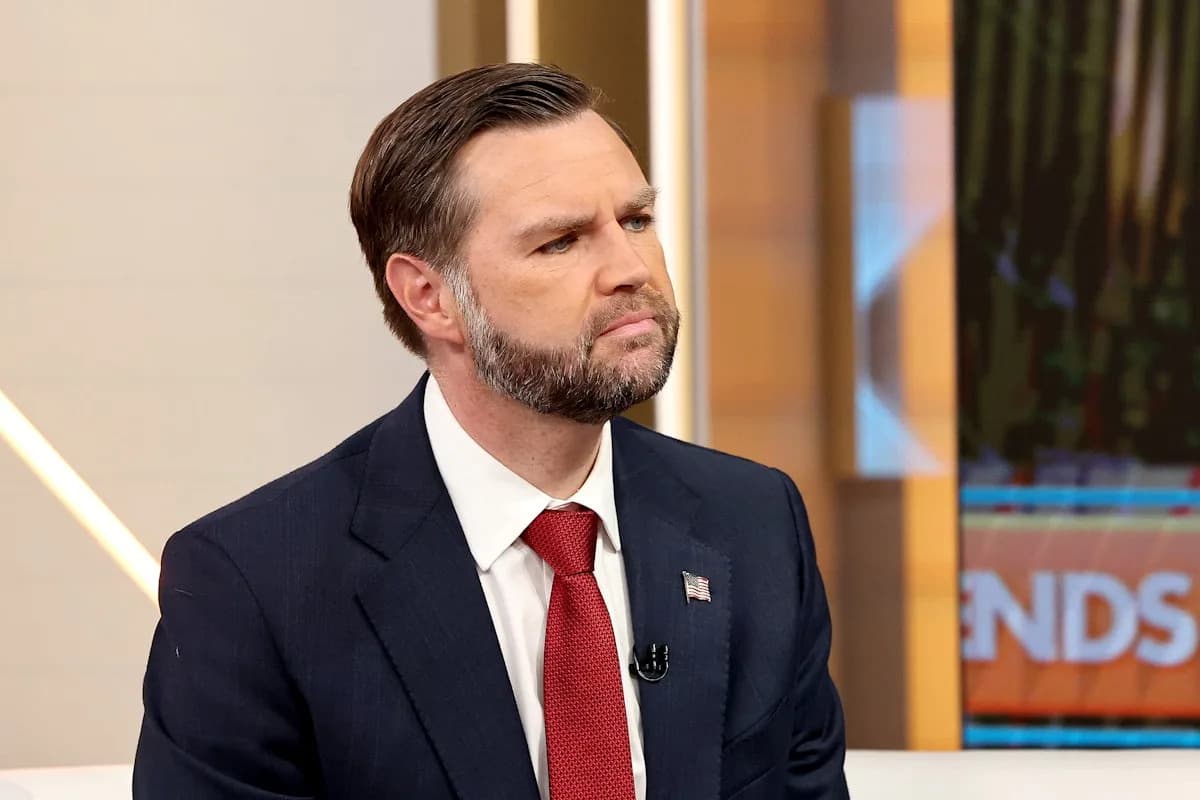
Vice President J.D. Vance acknowledged that Iran has not committed to halting uranium enrichment — a central demand of the Trump administration’s agreement with Tehran.
In a Monday night interview on Fox News' Hannity, Vance was asked whether Iran had agreed to stop enrichment. He replied:
"They're agreeing right now to eliminate the enriched stockpile. And, if they don't get to a point where they agree to stop enriching, then they don't get any other benefits of the bargain."
Vance added that the arrangement still requires detailed technical work: "A lot of the technical details we're gonna figure out over the next month, over the next two months, but the basic structure is they can get a lot if they comply with the United States' demands."
Throughout early negotiations and the initial phases of the conflict, President Donald Trump repeatedly framed ending Iran's uranium enrichment program as a key objective. Reporting and statements from U.S. officials, however, indicate that the current agreement emphasizes removing Iran's existing enriched material — described in some accounts as collecting Iran's nuclear "dust" — more than an immediate, enforceable halt to all enrichment activities.
At the G7 summit in France, President Trump downplayed the material's monetary value, saying: "You could make the case, 'Why even bother? Because it's not really valuable, it's probably half a million dollars' worth. It's not very valuable stuff. But I think, psychologically, we want to get it.'"
Those comments underscore that the deal's immediate payoff may be more symbolic than technical: removing traces of enriched material could have political and psychological value even if it does not permanently end enrichment capabilities.
There is also uncertainty about how active Iran's enrichment activities were at the outset. Early remarks from Sen. Marco Rubio and subsequent statements by several U.S. intelligence officials suggested Tehran did not present an imminent nuclear threat at that time.
In short, Vance's remarks indicate the administration has not secured a firm commitment from Iran to cease enrichment; instead, the question has been deferred to further technical negotiations over the coming weeks.
Help us improve.





















