The UNHCR warns that nearly 2.4 million refugees will need urgent resettlement by 2027, while available places fall hundreds of thousands short. Resettlement programmes have been cut in many countries, leaving only about 37,000 people resettled in 2025 (down from 116,000 in 2024); Canada took the largest share. UNHCR expects a roughly 6% decline in registered needs for 2028, driven partly by returns to Syria and forced repatriations of Afghans — the latter reducing registrations rather than signalling improved conditions.
UN Warns of Large Global Shortfall in Refugee Resettlement by 2027
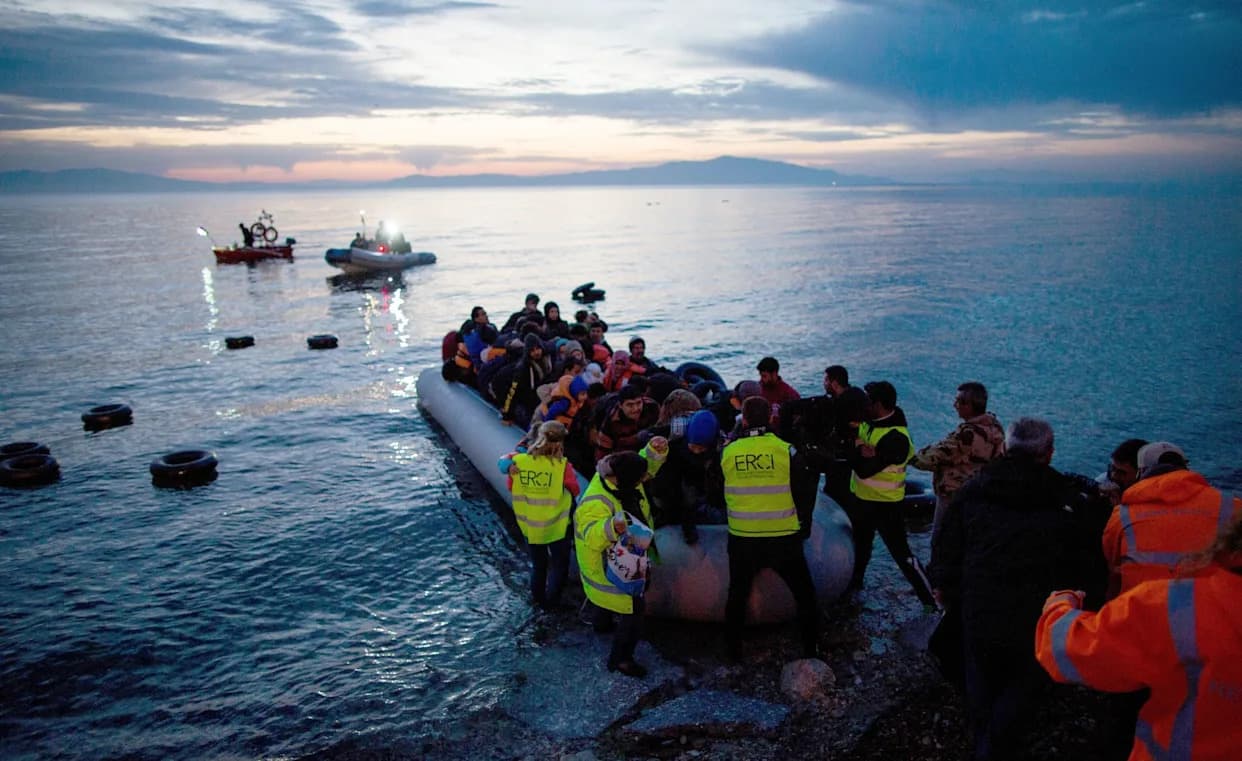
FILE PHOTO - Refugees arrive in an inflatable boat on the Greek island of Lesbos near the port city of Mitilini. (is associated with: «UN warns of major global shortfall for refugees needing new homes») Kay Nietfeld/dpa
Nearly 2.4 million refugees worldwide are projected to need urgent resettlement by 2027, the United Nations High Commissioner for Refugees (UNHCR) warned in a report released on Tuesday. These are people who cannot safely return to their countries of origin and who are either at risk or unable to obtain adequate support in their current host countries.
UNHCR says the number of available resettlement places falls short of projected needs by hundreds of thousands, as many countries have sharply reduced or paused their resettlement programmes.
Why the Gap Has Widened
Officials in several governments have increasingly argued that resources should prioritise people who remain displaced inside or close to their home countries rather than expanding third-country resettlement. As a result, only about 37,000 refugees were resettled in 2025, down from 116,000 in 2024.
Canada accepted the largest share in 2025, taking in nearly 12,000 refugees, followed by Australia, the United States, France and New Zealand, according to UNHCR data.
"Many states have reduced or suspended resettlement pathways at a time when the need for durable solutions is growing," said Jackie Keegan, head of UNHCR's Office of Sustainable Solutions.
Who Is Prioritised
UNHCR says people identified for resettlement typically include refugees with serious medical conditions that cannot be treated in host countries, and women who have been forced into sexual exploitation and then rejected by their families and communities.
Outlook for 2028
UNHCR projects that global resettlement needs will ease by about 6% in 2028 compared with 2027. Part of that decline reflects changing conditions in Syria, where more returns have been recorded since President Bashar al-Assad's government was toppled in December 2024. However, UNHCR cautioned that the lower 2028 estimate also reflects the forced return of hundreds of thousands of Afghans from countries such as Iran and Pakistan — a factor that reduces the number registered as needing resettlement rather than indicating any real improvement in humanitarian conditions.
The agency emphasises that reduced registrations caused by forced returns should not be interpreted as improved safety or access to durable solutions for displaced people.
Help us improve.