Israeli right-wing media have attacked Jared Kushner and Steve Witkoff for their reported involvement in a U.S.-Iran memorandum, accusing them of abandoning Israel by endorsing a deal that postpones core nuclear, missile, and proxy issues. Channel 14 hosts led the criticism, using strong language and alleging outside pressure influenced the envoys. Prime Minister Benjamin Netanyahu said Israel would continue to act to prevent Iran from obtaining nuclear weapons and indicated it does not consider itself bound by parts of the accord. The episode marks a sharp reversal in public sentiment toward Kushner and Witkoff in parts of Israel.
'Sold Their Brothers': Israeli Right-Wing Media Blast Kushner and Witkoff Over US-Iran Deal
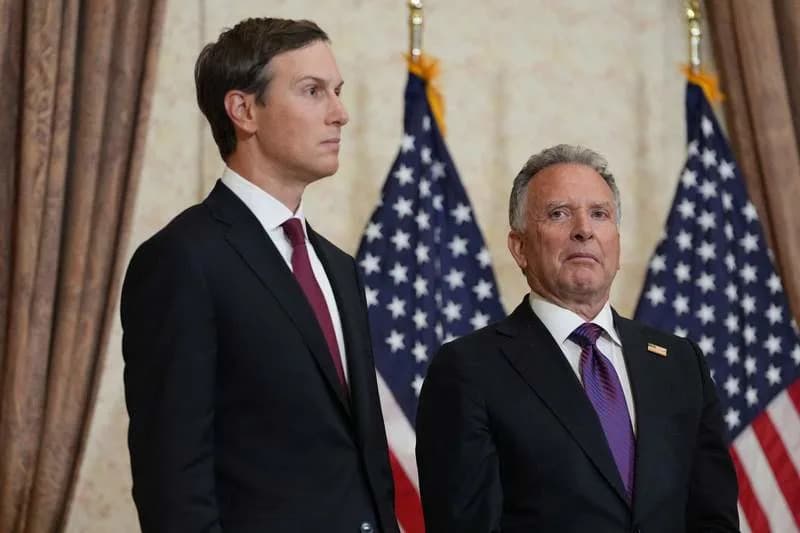
Jared Kushner and Steve Witkoff, Special Envoy for Peace Missions listen as Vice President JD Vance speaks during a news conference after meeting with representatives from Pakistan and Iran, Sunday, April 12, 2026, in Islamabad, Pakistan. (photo credit: Jacquelyn Martin/Pool via REUTERS)
Israeli right-wing media figures have sharply criticized Jared Kushner and Steve Witkoff for their reported roles in a U.S. memorandum of understanding with Iran, accusing the two envoys of abandoning Israel at a critical moment and accepting a deal that defers the most sensitive security issues.
Background
The controversy erupted as details of the U.S.-Iran memorandum emerged. Critics say the deal prioritizes a short-term regional calm and the reopening of the Strait of Hormuz while postponing difficult questions about Iran’s nuclear program, missile capabilities, and support for regional proxy groups.
Fierce Media Backlash
Channel 14, a conservative Israeli television outlet with strong influence among right-wing viewers, led much of the public criticism. Anchor Tal Meir accused Kushner and Witkoff of "turning their backs on Israel 'at the moment of truth,'" and called them "losers" for endorsing a process seen as insufficient by many in Jerusalem.
"We are here, among other things, to defend you too... And you turn your backs on us like this? Simply losers." — Tal Meir, Channel 14
Host Yinon Magal also attacked the envoys on social media, alleging they acted under external pressure and "sold their brothers in Israel." The language reflects a broader emotional reaction on parts of the Israeli right, where the two men are judged both as American negotiators and, for some critics, as Jewish figures with an expected solidarity toward Israel.
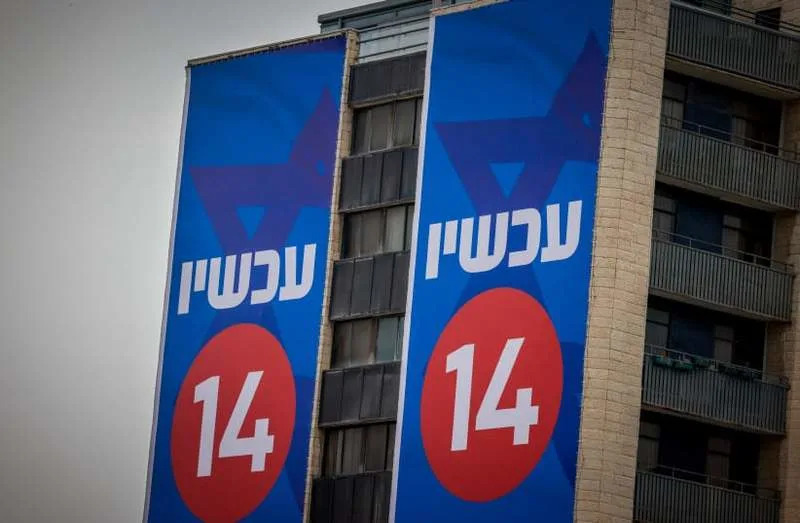
A large billboard sign channel 14 posted on a building in Jerusalem. August 14, 2023. (credit: CHAIM GOLDBERG/FLASH90)
Government Response And Security Concerns
Prime Minister Benjamin Netanyahu said Israel would continue to act to prevent Iran from acquiring nuclear weapons, regardless of the U.S.-Iran understanding. Israeli sources told Ynet that Netanyahu told President Donald Trump that Israel does not consider itself bound by the agreement's Lebanon clause and will continue operations that address Hezbollah threats.
What Critics Say The Deal Misses
According to Ynet and other Israeli commentators, the memorandum appears to fall short of four key demands Netanyahu had set out: removing Iran’s enriched uranium stockpiles, dismantling enrichment infrastructure, limiting missile production, and ending support for proxy groups. Critics say those objectives are not clearly guaranteed by the current framework.
Security officials quoted by Channel 14 warned that the arrangement rests on a fragile structure that addresses the immediate Hormuz crisis but leaves the core nuclear and missile threats for later negotiation.
Political Implications
The sharp tone from right-wing media marks a reversal from earlier praise for Kushner and Witkoff, who had been commended in some Israeli circles for their roles in hostage negotiations and other Trump-era Middle East initiatives. The current backlash signals growing frustration in parts of Israeli society with what many view as a rushed diplomatic process that may sacrifice long-term Israeli security concerns for a near-term regional de-escalation.
Conclusion
For now, the strongest public criticism of Kushner and Witkoff is coming from right-wing media rather than from official government spokespeople. Still, the barbs reflect a meaningful shift in perception: once seen as trusted channels to Washington, the two envoys are now cast by critics as symbols of a policy that prioritizes a diplomatic quick win over Israel's declared strategic red lines.
Help us improve.