Germany has opened a centralised centre in Berlin to coordinate police, intelligence and other agencies against hybrid threats, including cyberattacks and drone incursions. Officials say Russia is responsible for the largest share of such threats, with an increase in suspected Chinese activity. Sinan Selen warned that attackers mix physical operations with cyber strikes and low‑level agents. The Cabinet has backed plans to broaden online powers and allow more proactive countermeasures, a move that will likely prompt debate over oversight.
Germany Opens New Berlin Centre to Counter Rising Hybrid Threats
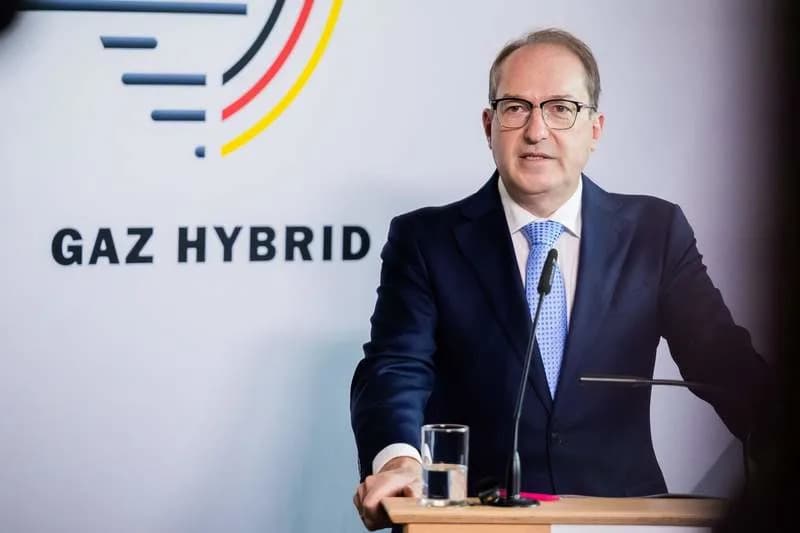
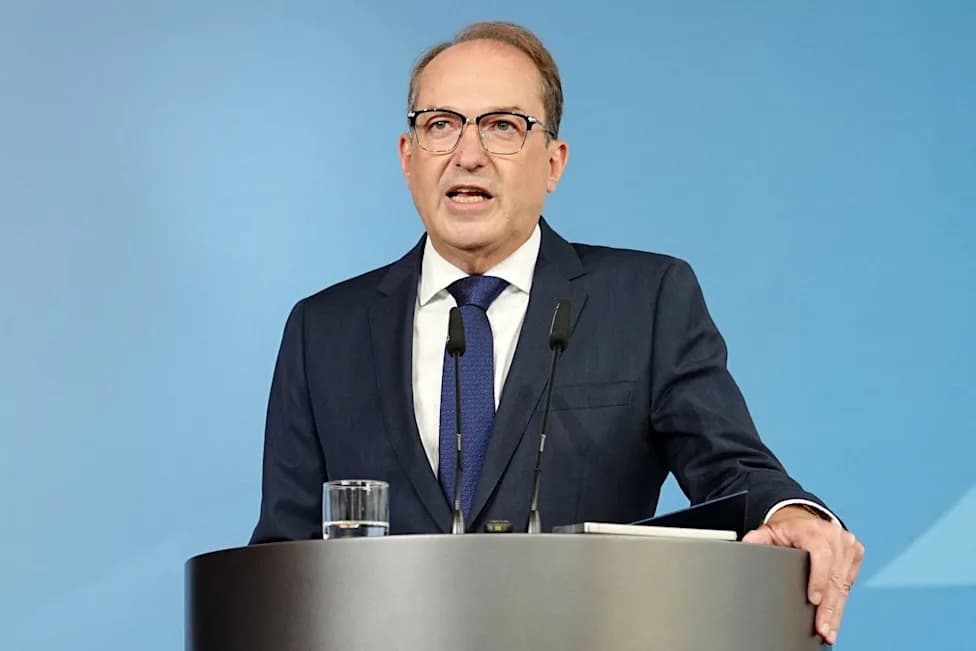
Alexander Dobrindt, German interior minister, speaks at the inauguration of the Joint Centre for Countering Hybrid Threats (GAZ Hybrid). The new center will be located on the premises of the Federal Office for the Protection of the Constitution in Berlin-Treptow. (is associated with: «Germany opens centre dedicated to defending against hybrid threats») Christoph Soeder/dpa
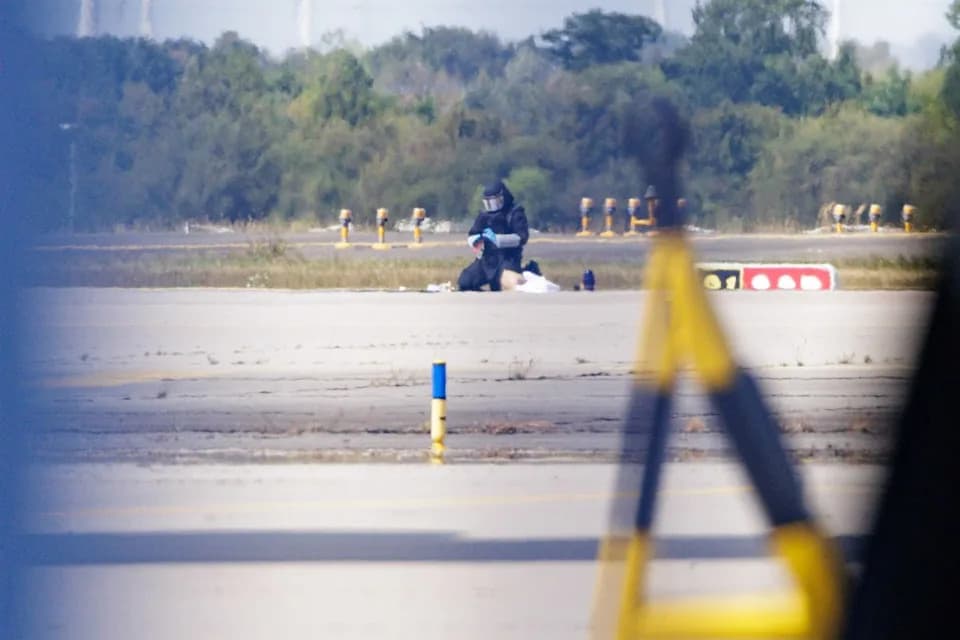
German Interior Minister Alexander Dobrindt on Tuesday inaugurated a new centre in Berlin dedicated to detecting and defending against hybrid threats as Europe faces an uptick in cyberattacks, drone incursions and other covert operations linked to state actors.
Purpose and Structure
The facility will co‑locate police, domestic and foreign intelligence services and other authorities to improve real‑time information sharing and enable a more coordinated, rapid response to potential threats. Officials say bringing agencies together in one centre will reduce duplication and speed decision‑making during complex incidents.
What Constitutes a Hybrid Threat?
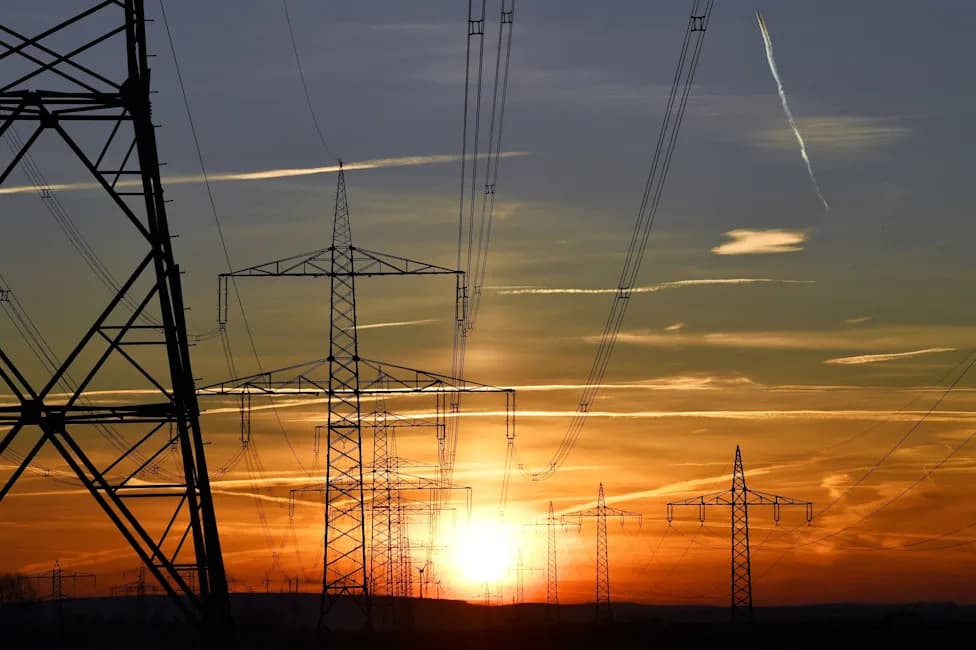
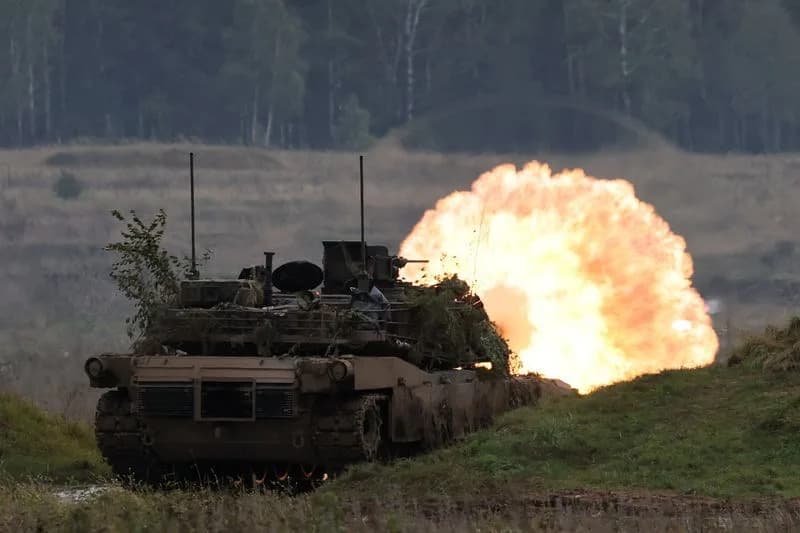
Hybrid warfare blends military, economic, intelligence and propaganda tools. Examples include efforts to destabilise governments by manipulating public opinion ahead of elections, state‑sponsored cyberattacks on critical infrastructure and coordinated disinformation campaigns.
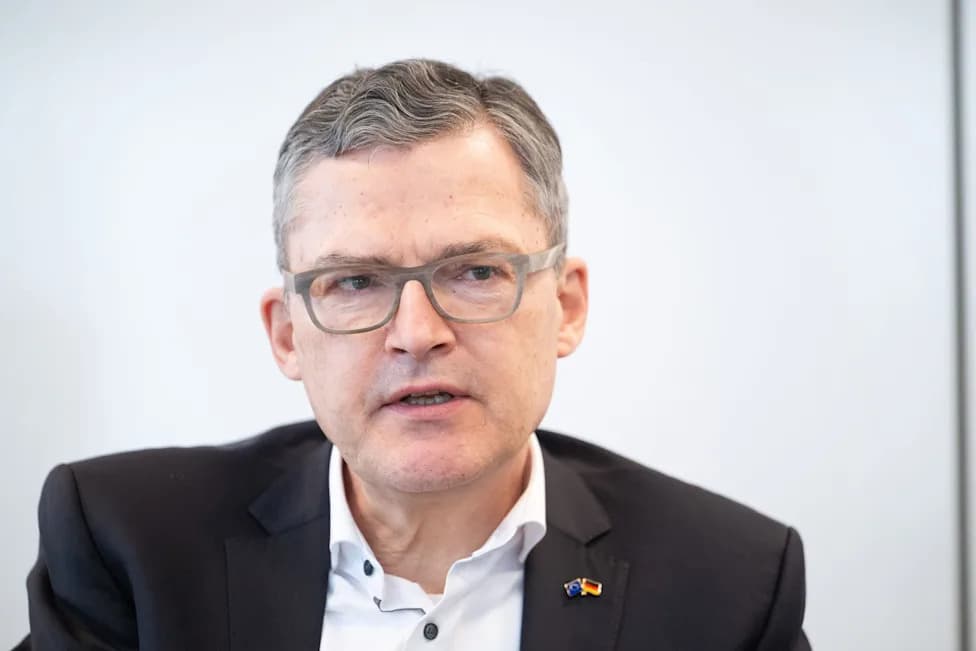
"Attackers combine on‑the‑ground operations with cyber strikes, deploying intelligence officers, criminal groups and even 'low‑level agents'," said Sinan Selen, president of the Federal Office for the Protection of the Constitution.
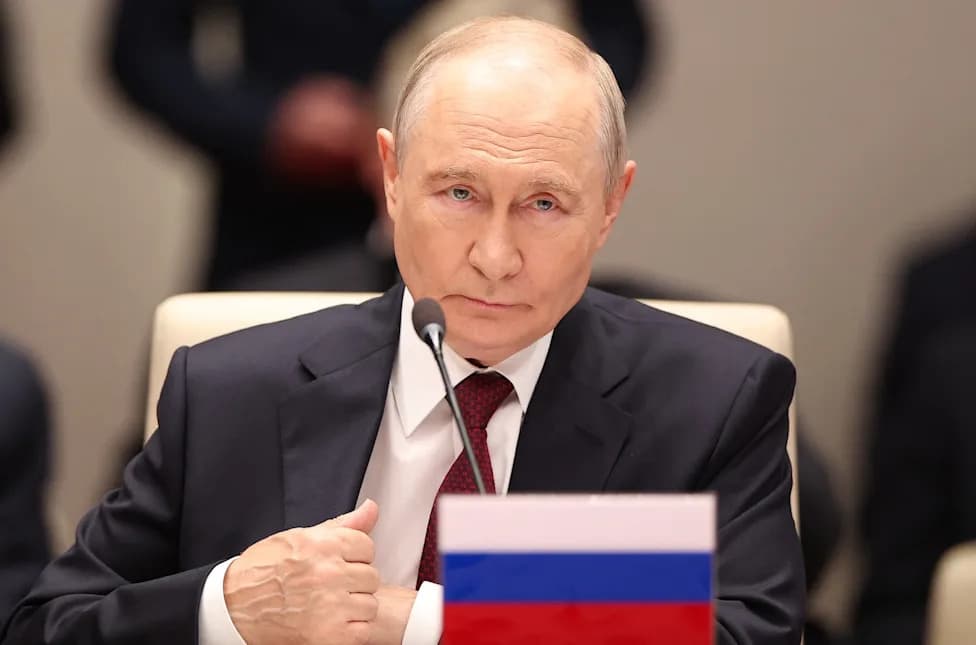
Germany's domestic intelligence service says Russia accounts for the largest share of identified hybrid threats, though officials have also recorded an increase in suspected activity by Chinese agents in recent years.
New Authorities and Oversight
Dobrindt said the Cabinet has agreed plans to expand the online powers of Germany's foreign and domestic intelligence agencies and to allow more proactive countermeasures, arguing the services should be equipped to act as full‑fledged secret services. He and other officials acknowledged that any expansion of powers will need clear legal boundaries and oversight to protect civil liberties.
Significance: The centre reflects growing European concern about blended threats that combine physical, digital and information operations. Co‑location of agencies aims to strengthen resilience, though the proposed increases in surveillance and proactive capabilities are likely to prompt public and parliamentary debate about safeguards and accountability.
Help us improve.