The NCERT has withdrawn an edited photograph of the Dancing Girl statuette from a grade nine Arts Education textbook after historians and educators condemned the torso being shaded out. NCERT director Dinesh Saklani said the original image will be restored in digital copies and future print runs. The move reignited debate over how schools should present historical artefacts under the new Arts Education Series tied to India’s National Education Policy.
After Outcry, NCERT Restores 'Dancing Girl' Torso in Grade 9 Textbook
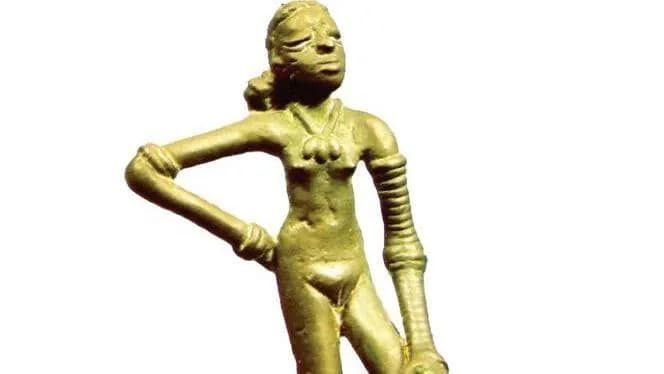
The Dancing Girl is a bronze figurine discovered in Mohenjo-daro dating back to 2600 BCE [NCERT]
An edited image of the famed Bronze Age figurine known as the Dancing Girl from Mohenjo-daro has been replaced with the original photograph in NCERT's grade nine Arts Education textbook after historians and educationists raised strong objections.
What Happened
A recently published volume in the National Council of Educational Research and Training (NCERT) Arts Education Series reproduced the Dancing Girl statuette with its torso shaded out, obscuring anatomical details. The altered image provoked immediate criticism from academics, museum professionals and educators, who described the edit as an unnecessary sanitisation of an important archaeological artefact.
Official Response
NCERT director Dinesh Saklani told reporters that, following consultations with experts, the edited picture would be withdrawn and the original image restored in the digital edition, with future print runs to carry the unedited photograph.
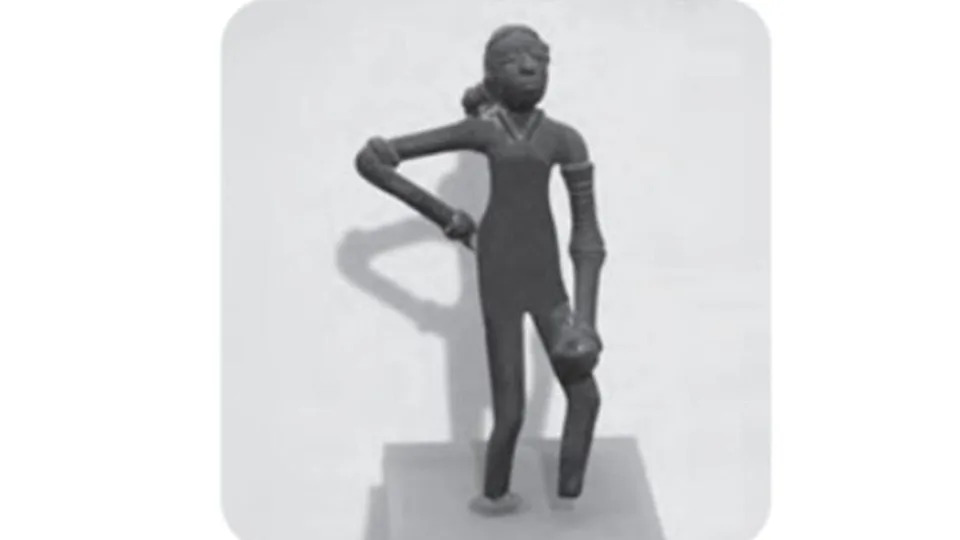
A new textbook showed the figurine with its torso covered in dark shading [ANI]
"Following consultations with experts, the department is replacing the image of the Dancing Girl with its original version," the NCERT director said.
Why It Matters
The Dancing Girl, discovered at Mohenjo-daro and held in the National Museum in Delhi, is one of the most recognisable relics of the Indus Valley civilisation. The small bronze figure—adorned with ornaments and shown in a poised, dynamic stance—has long been celebrated for its artistic value and as evidence of advanced metallurgical skills.
Critics argued that censoring the statuette undermines educational aims by sanitising history and conveying a limited view of art, gender and cultural heritage to students. Media reports speculated the change may have been motivated by concerns about nudity, but NCERT has not offered an official explanation for why the image was modified in the first place.
Context
The textbook is part of NCERT's new Arts Education Series, introduced under India’s National Education Policy to integrate visual, performing and literary arts into mainstream schooling. The controversy highlights tensions between curriculum design, cultural sensibilities and scholarly standards for presenting historical objects.
The BBC and other outlets contacted NCERT for comment; the Indian Express first reported the alteration and published an editorial arguing against sanitising the past and urging greater trust in students and women to engage with historical realities.
Help us improve.