The Alabama GOP runoff pits Trump-backed Rep. Barry Moore against former Navy SEAL Jared Hudson for the party’s U.S. Senate nomination to replace Tommy Tuberville. Moore leads on conservative credentials and Trump’s endorsement; Hudson emphasizes outsider status and combat service. Democrats Everett Wess and Dakarai Larriett also advance to a runoff, and multiple statewide and congressional contests could be reshaped by a newly approved, GOP-favoring map.
Trump-Backed Rep. Barry Moore Faces Ex-Navy SEAL Jared Hudson In Pivotal Alabama GOP Senate Runoff
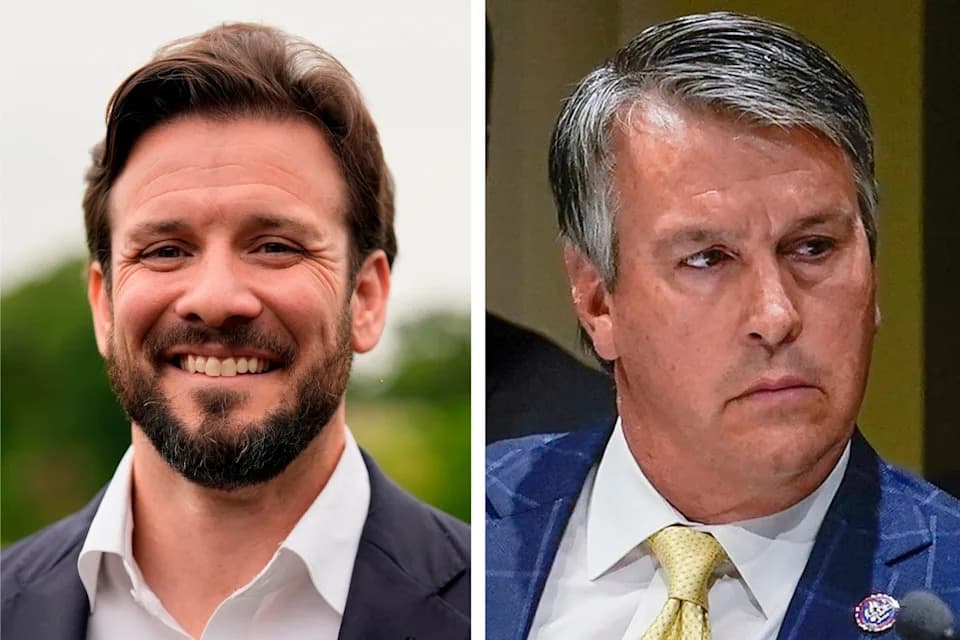
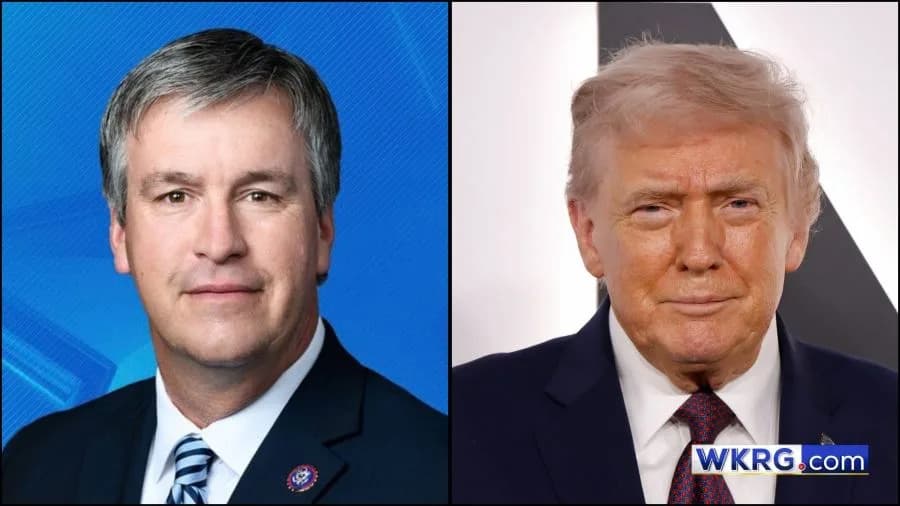
FILE - This combination of photos shows Republican candidates for U.S. Senate Jared Hudson, left, on May 7, 2026, in Enterprise, Ala., and Rep. Barry Moore, right, on April 17, 2023, in New York. (AP Photo, File)(AP Photo/undefined)
An Alabama congressman endorsed by former President Donald Trump is seeking to fend off a political outsider in Tuesday's Republican runoff for the state's open U.S. Senate seat.
U.S. Rep. Barry Moore, a three-term congressman and member of the conservative House Freedom Caucus, is competing against former Navy SEAL Jared Hudson for the GOP nomination to replace Sen. Tommy Tuberville, who is running for governor. Moore led the May primary with nearly 40% of the vote to Hudson’s roughly 25% and is highlighting his conservative record and Trump’s endorsement.
Trump has repeatedly praised Moore:
"Barry Moore has my complete and total endorsement. He's the best America First candidate you can imagine,"and Moore has leaned on that backing as proof of his alignment with the former president.
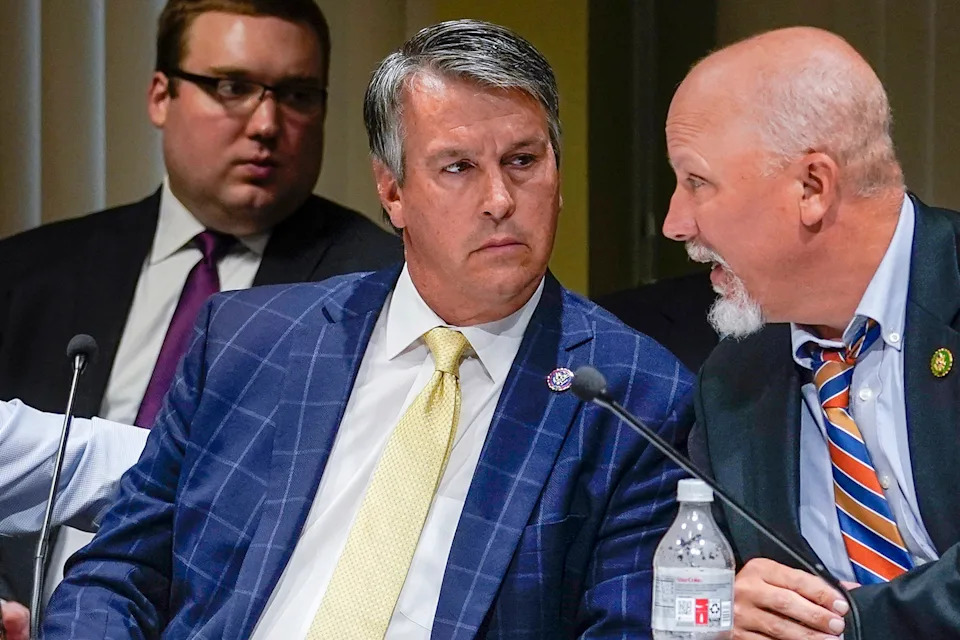
FILE - Rep. Barry Moore, left, and Rep. Chip Roy, R-Texas during a House Judiciary Committee Field Hearing, April 17, 2023, in New York. (AP Photo/John Minchillo, File)(AP Photo/John Minchillo)
Hudson has cast himself as an outsider to Washington politics, criticizing Moore’s ties to the capital and promising to bring a different approach to the Senate. A decorated combat veteran, Hudson has contrasted his lack of a legislative record with his military service, joking that his scorecard is "against the Taliban in over 60 combat operations."
What’s at Stake
The winner of the Republican runoff will be heavily favored in November in a state that currently has Republicans in all statewide offices. The race is also a measure of the continuing influence of Trump endorsements in GOP primaries after his picks have mostly prevailed nationwide this year.
Democratic Side And Other Contests
On the Democratic side, attorney Everett Wess and small-business owner Dakarai Larriett advanced to a runoff after Wess led the initial primary with about 39% to Larriett's 29%. Wess emphasizes legal and municipal experience and has focused on inflation and household costs, while Larriett has highlighted criminal justice concerns and voting and reproductive rights.

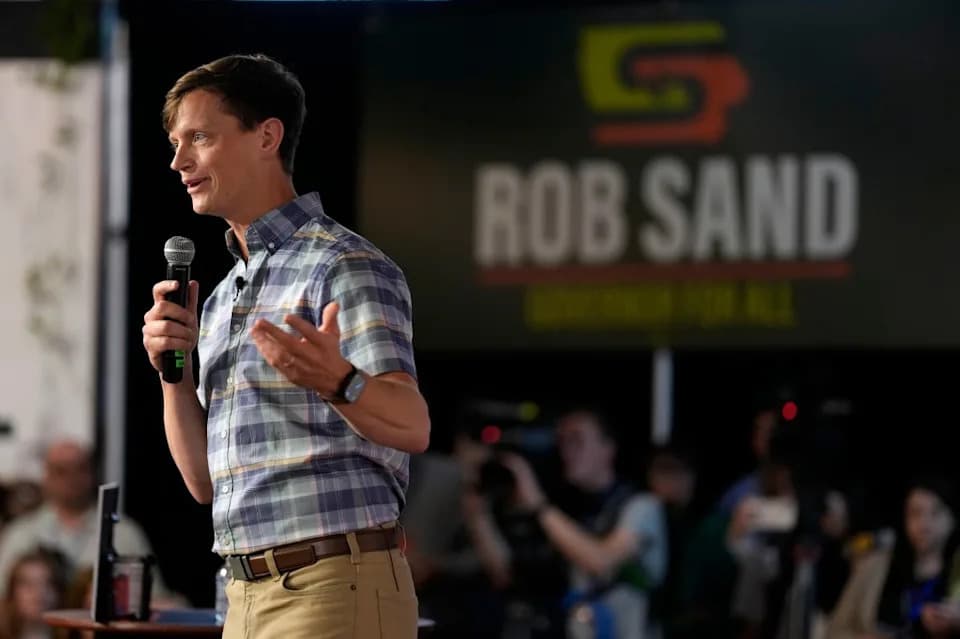
FILE - Republican candidate for U.S. Senate, Jared Hudson poses for a for a photo during the Stars of the State luncheon sponsored by the Wiregrass Republican Women, May 7, 2026, in Enterprise, Ala. (AP Photo/Mike Stewart, File)(AP Photo/Mike Stewart)
Several other competitive statewide contests are also on the ballot, including runoffs for lieutenant governor and attorney general. Republicans Wes Allen and former party chairman John Wahl are contesting the GOP lieutenant governor nod, while former Alabama Supreme Court Justice Jay Mitchell and Katherine Robertson are vying for the GOP attorney general nomination.
Redistricting And Broader Implications
Alabama will hold another round of congressional primaries in August after the U.S. Supreme Court allowed the state to adopt a new congressional map that many observers say favors Republicans. Special primaries will decide nominations in the 1st, 2nd, 6th and 7th districts. The changes could reshape competitive races, including efforts to flip the 2nd Congressional District currently held by Democratic Rep. Shomari Figures, and may have implications for control of the narrowly divided U.S. House.
Critics note that Alabama’s rapid redrawing of U.S. House boundaries followed a Supreme Court decision that significantly weakened portions of the Voting Rights Act, prompting debate about representation and race in the state’s politics.
Bottom line: Tuesday’s runoffs will test Trump’s sway with Alabama GOP voters, determine the Republican standard-bearer in a deep-red state, and shape the matchup lines for the fall elections across several key districts.
Help us improve.