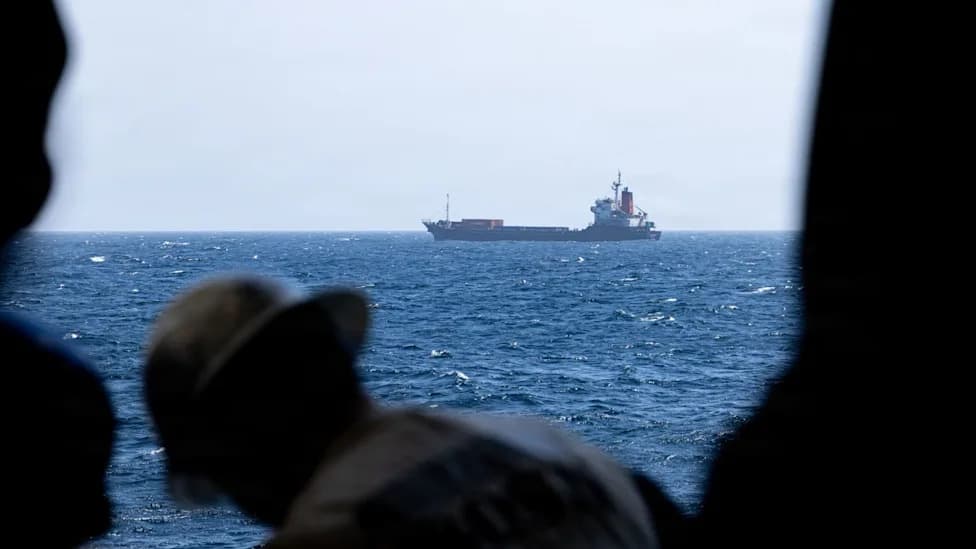
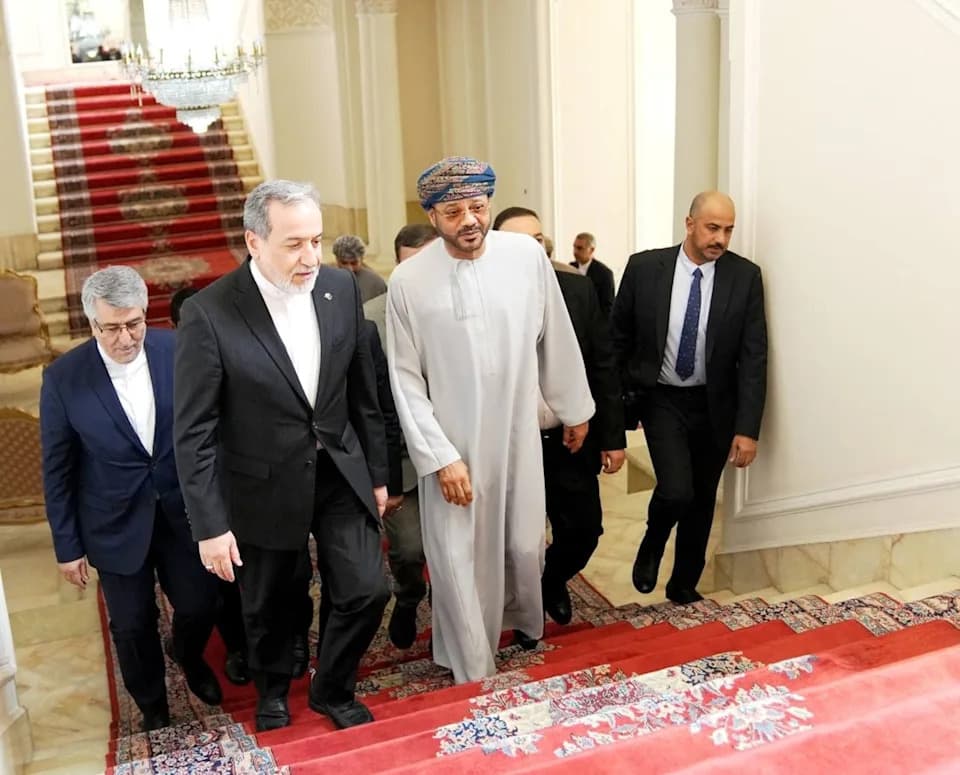
The U.S.’s allies are proposing a defensive naval operation to clear mines and, if needed, escort commercial vessels through the Strait of Hormuz after a tentative U.S.-Iran ceasefire. France and the U.K. have led planning and offered assets including surveillance flights, frigates and the carrier Charles de Gaulle. The mission emphasizes mine clearance and reassurance for shippers and insurers, though analysts say a sustained ceasefire would reduce its necessity.
Inside the Allied Plan to Clear Mines and Escort Ships Through the Strait of Hormuz
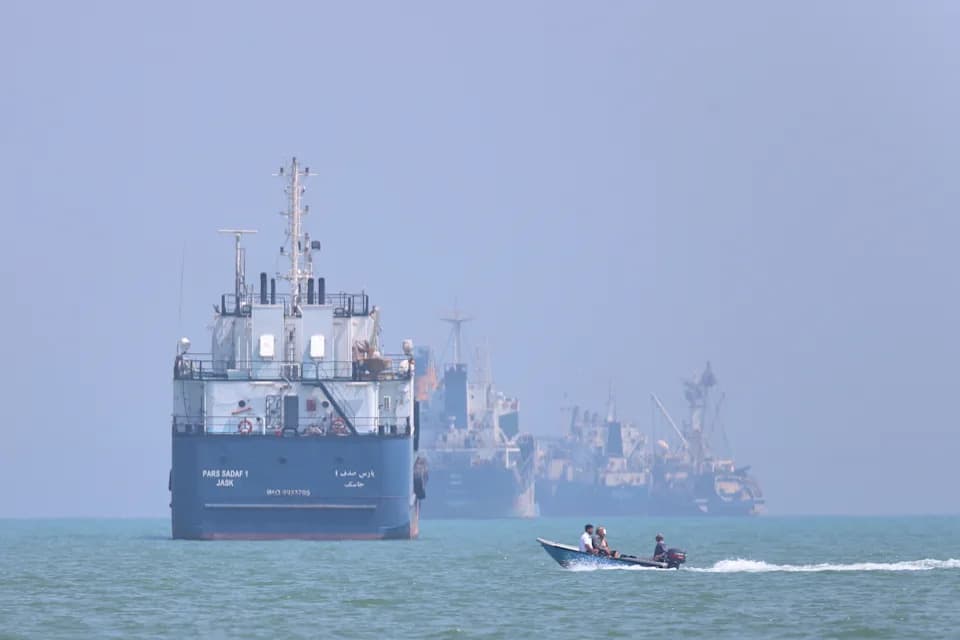
A small motorboat passes anchored vessels in the Strait of Hormuz off Bandar Abbas, Iran, Thursday, June 11, 2026.(Amirhosein Khorgooi/ISNA via AP)(AP Photo/Amirhosein Khorgooi)
EVIAN-LES-BAINS, France — U.S. allies are proposing a coordinated naval operation to reopen the Strait of Hormuz following a tentative U.S.-Iran ceasefire. The planned mission would focus on mine clearance and, if required, defensive escorts to reassure ship crews, insurers and global energy markets that the narrow waterway can be navigated safely.
What Allies Are Proposing
France, the United Kingdom and other partners have been developing the concept for months. In public comments, French President Emmanuel Macron suggested warships could escort tankers and container vessels through the strategic chokepoint once hostilities subside. Allies describe the operation as strictly defensive and independent, aimed at restoring unconditional and unrestricted freedom of navigation.
Who Would Participate
The initial statement welcoming the framework ceasefire was issued by France, the U.K., Germany, Japan and Italy, and was later joined by Canada; together with the United States these are G7 nations. France and Britain have led planning and have engaged a wide group of partners — from European states to Australia, South Korea, Japan and Gulf partners such as Bahrain and Qatar. A recent meeting convened by Paris and London drew representatives from 38 countries.
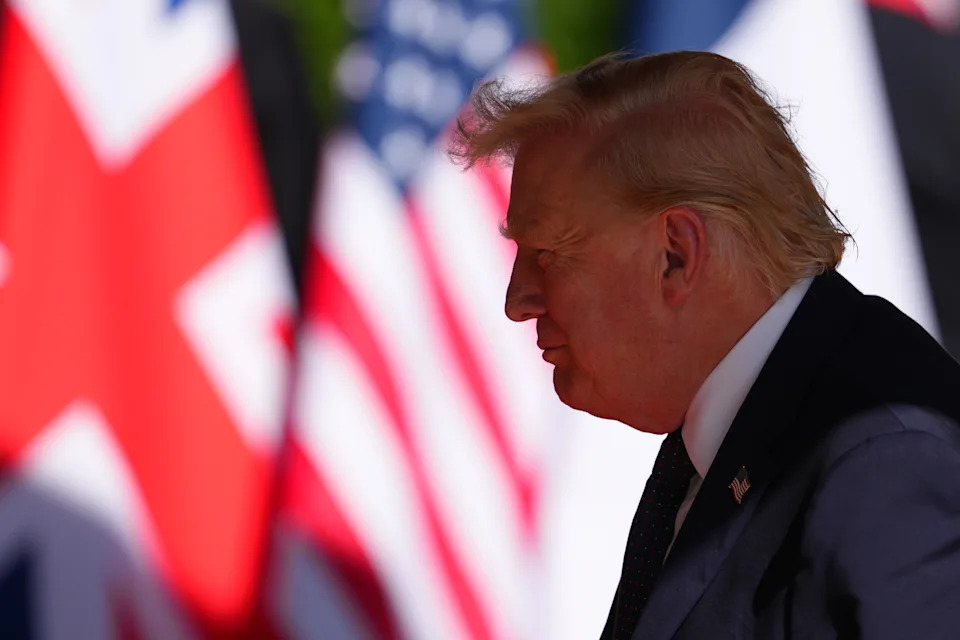
U.S. President Donald Trump arrives for the G7 summit in Evian-les-Bains, France, Monday, June 15, 2026. (AP Photo/Vadim Ghirda)(AP Photo/Vadim Ghirda)
Assets And Capabilities
France’s nuclear-powered aircraft carrier, Charles de Gaulle, is already in the region. President Macron told U.S. President Donald Trump that French fighter jets could begin observation flights within days, followed by frigates and potentially the carrier if requested. The U.K. has showcased specialist mine-countermeasure expertise aboard the Royal Fleet Auxiliary ship RFA Lyme Bay while awaiting deployment.
Mine-countermeasure vessels would detect and neutralize a range of threats: rocket-propelled mines, wired mines and seabed mines that can be triggered by sound, movement or light. If necessary, allied warships would also provide defensive escorts to deter attacks and protect merchant vessels.
Operational Context And Risks
Allied navies already have recent experience escorting commercial ships through hostile environments. In the Red Sea, French, U.S. and British vessels defended cargo ships from missile and drone attacks by Iran-backed Houthi rebels. In 2024, the French frigate Alsace intercepted three ballistic missiles while escorting a container ship — an episode that commanders described as tense and exhausting for crews.

French President Emmanuel Macron visit security force ahead of the G7 summit in Evian-les-Bains, France, Monday, June 15, 2026. (AP Photo/Christophe Ena) CORRECTION: Corrects all details due to copy/paste error(AP Photo/Christophe Ena)
Analysts caution that if the ceasefire holds, the need for a large-scale naval mission may diminish. Still, a visible allied presence could raise the political and practical costs of renewed hostilities, reassure Gulf states, and help insurers and shipping companies assess risk.
“Once there is a ceasefire, the need for a naval mission is significantly reduced,” said Max Bergmann of the Center for Strategic and International Studies. “But a U.K.-French naval presence would likely provide security benefits and reassure commercial actors.”
Next Steps
Planners say deployments would be calibrated to demand and only move forward if requested by partners in the region. Initial actions could include surveillance flights and mine-clearance operations, with escort ships plugged in as needed to protect transits while the strait is declared safe for unrestricted navigation.
Associated Press writer Sylvie Corbet in Evian-Les-Bains contributed.
Help us improve.