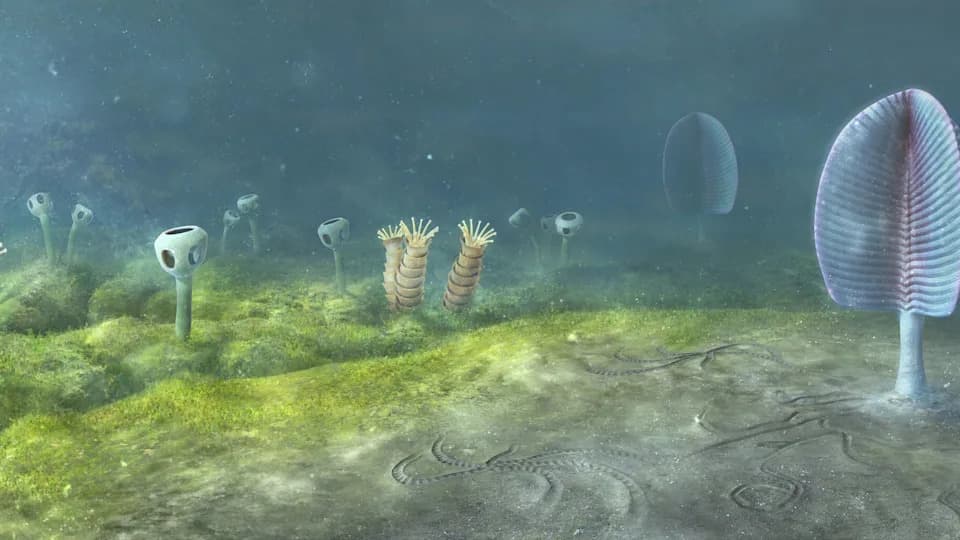
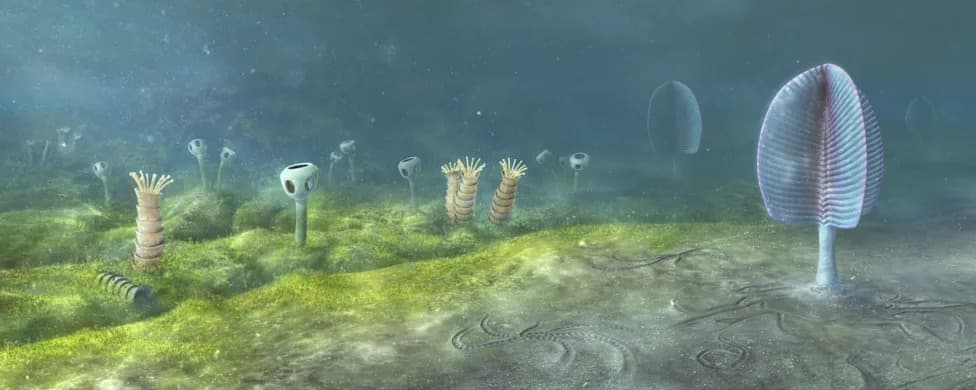
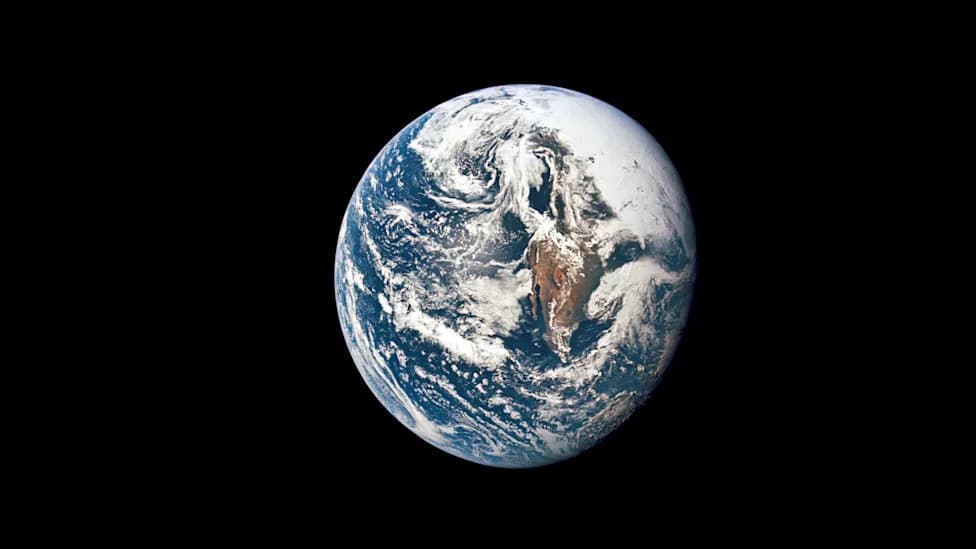
Geochemical analyses of ancient sediments from Siberia and South China reveal a light lithium isotope signature consistent with intense continental weathering more than 550 million years ago. The timing aligns with the Shuram Excursion in the Ediacaran and suggests rapid erosion of uplifted mountain belts flushed nutrients, oxidants and carbonate-forming ions into the oceans. Those shifts could have boosted productivity and oxygen and made conditions more favorable for early animals to form shells, though the causal link remains an interpretation.
Ancient Rocks Suggest Rising Mountains and Rapid Erosion Helped Early Animals Grow Shells
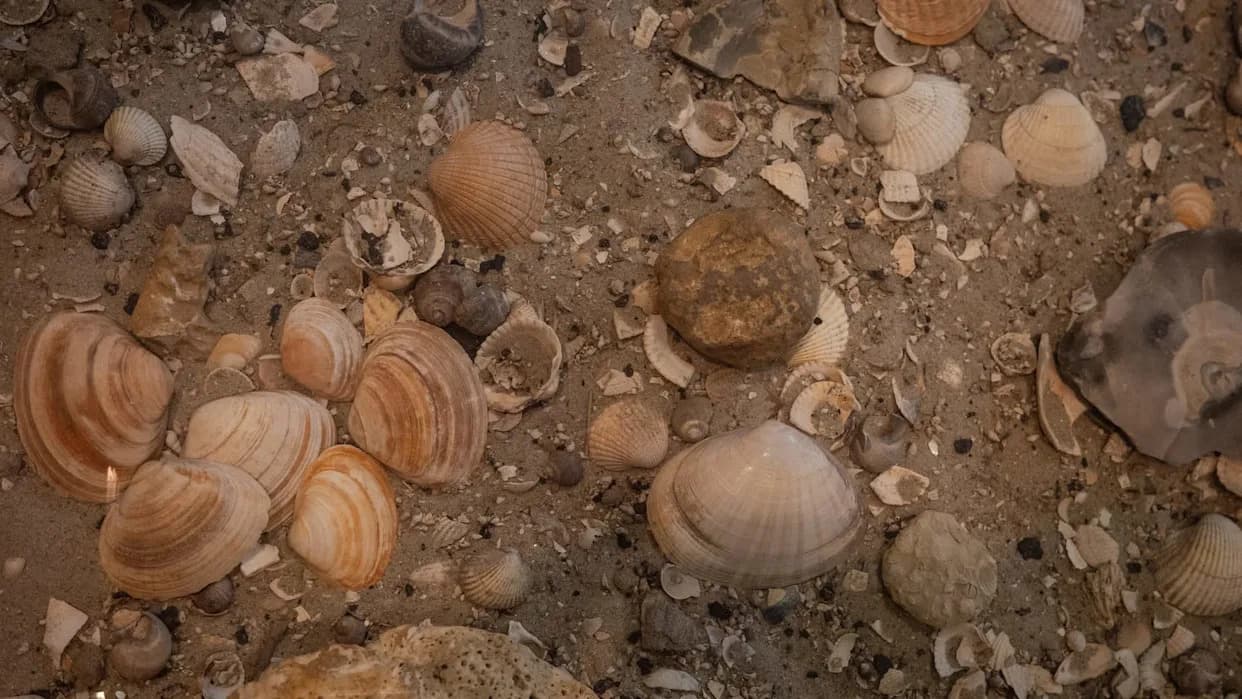
Photo Credit: iStock
A chemical fingerprint preserved in ancient marine sediments suggests that the uplift of mountain belts and unusually rapid erosion more than 550 million years ago altered ocean chemistry in ways that could have helped some of Earth's earliest shell-forming animals emerge.
What the Rocks Reveal
Researchers found the same distinctive, “light” lithium isotope signature in sedimentary rock sequences from Siberia and South China. That pattern differs from modern seawater and instead resembles the signature expected from freshly weathered continental rock, implying a large, terrestrially derived input to the oceans during the late Ediacaran Period.
How Scientists Came To This Conclusion
Geochemist Dr. Tian Gan (George Mason University) and colleagues measured lithium isotopes preserved in ancient sediments. Lithium isotope ratios are sensitive to the intensity of rock breakdown on land: rapid weathering and transport by rivers can flush lighter lithium into the oceans before it becomes locked up in soils and clays. The same signal appearing in geographically distant basins supports a global, rather than regional, shift.
Why This Matters For Early Animal Life
If newly uplifted mountain belts eroded intensely, the runoff would have delivered nutrients, oxidants and dissolved ions that promote carbonate precipitation. Those changes could have increased marine productivity, boosted local oxygen levels and raised the availability of carbonate components needed to form limestone and biological shells. In short, the altered seawater chemistry may have created more favorable conditions for animals able to biomineralize.
Context And Caveats
The work addresses the Shuram Excursion, a dramatic global carbon-isotope anomaly from the Ediacaran shortly before recognizable animals became widespread. The proposed link between a pulse of rapid weathering and the rise of shells and skeletons is plausible and supported by complementary studies (including independent evidence for oxygenation and transient oxidation in shallow seas), but it remains an interpretation rather than a proven causal chain.
Takeaway: Global lithium isotope signals point to an episode of intense continental weathering more than 550 million years ago that may have altered ocean chemistry in ways favorable to early biomineralizing animals—an intriguing but still-debated piece of the puzzle of early animal evolution.
Help us improve.