Overview: DHS Secretary Markwayne Mullin declined to rule out ICE presence at polling places, arguing agents would be deployed only for emergency law-enforcement needs — for example, bomb threats — and not for voter identification. He cited ICE’s Special Response Team training and past deployments near TSA checkpoints. Critics say using ICE in these contexts risks voter intimidation and appears politically motivated. The remarks coincide with separate disputes involving Governor Gavin Newsom and former President Trump's push to attach the SAVE America Act to a FISA extension.
Mullin Defends Possibility of ICE at Polls, Cites Emergency Response Role Amid Criticism
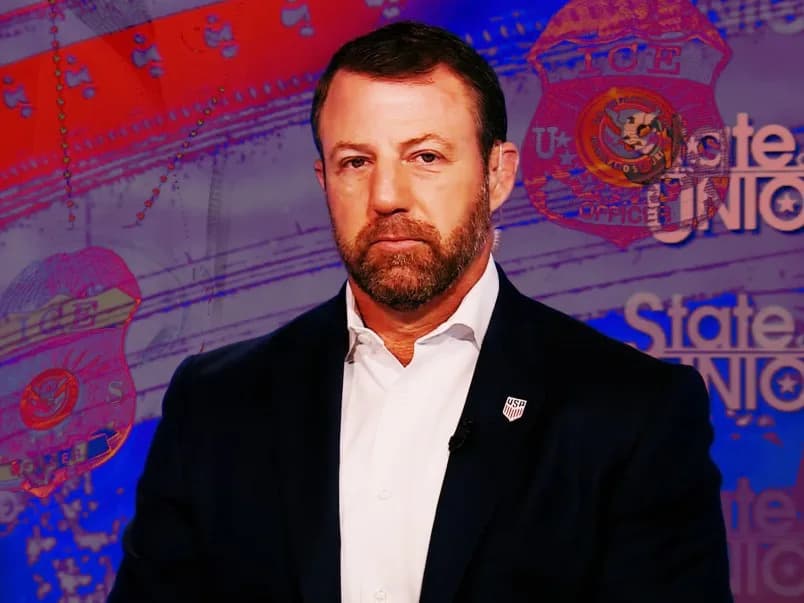
Department of Homeland Security Secretary Markwayne Mullin sidestepped a direct answer about whether Immigration and Customs Enforcement (ICE) could be deployed to polling places, arguing instead that agents would only be present to respond to law-enforcement emergencies rather than to monitor voters.
In a CNN interview with Kasie Hunt, Mullin framed the question as unnecessary if only U.S. citizens are voting: "Why would ICE be there? Because the only people who should be voting there is American citizens." When pressed about specific circumstances that might warrant a federal presence, he emphasized ICE’s rapid-response capabilities — including Special Response Team (SRT) training — and cited examples such as bomb threats.
ICE As A Rapid-Response Option
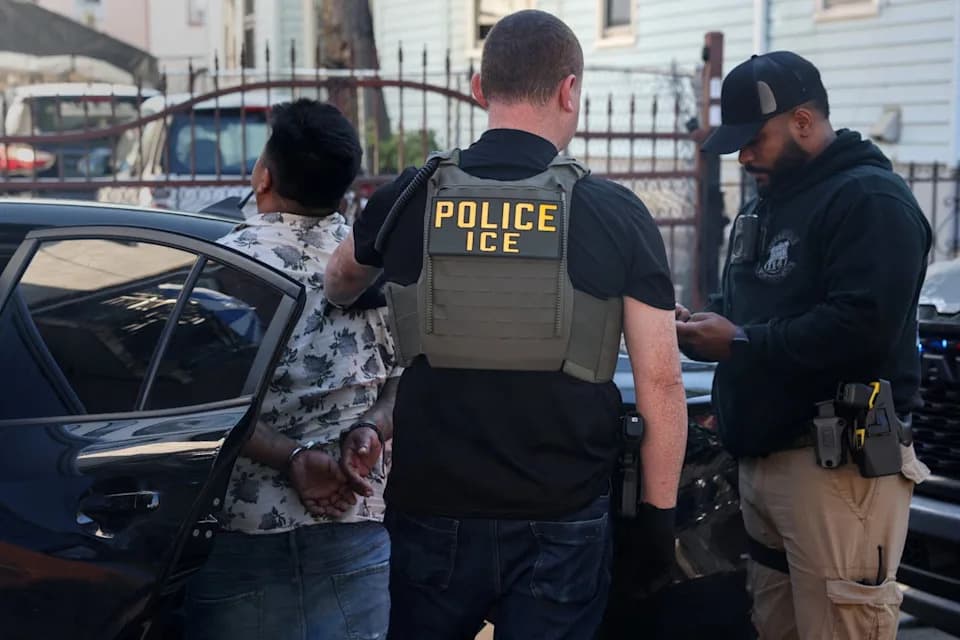
Mullin noted that ICE officers have been positioned in "soft areas" near Transportation Security Administration (TSA) checkpoints in the past, and suggested similar deployments could occur at polling stations if local authorities requested federal assistance for a security threat. He said any federal involvement would be coordinated with local law enforcement and purportedly not for voter-identification or immigration-enforcement purposes.
“The only reason why we would be there is not for voter identification. It’d be because law enforcement is needed,” Mullin said, adding that ICE would not "show up on our own."
Why Some Critics Are Skeptical
Observers and critics questioned why ICE — a federal immigration agency — would be the unit chosen to respond to polling-place threats instead of other federal or local tactical teams. Earlier this year, ICE deployments near airport security lines during a partial government shutdown were widely criticized as a political display rather than an operational fix for staffing and safety problems that had emerged during the shutdown.
Leaving open the possibility that ICE could be called to polling sites is viewed by some Democrats and journalists as an evasive response that does little to reassure voters who fear intimidation at the ballot box. Supporters say the change of emphasis — from immigration enforcement to emergency response — underscores a legitimate public-safety role.
Related Political Tensions
The interview comes amid several political flashpoints: California Governor Gavin Newsom released a video alleging the Justice Department has probed people close to him — including his wife — which he characterized as politically motivated. Separately, former President Trump pushed Republicans to attach his SAVE America Act, a restrictive voter-ID measure critics say would disenfranchise millions, to legislation extending FISA Section 702 surveillance authorities. Senate Republican leaders described that strategy as unrealistic.
As the debate continues, the central questions remain: under what circumstances would ICE be considered an appropriate responder at polling places, who would authorize such deployments, and how can officials guarantee that voter access and confidence are protected?
Help us improve.