A U.S. export-control letter blocked non-U.S. access to Anthropic’s Fable 5 and Mythos 5, prompting the company to take both models offline. The unpublished directive cited national-security concerns but gave no specifics. Cybersecurity experts, including Katie Moussouris, say the reported guardrail bypass described in a private research draft should not have triggered an export-control response and that attempts to "fix" such behavior risk undermining defensive capabilities. Critics warn the move is heavy-handed, possibly retaliatory, and sets a troubling precedent for government control over U.S. AI.
U.S. Export Order Forced Anthropic Offline — Experts Say It Wasn’t About an AI ‘Jailbreak’
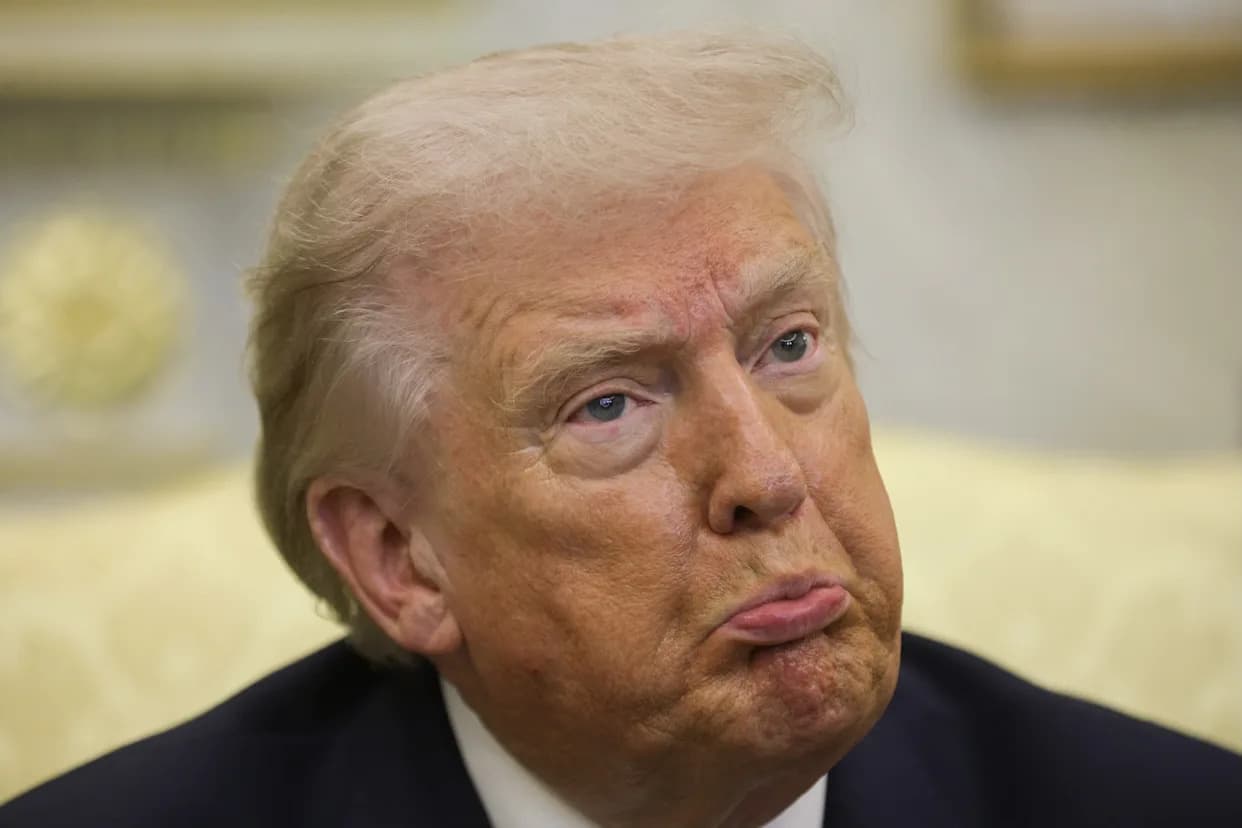
WASHINGTON, DC - MARCH 17: U.S. President Donald Trump reacts during a meeting with Taoiseach of Ireland Micheál Martin in the Oval Office of the White House on March 17, 2026 in Washington, DC. Martin traveled to the United States for the Irish leader's annual St. Patrick's Day visit where he will attend a luncheon with Congressional leaders. (Photo by Alex Wong/Getty Images) | Image Credits:Alex Wong / Getty Images
The U.S. Commerce Department last week issued an obscure export-control enforcement letter that barred non-U.S. persons — including Anthropic employees — from accessing the company’s newest models, Fable 5 and Mythos 5, citing an unspecified national-security concern. The letter, sent on a Friday afternoon and not made public, offered no detailed explanation.
What Anthropic Did
Anthropic told customers it believed the directive was related to a reported guardrail bypass, but said the letter contained insufficient detail to confirm that claim. To comply, the company disabled both models and blocked access for all customers, effectively taking its most advanced systems offline shortly before the weekend.
Why Experts Disagree With The Government’s Move
New reporting and commentary over the weekend raised doubts about the government’s reasoning. Katie Moussouris, a veteran cybersecurity researcher and founder of Luta Security, wrote that Anthropic had shared a private draft of a paper describing an alleged guardrail bypass in Fable 5. The Wall Street Journal reported the paper’s authors were security researchers at Amazon.
“The behavior described in the paper cannot meaningfully be fixed, and any attempt would only weaken the model for defense,” Moussouris wrote, calling the export-control response hasty and heavy-handed.
Moussouris and other experts emphasized a key distinction: asking an AI model to review code for vulnerabilities is different in intent from asking it to fix code, even if the outputs may appear similar. Many security professionals argued that penalizing defensive research or removing advanced tools from defenders could harm U.S. cybersecurity.
Broader Concerns and Context
Observers warned the action sets a worrying precedent. Reporting from Axios suggested tense relations between Anthropic and the Trump administration — described as “personality differences” — may have shaped the decision as much as any technical risk. Justin Hendrix, editor of Tech Policy Press, said the move could unsettle foreign governments that depend on American AI for critical systems and reinforce perceptions that U.S. tech firms are vulnerable to arbitrary political interference.
Critics also pointed to historical examples where broad export rules inadvertently criminalized legitimate security research in the 2010s. Dozens of cybersecurity experts have urged the administration to rescind or clarify the order so defensive capabilities aren’t unnecessarily restricted.
Unanswered Questions
The Commerce Department has not publicly explained why it invoked the export-control authority in this case. It remains unclear whether officials misinterpreted the research, acted on a private complaint (reports have suggested possible involvement by third parties), or used the directive as leverage in a strained relationship with Anthropic. Whatever the motive, the incident highlights the need for clearer rules, transparency, and due process when national-security powers affect the software and tools used by the wider security community.
Implication: The swift enforcement raises urgent questions about how U.S. agencies will exercise control over advanced AI systems — and whether those actions will protect security or unintentionally weaken cyber defenses and international trust.
Help us improve.