Alan Irwin, 35, reported an attempted sextortion after a Tinder match recorded a sexual video call and threatened to share it with his contacts. He blocked the attacker, warned his Facebook network and reported the incident to police. Officials and charities warn sextortion often targets young people, urge victims not to be ashamed, and emphasise reporting and preserving evidence. Meta says it removes offending accounts and supports law enforcement.
Don't Panic: How a Tinder Sextortion Attempt Was Stopped — And What To Do If It Happens To You

Alan Irwin has some sound advice for other victims of sextortion [BBC]
When 35-year-old Alan Irwin matched with someone on Tinder, he expected a typical conversation — not a police visit. After several days of chatting, the pair moved to WhatsApp and agreed a video call. Minutes after a sexual call ended, Irwin received a message claiming to show a recording of the call and threatening to share it with his friends and family unless he complied.
How the scam unfolded
Irwin says the conversation on Tinder had lasted several days, which helped him trust the other person. After the video call ended, he immediately received a phone call and messages that included a screen recording of the call and a text reading: "This is your dirty video and I got all your family and friends information on Facebook and Instagram. Tell me share or delete? Answer my call if you want to settle this."
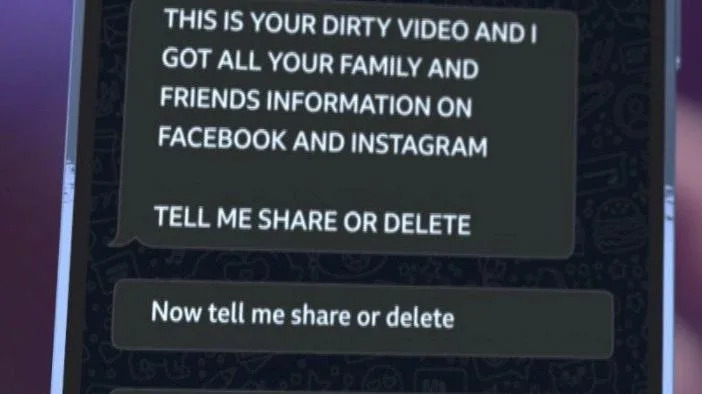
Irwin was asked to send money or else the intimate video would be shared online [BBC]
He blocked the account, warned his Facebook contacts to pre-empt any distribution, and reported the attempted blackmail to police. The Tinder account soon unmatched and blocked him, leaving no in-app chat history to show investigators.
Similar cases and wider scale
Cara Hunter, the SDLP assembly member for East Derry, later described a constituent with autism who matched with a verified Tinder profile and received a similar threat. In that case the attacker used a Philippines (+63) phone number and extracted footage via a video call; the victim paid about £1,300 to stop the footage being circulated.

Assembly member Cara Hunter recently supported a victim of sextortion in her area [PA Media]
Joanne Barnes, chief executive of Nexus (a charity supporting victims of domestic and sexual abuse), said police typically see roughly 45 sextortion reports a month in Northern Ireland, and at one point the figure reached 70 a month. She warned that many cases go unreported because victims feel embarrassed.
Official advice and responses
The Police Service of Northern Ireland (PSNI) confirmed it received a report of suspected online blackmail in Larne on 12 May and advises victims to report sextortion. Detective Inspector Ryan urged those targeted not to be deterred by embarrassment, noting that most victims are young men aged 15–23 but anyone can be affected.
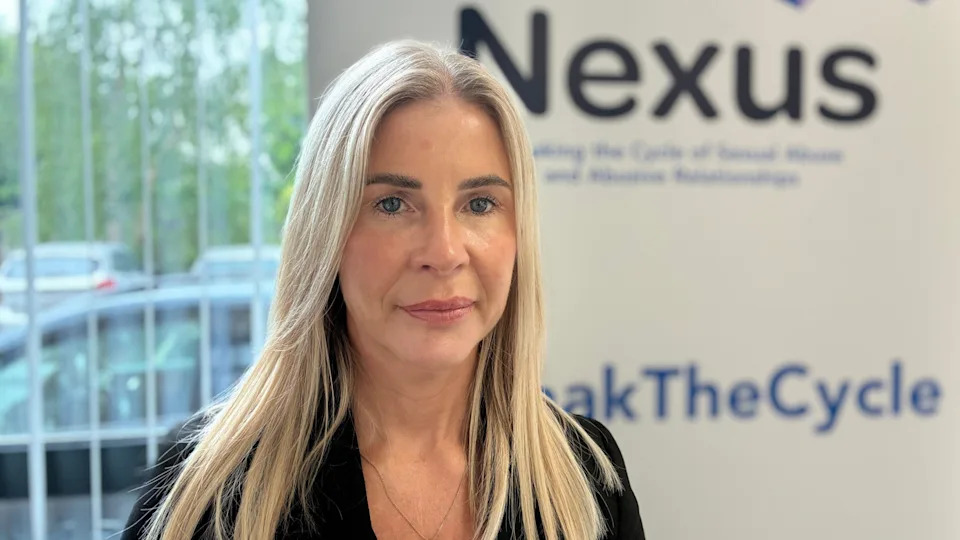
Joanne Barnes said about 45 cases of sextortion were reported to the police every month [BBC]
Meta — owner of Facebook, Instagram and WhatsApp — described sextortion as a "horrific crime" and said it removes accounts linked to sextortion when identified and supports law enforcement. Tinder has been asked for comment.
What victims should do
"If you don't panic, they've no hold over you," Irwin said. His calm response — blocking the attacker, warning contacts and reporting the incident — limited the scammer's power to exploit him.
Experts advise:
- Do not pay or give in to demands — payment rarely stops scammers.
- Block and preserve evidence: take screenshots, save messages and call logs, and note times and numbers.
- Report the incident to the dating app, to platforms shown in messages, and to local police.
- Tell trusted friends or family and seek support from specialist charities (for example, Nexus) or helplines such as BBC Action Line.
The PSNI website and BBC Action Line list guidance and organisations that can help anyone affected by sextortion. Irwin’s experience highlights that maintaining composure, acting quickly and reporting the crime are essential to limiting harm.
Help us improve.