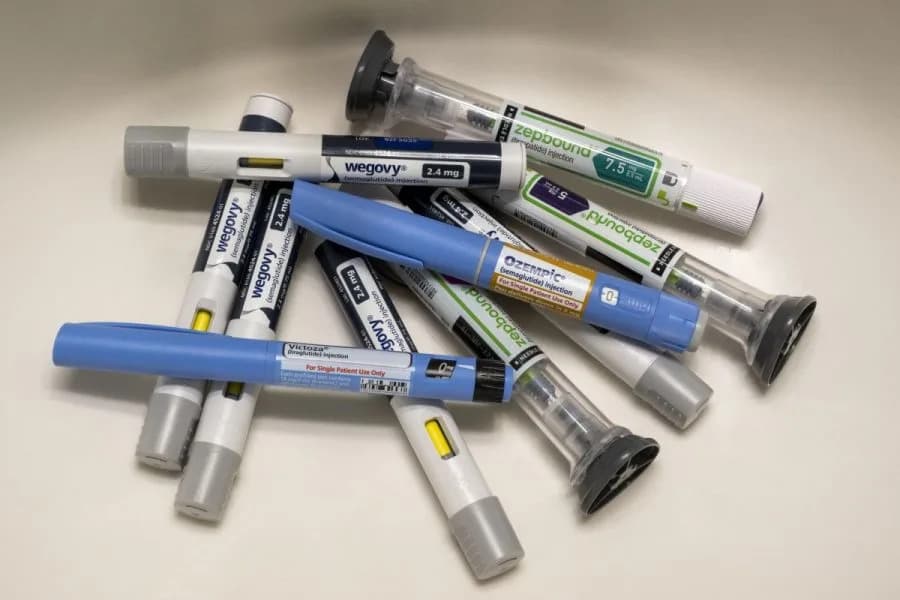
Stanford researchers have identified BRP, a naturally occurring 12‑amino‑acid peptide that mimics the appetite‑suppressing effects of Ozempic in animal studies while appearing to avoid common gastrointestinal and muscle‑related side effects. Identified by an AI screen of more than 2,600 peptides, BRP cut food intake by up to 50% in mice and pigs and helped obese mice lose mostly fat while improving glucose and insulin tolerance. Human trials are planned, but BRP has not yet been tested in people and safety and efficacy remain to be established.
Stanford Identifies Natural Peptide BRP That Mimics Ozempic — But May Avoid Common Side Effects
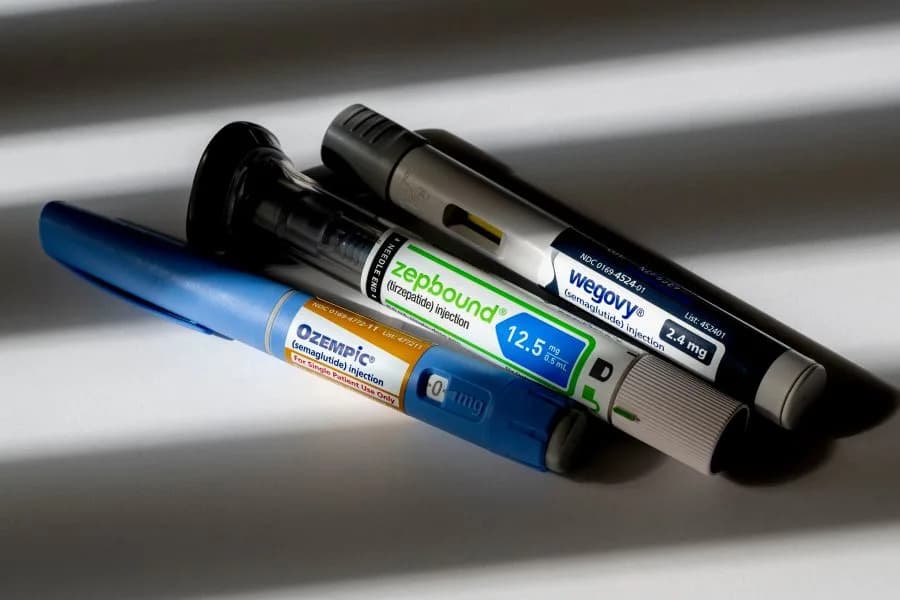
Stanford Medicine researchers report the discovery of a naturally occurring 12‑amino‑acid peptide, called BRP, that produces appetite‑suppressing effects similar to the diabetes and weight‑loss drug Ozempic, yet appears to avoid many of the drug’s commonly reported gastrointestinal and muscle‑related side effects.
How BRP Was Found
Investigators used an artificial intelligence screening tool named Peptide Predictor to analyze more than 2,600 peptide fragments and identify candidates with hormone‑like activity. Their findings were published in Nature in March 2025.
Animal Results
In tests on mice and pigs, a single injection of BRP administered before a meal reduced food intake by as much as 50% within one hour. In a two‑week study, obese mice given daily BRP injections lost an average of about 3 grams—almost entirely fat—while untreated mice gained roughly 3 grams. Treated animals also showed improved glucose and insulin tolerance.
Behavioral assessments reported no measurable changes in movement, water consumption, anxiety‑like behavior or fecal output, suggesting BRP’s effects were specific to appetite and metabolism in these animal models.
Possible Advantage Over GLP‑1 Drugs
Researchers say BRP’s advantage may stem from its site of action: it appears to work primarily in the hypothalamus, the brain region that governs hunger and metabolic regulation. By contrast, GLP‑1 receptor agonists such as semaglutide (Ozempic) act on receptors across the brain, gut, pancreas and other tissues—locations that may contribute to side effects like nausea or diarrhea reported by many users.
What’s Next
BRP has not yet been tested in humans. Stanford researchers say clinical trials in people are planned in the near future, and a company co‑founded by the study’s lead author intends to develop and commercialize a BRP‑based therapy if human testing confirms safety and efficacy. Experts caution that results from animal studies do not guarantee similar outcomes in humans and that safety, dosing, and side‑effect profiles must be established in clinical trials.
Note: A 2025 RAND Corporation survey of almost 9,000 U.S. adults found that roughly half of GLP‑1 users reported nausea and about a third reported diarrhea—underscoring the clinical interest in alternatives that might reduce such effects.
Help us improve.