Quick Take: The World Cup has delivered scenes of cross-national celebration, while Donald Trump’s UFC event on the White House lawn highlighted domestic division. Protesters decried the use of federal land and the event’s political staging, even as supporters embraced its patriotic spectacle tied to Trump’s milestone. The two events together underscore how international sport can foster shared rituals, while American political life remains deeply polarized.
World Cup's Call For Unity vs. Trump's White House UFC: A Stark Contrast In National Mood
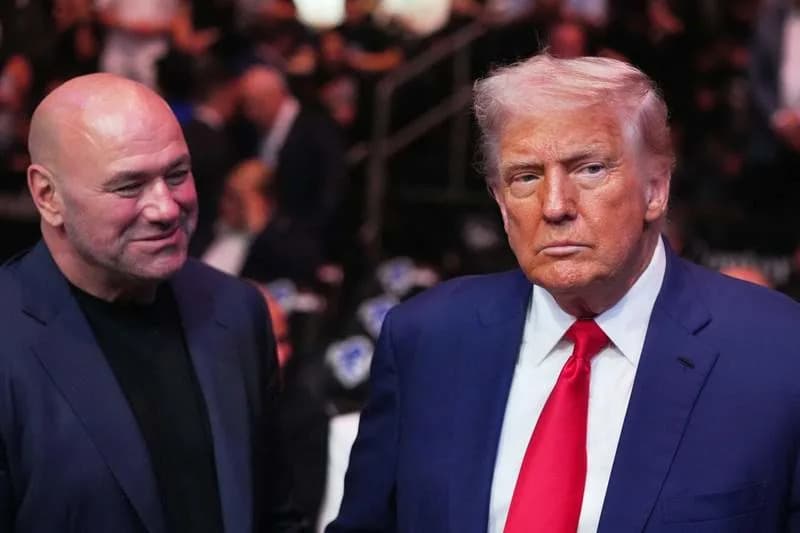
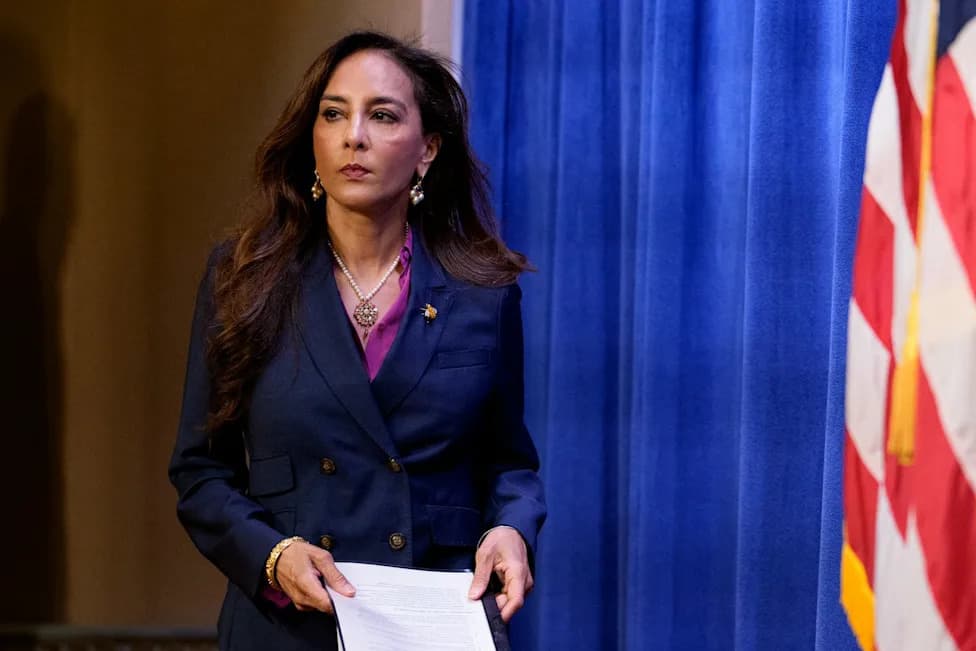
Photo by Frank Franklin II / POOL / AFP via Getty Images
Donald Trump achieved the theatrical display he sought with a UFC spectacle on the White House lawn, but scenes outside the event perimeter underscored deep political and social tensions in the United States.
The World Cup has opened with images of fans from many nations coming together, offering moments that gesture toward unity despite the political fault lines that surround the tournament. Those scenes illustrate sport’s capacity to create shared rituals across borders.
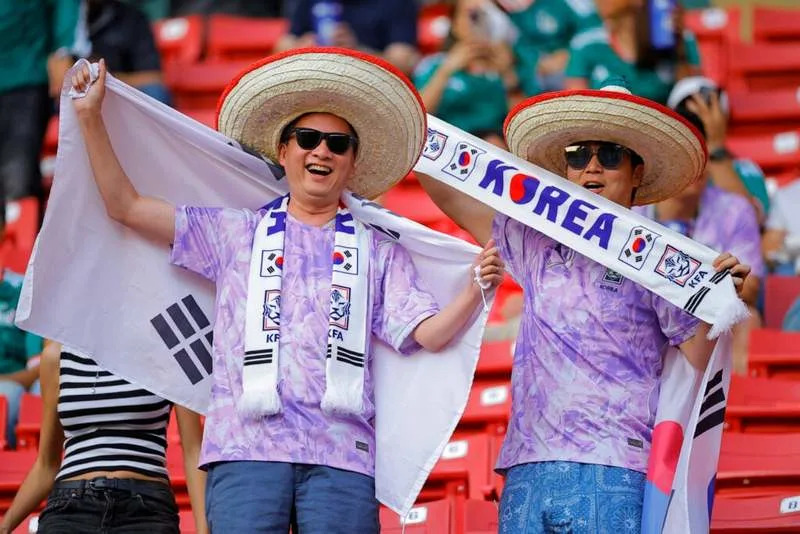
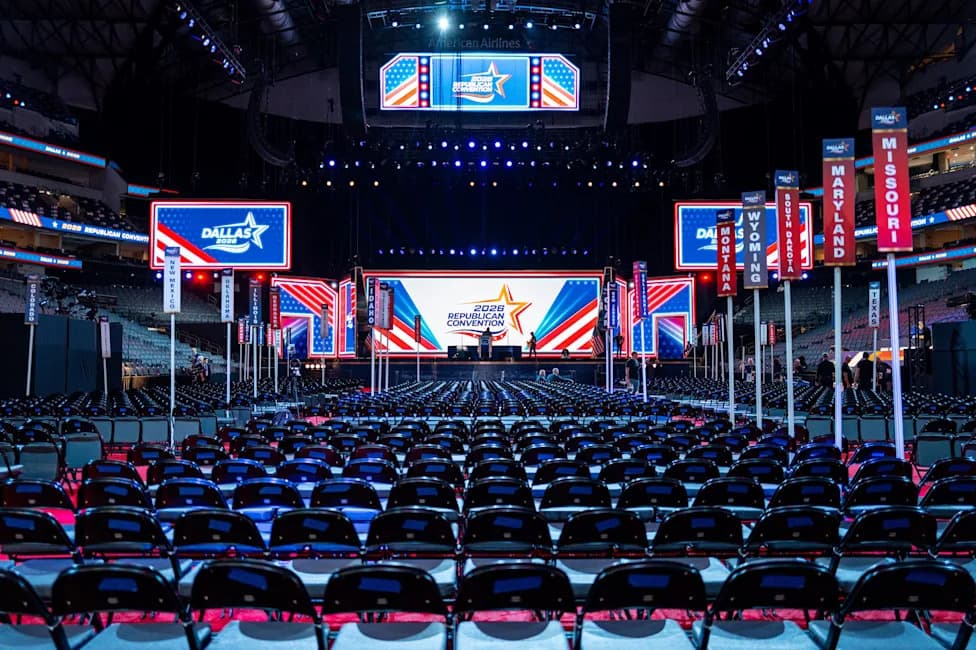
Photo by Luis Cano/Jam Media/Getty Images
By contrast, the White House UFC event in Washington read very differently depending on who watched. Supporters hailed the spectacle as a proud demonstration of American strength, with patriotic imagery, military involvement and the presidential backdrop turning it into the kind of pageant its backers wanted. Critics, however, viewed the use of federal grounds and the overt political staging as divisive and inappropriate.
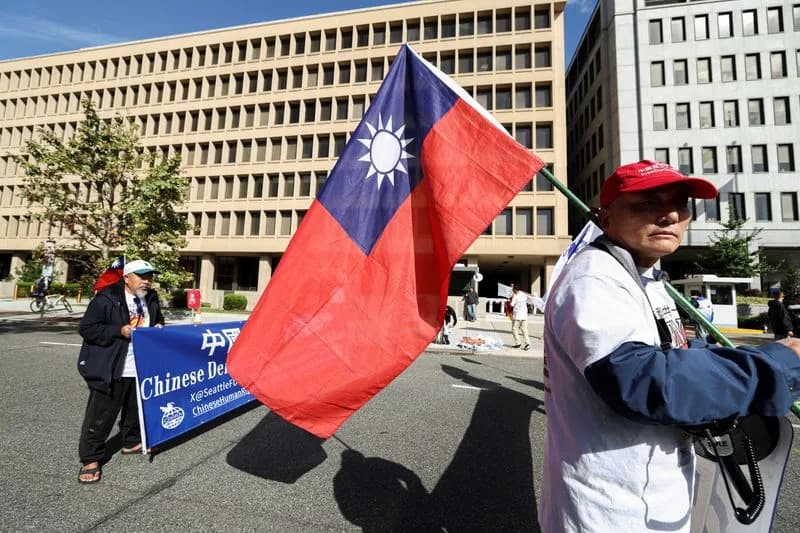
Outside the perimeter, protesters criticized the event’s use of public land and its ties to corporate and political interests, producing a tableau of two Americas shouting past one another rather than a scene of shared national celebration.
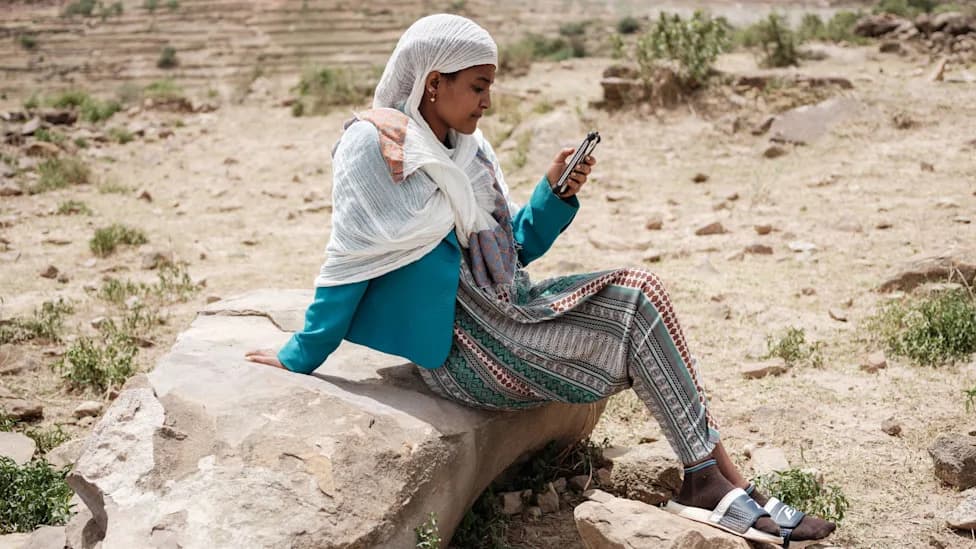
At the World Cup, rival nations are asked to compete under the same rules and share the same stage. That does not erase real-world conflicts, and football cannot be expected to resolve diplomatic disputes by itself. Still, the World Cup’s ritual of contest and coexistence offers a symbolic model of managed rivalry that many find powerful.
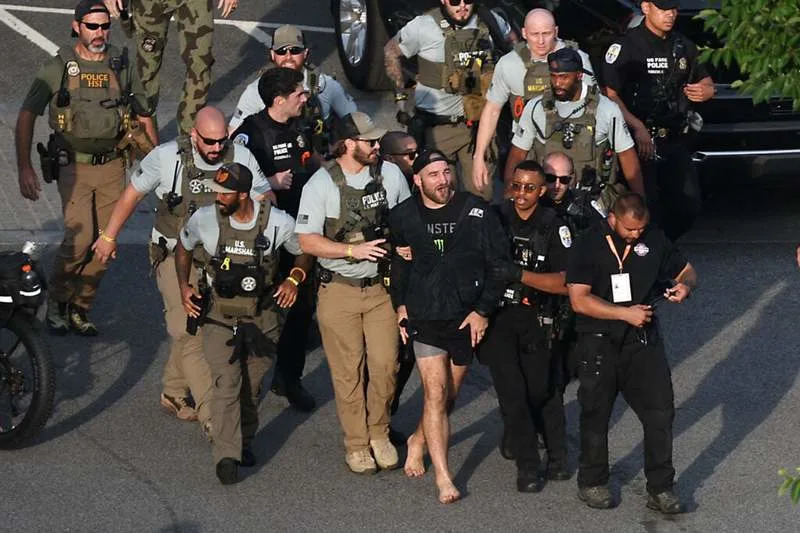
Photo by Kevin Dietsch / POOL / AFP via Getty Images
Placed side by side, the White House UFC event and the World Cup highlight a difficult truth: while international sport can stage moments of cross-national celebration, America’s domestic political theatre remains marked by suspicion, hostility and deep polarization. For Trump’s supporters the UFC night delivered exactly what it promised; for many others it reinforced the sense of an increasingly divided public square.
What This Reveals
The contrast is not simply about two events. It illustrates competing national narratives — one emphasizing spectacle and partisan affirmation, the other offering a ritual space where people from different countries briefly put aside broader conflicts to celebrate a shared game.
Help us improve.