The New York Times is reexamining several opinion columns by Nick Kristof after Semafor reported that he quoted or cited multiple people who had donated to his 2021 Oregon gubernatorial campaign without disclosure. Examples include a 100,000 dollar donation from Bill and Melinda French Gates and smaller gifts from other quoted sources. Times Opinion editors are reviewing the pieces to decide whether clarifications or editor's notes are required, while ethics experts say donations do not automatically prove improper influence absent evidence of a quid pro quo.
NYT Reviews Nick Kristof Columns After Semafor Finds Undisclosed Quotes From Former Donors
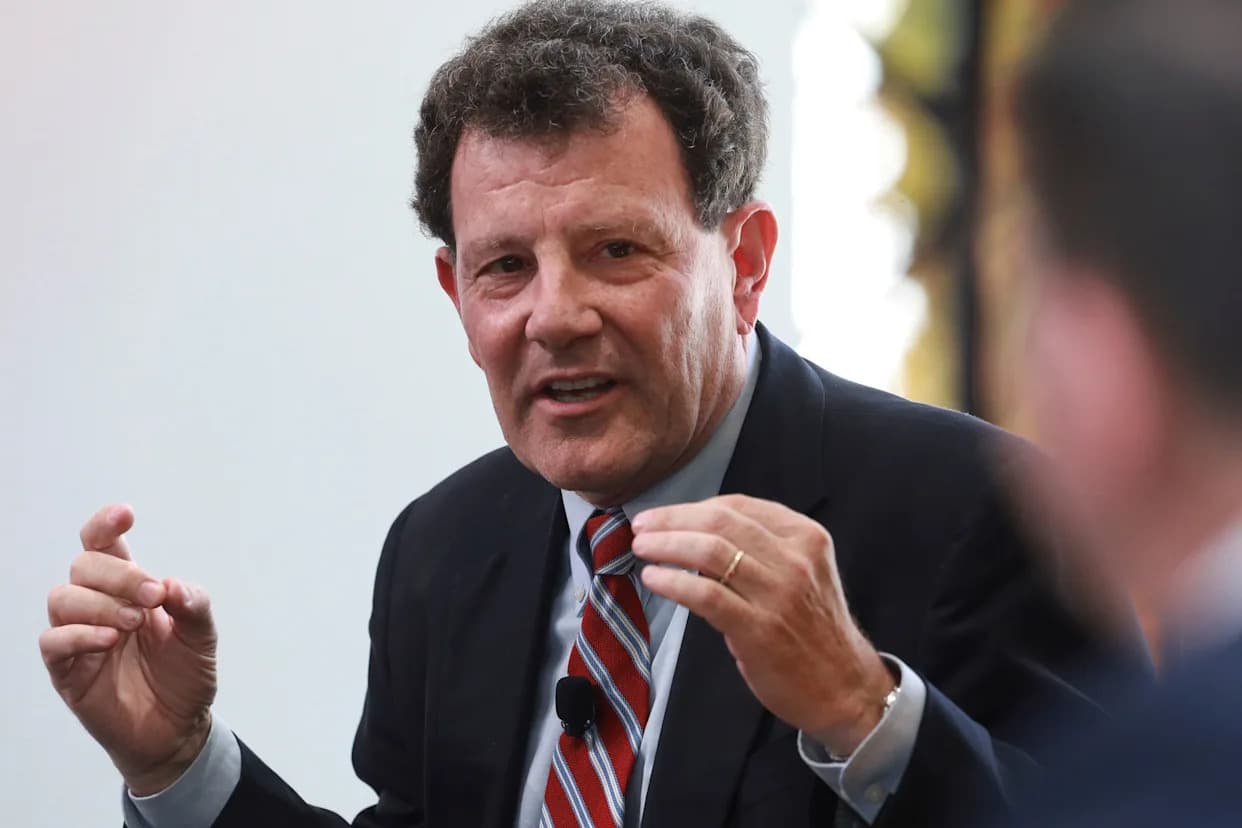
The New York Times is reviewing several opinion columns by veteran columnist Nick Kristof after Semafor reported that he repeatedly quoted or cited people who had donated to his aborted 2021 campaign for Oregon governor without disclosing those past financial ties.
The Times told readers when Kristof returned to the paper that he would avoid writing about his campaign's financial backers or would clearly disclose any relevant connections. Semafor identified at least a dozen instances from 2022 onward in which Kristof cited individuals or organizations that had contributed to his campaign without noting those donations. Opinion editors are now reassessing the pieces to determine whether readers need further clarifications.
Examples Cited by the Reporting
Among the cases Semafor highlighted:
- Bill and Melinda French Gates together donated 100,000 dollars to Kristof's 2021 campaign, yet Kristof wrote favorably about Gates and cited Gates Foundation statistics in pieces from 2022 to 2025 without disclosing the contribution.
- Deborah Fikes, a Council on Foreign Relations member, gave 10,000 dollars and was quoted in a 2024 column about North Korea without disclosure.
- McKinsey Global Managing Partner Bob Sternfels and his wife donated a combined 5,000 dollars and were quoted in a 2023 column about India’s economy with no note of their contribution.
- The late Harvard professor Joseph Nye, who donated 1,000 dollars, was quoted in 2023 and 2024 without disclosure.
- Kristof featured nonprofits that had ties to his campaign donors in the paper's holiday giving guides, including Focusing Philanthropy and Vision to Learn, without disclosing those relationships.
Responses and Context
Times spokesman Charlie Stadtlander acknowledged the need for greater clarity, saying that some previous political donations made by people Kristof mentioned should have been made more clear to readers and that Opinion editors are reviewing the articles. Opinion editor Kathleen Kingsbury defended the paper's fact-checking on other contested items, saying certain pieces had undergone rigorous vetting.
Editors from Times Opinion are reviewing these articles to determine further clarifications for readers — Times spokesman Charlie Stadtlander
Ethics experts who spoke to Semafor offered differing views. Patrick Lee Plaisance, a Penn State professor who studies media ethics, noted that quoting a donor does not automatically require disclosure absent evidence of influence or a quid pro quo, especially when the quoted party is a public expert or high-profile figure.
Several people cited in the reporting defended Kristof. Leaders at organizations featured by Kristof said their relationships with him predated the campaign, praised his reporting, or described their donations as expressions of admiration rather than attempts to influence coverage. Kristof did not respond to Semafor's request for comment.
Broader Fallout
The review comes as Kristof faces heightened scrutiny following a May opinion piece that included allegations of sexual assault by Israeli guards; that column prompted fierce criticism from Israeli officials and some media outlets. The controversy has intensified public attention on Kristof's recent work and on the paper's oversight of potential conflicts of interest.
The episode also underscores a larger trend: the blurring of lines between journalism and politics as more journalists pursue political roles and as media figures migrate into campaigns. Newsrooms are grappling with how to maintain transparency and trust when former candidates return to high-profile reporting roles.
The Times review will determine whether clarifying notes, editor's notes, or other corrections are needed to inform readers about past financial ties between Kristof and people he cited in his columns.
Help us improve.