
John Healey's resignation exposes a deeper struggle within Labour over leadership and priorities. What appears as a Defence vs Treasury spat is actually about Keir Starmer's authority and the party's direction. Advocates of “securonomics” argue that social investment strengthens national security, but tight public finances constrain options. If Andy Burnham wins Makerfield, a Burnham government would likely preserve much of Starmer's fiscal caution rather than trigger dramatic policy shifts.
Keir Starmer Is Vulnerable — But An Andy Burnham Government Would Likely Mean More Of The Same
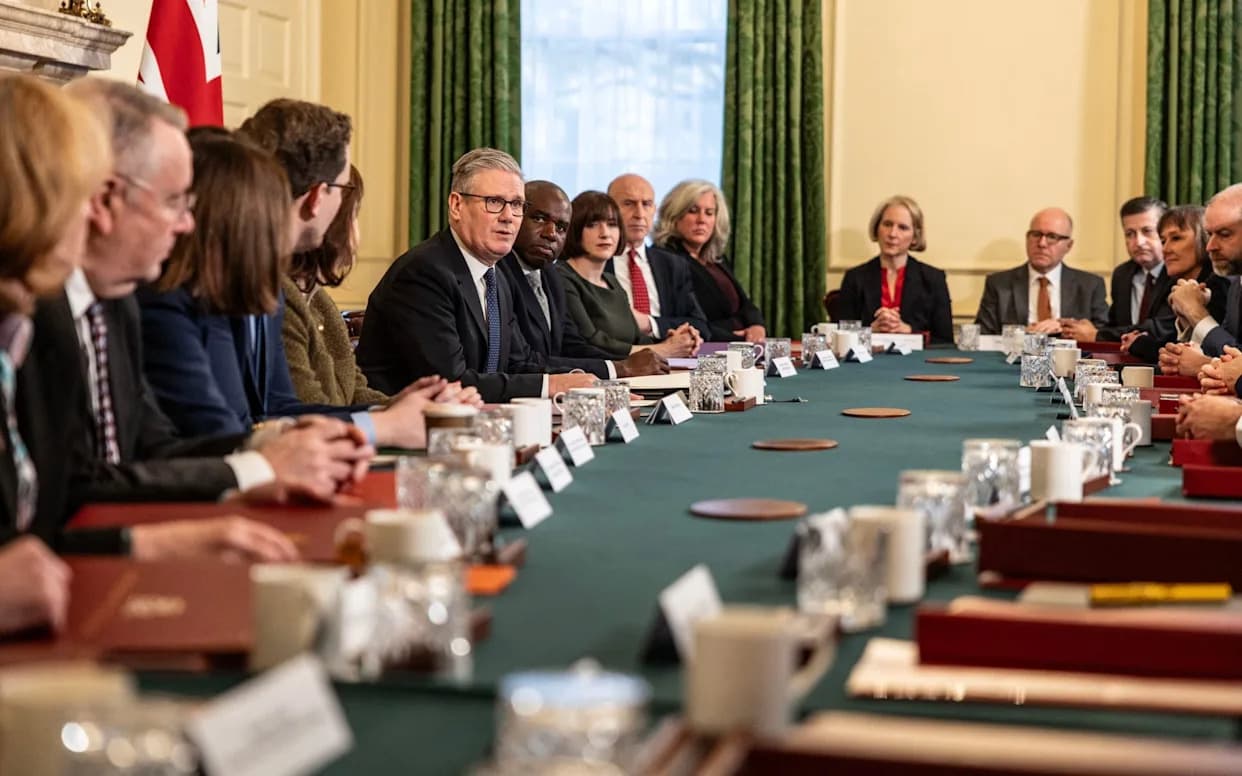
The real story isn’t Defence v Treasury, it’s Starmer v Cabinet - RICHARD POHLE/AFP via Getty Images
Much has been written about John Healey's resignation — now feted in Westminster gossip — but the episode reveals a deeper question about leadership and direction in the Labour Party. What looks like a dispute between Defence and the Treasury is, in fact, a contest over Keir Starmer's authority and the party's future priorities.
What Healey's Resignation Signals
Historically the armed forces press for bigger budgets while the Treasury resists. In 1969, for example, Denis Healey cut defence spending by around 7% and pledged to withdraw forces “east of Suez” by 1971. Denis Healey did not resign; John Healey did. That difference matters: resignations are political signals. If Healey thinks Starmer is secure, he would likely have stayed. By stepping down, Healey indicates a belief that Starmer's grip on the party may be weakening.
Strategy, Not Just Principle
If Healey expects Andy Burnham to win Makerfield and to press a leadership challenge, his resignation could be tactical — a bid to negotiate influence and return to government with firmer defence spending. Burnham has signalled some openness to increasing defence budgets, which may explain members' manoeuvring.
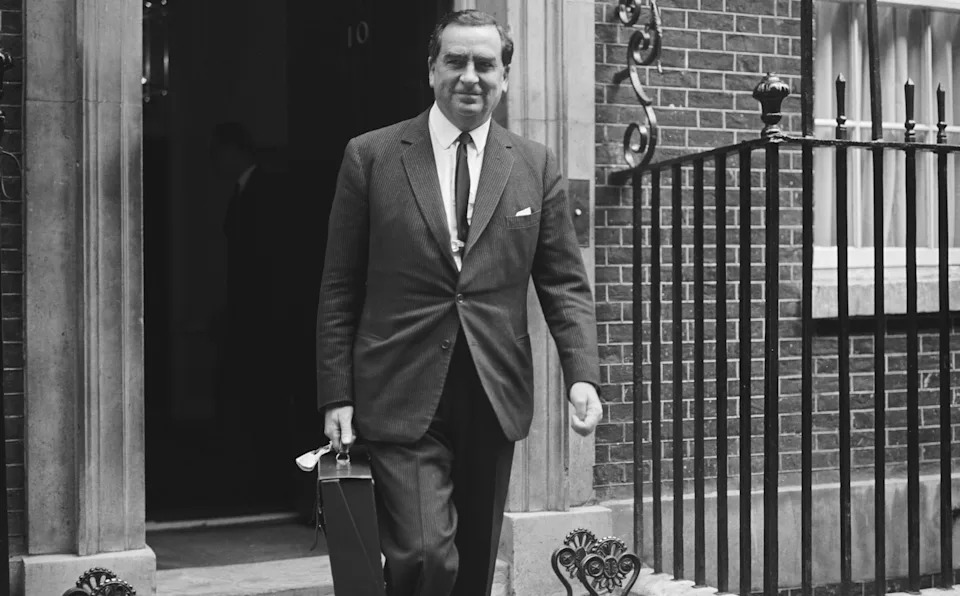
In the late 1960s Denis Healey slashed the defence budget - Evening Standard/Hulton Archive
Starmer Versus The Cabinet
The broader conflict is less Defence vs Treasury than Starmer vs his own frontbench. Several high-profile figures — including Ed Miliband and Rachel Reeves — were reportedly alarmed by proposals to divert net zero funds into defence. Miliband reportedly avoided meetings on the subject, while Reeves was described as being on ‘resignation watch’ after learning that budgets she had negotiated might be reallocated.
Key question: What is Labour for — to prioritise social investment and climate resilience, or to reallocate resources to immediate defence needs?
Securonomics: Welfare as Security
One influential strand in Labour argues that social investment and national security are complementary — a concept some call “securonomics.” The argument runs that healthier, better-educated, and more equal societies are stronger economically and militarily. This view has historical echoes in pre–First World War and wartime debates that linked social reform with national strength.
Figures such as Ed Miliband frame net zero policies as strategic insulation from volatile global fossil-fuel markets, while others like Wes Streeting have argued that preventive health and active transport policies contribute to economic productivity and long-term security.
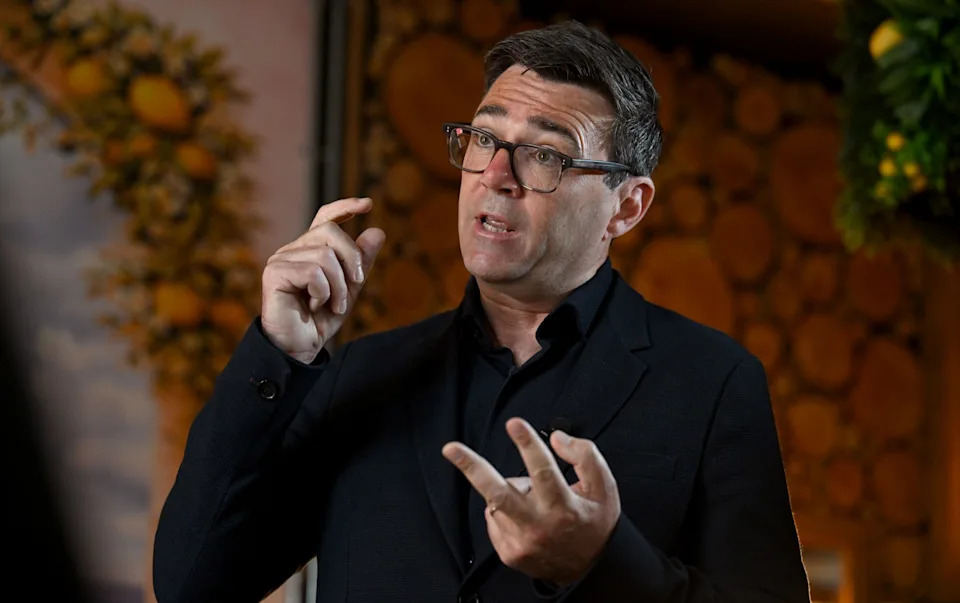
The Burnham government will be continuity Starmer - Anthony Devlin/Getty Images
Money Matters
The hard constraint is fiscal reality: public finances are limited. Many within the party — and across the political spectrum — acknowledge there is no easy source of additional funding. Critics such as Tony Blair have urged scaling back costly social ambitions in favour of business-friendly policies and technology investment. But stripping Labour of its social mission would change the party's identity.
What a Burnham Government Might Look Like
Rumours about Burnham's potential cabinet choices — from Ed Miliband to Shabana Mahmood — suggest no clear ideological pivot, which could mean continuity rather than rupture. Markets are said to prize fiscal credibility, and losing a figure like Rachel Reeves, widely regarded as fiscally disciplined, would likely unsettle investors. For that reason, a Burnham administration may end up largely preserving Starmer-era prudence rather than embarking on radical change.
Ultimately, Healey's resignation is a symptom of an unresolved tension in Labour between pragmatism and principle. The coming weeks will show whether this is political theatre or the start of a genuine leadership contest that reshapes the party's priorities.
Help us improve.





















