Senior cybersecurity leaders have urged the U.S. government to reverse limits on Anthropic's most advanced AI models, arguing the curbs hurt defenders more than attackers. An open letter led by Alex Stamos and signed by over 40 experts warns that removing access to Anthropic's Mythos-class models undermines defensive research just as AI-enabled threats are rising. The letter also stresses that similar capabilities exist in other major models, creating urgency for defenders to retain access.
Cybersecurity Leaders Say U.S. Limits On Anthropic’s Fable Hurt Defenders More Than Attackers
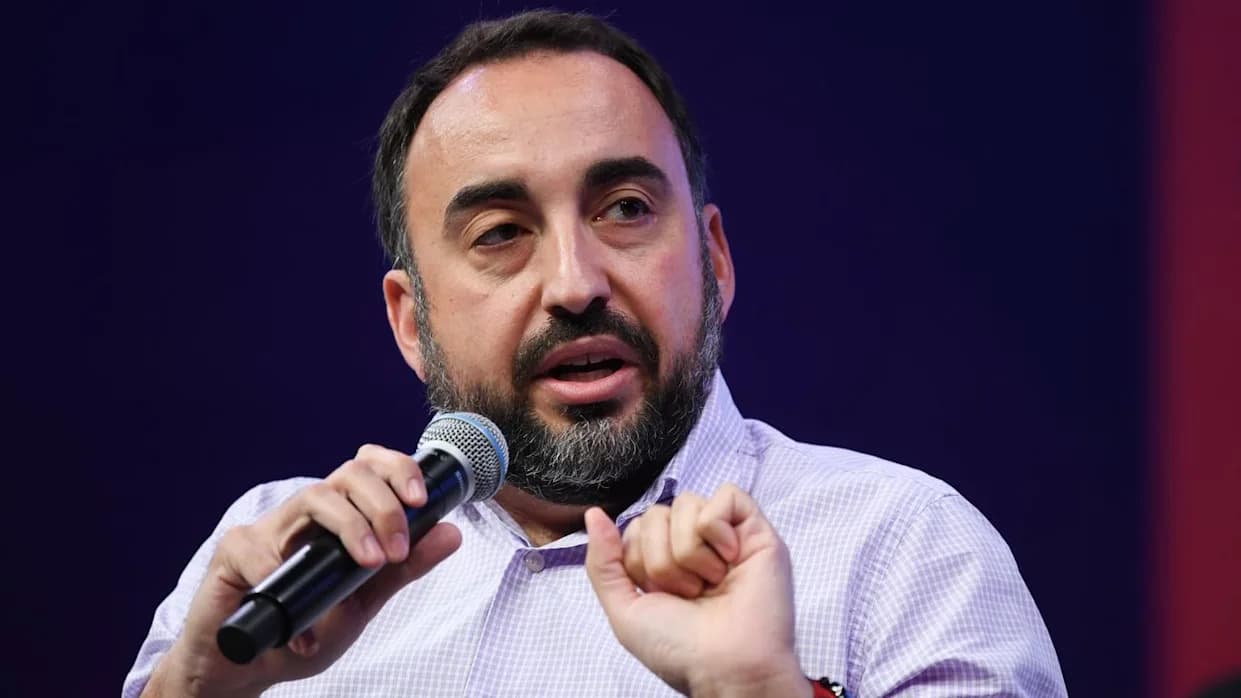
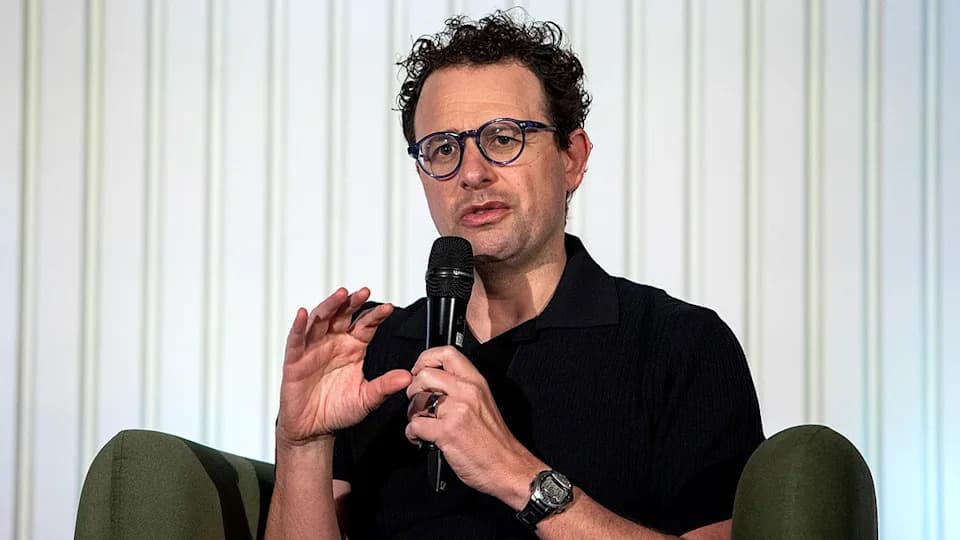
Alex Stamos during the 2019 Collision conference. Photo: Stephen McCarthy/Sportsfile via Getty Images
Senior cybersecurity figures — including CISOs, researchers and executives from Adobe, Zoom and Sophos — are urging the U.S. government to reverse restrictions on Anthropic's most capable AI models. They argue that curbs on access to Anthropic's first publicly available Mythos-class model disadvantage defenders at a moment when organizations are preparing for a wave of AI-enabled hacking threats.
What Experts Are Saying
The appeal comes in an open letter led by former Facebook Chief Security Officer Alex Stamos. The letter, signed by more than 40 security professionals, says concerns Amazon researchers raised about Anthropic's Fable apply across other leading AI systems as well.
"This action has taken the best models away from defenders, created market uncertainty, and risked America's AI leadership without any real risk to justify it," the letter states.
Why Defenders Say Access Matters
Stamos, now chief product officer at Corridor, told Axios that the Fable 5 capability that reportedly alarmed the White House was the model's ability to generate a "proof of concept" for vulnerabilities. Those proofs of concept can outline exploit code or attack steps that, on one hand, could help attackers; on the other, they are essential for defenders to find and fix flaws before they are abused.
The letter explains that only Mythos 5 and Mythos Preview — previously available only to vetted members of Anthropic's Project Glasswing program — could convert those proofs of concept into fully autonomous attack chains. Stamos emphasized limits to the model's scope: "You cannot give Fable the entire Linux kernel and say 'Find all the security bugs.'"
Broader Context
Signatories include prominent industry figures such as Katie Moussouris (Luta Security), Rachel Tobac (SocialProof Security), Chris Wysopal (Veracode), Paul Vixie, Joe Levy (Sophos) and Aaron Grattafiori (Nvidia). The letter argues that restricting access to top models creates market uncertainty and hinders defensive work at a critical time.
It also notes similar capabilities are available in other models — including OpenAI's GPT-5.5, Anthropic's Opus and Sonnet, and Chinese models such as Kimi 2.7 — and warns that some open-source models are rapidly catching up. Stamos said, "For us to shut down our best capabilities at the moment we know the Chinese are using and stockpiling these vulnerabilities is dangerous — absolutely foolish. We are in a race right now to fix these bugs as fast as possible."
Responses And Next Steps
Anthropic directed requests for comment to its public statement regarding the U.S. directive. Amazon declined to comment on its security conversations with governments. The open letter remains available for additional security leaders to sign.
Why it matters: Restricting access to advanced models could limit defenders' ability to simulate, discover and remediate vulnerabilities at scale, potentially leaving organizations more exposed as adversaries adopt AI-augmented tools.
Help us improve.