California’s mishandling of the Los Angeles mayoral count has highlighted weaknesses in the state’s mail‑ballot rules, voter‑roll maintenance and election oversight. Dean Logan, Los Angeles County’s long‑time Registrar of Voters, has faced multiple controversies dating back to King County recounts in 2004 and a string of incidents in LA. Federal litigation, a voter‑ID initiative on the ballot, and potential U.S. Supreme Court action on late mail ballots could prompt reforms. Critics say the current system’s lack of transparency makes it hard to distinguish incompetence from intentional misconduct.
How Dean Logan Became the Face of Los Angeles’s Vote‑Counting Chaos
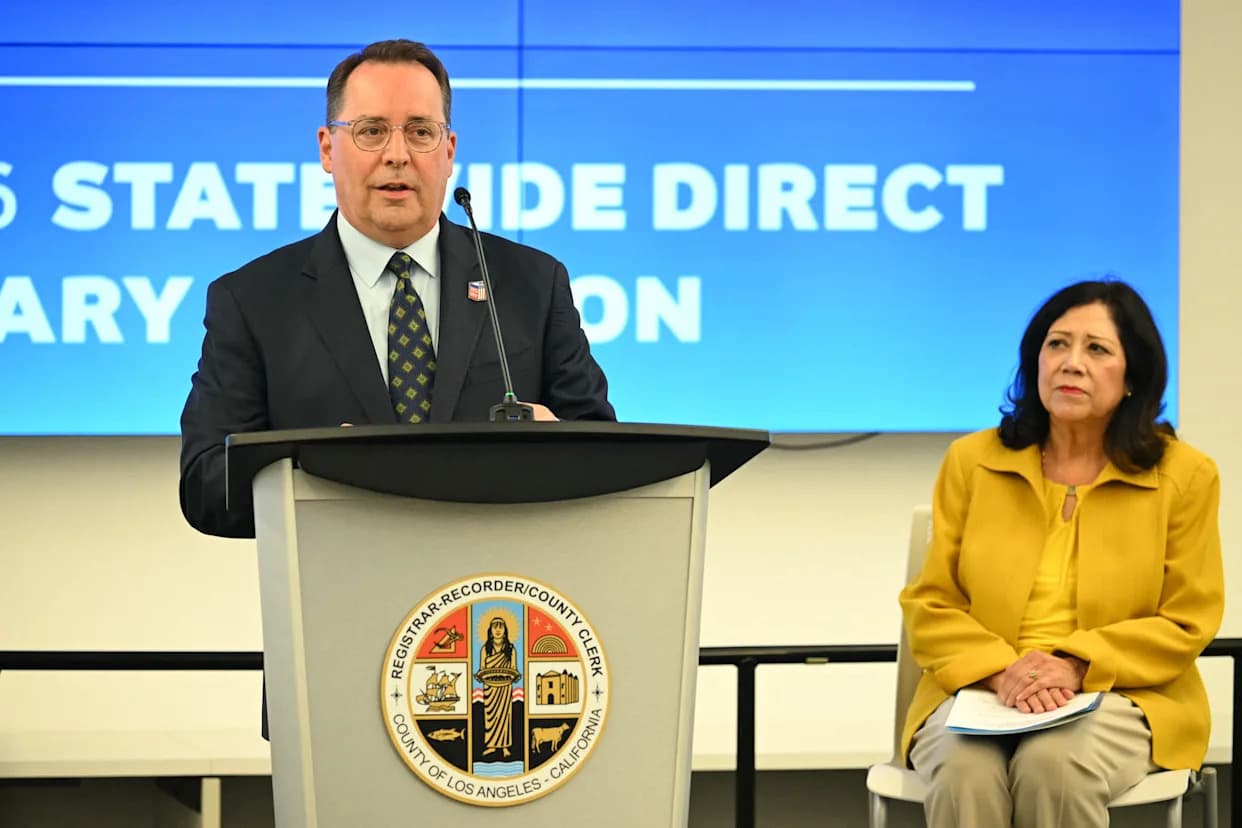
Los Angeles County Supervisor Hilda L. Solis looks on as Los Angeles County Registrar-Recorder/County Clerk Dean C. Logan speaks during a press conference at the Los Angeles County Ballot Processing...
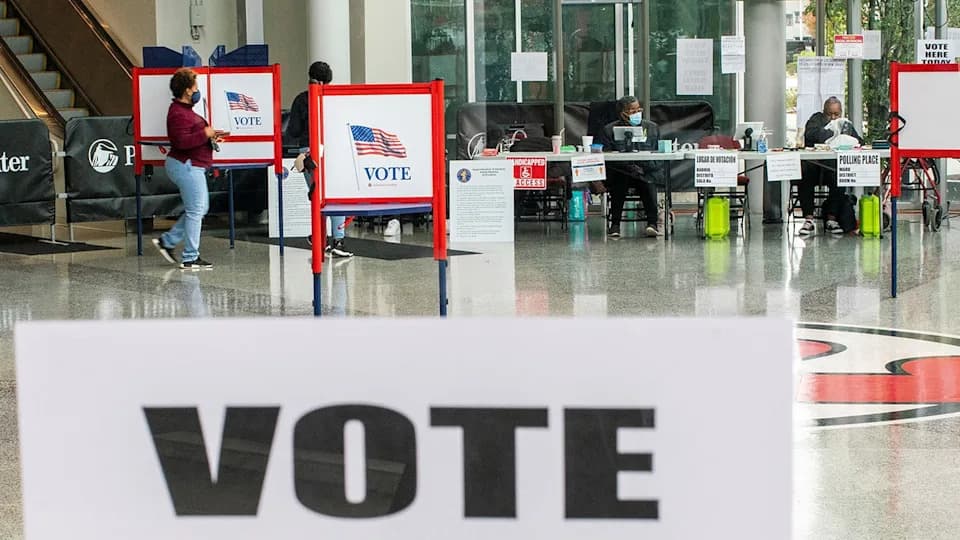
The botched Los Angeles mayoral count has done more than delay a result: it has exposed long‑standing weaknesses in California’s mail‑ballot and vote‑counting procedures. What began as local confusion has become a broader conversation about timing rules, voter rolls and election oversight.
Nate Silver called California's approach “kind of insane,” saying it is not common in other electoral systems around the world.
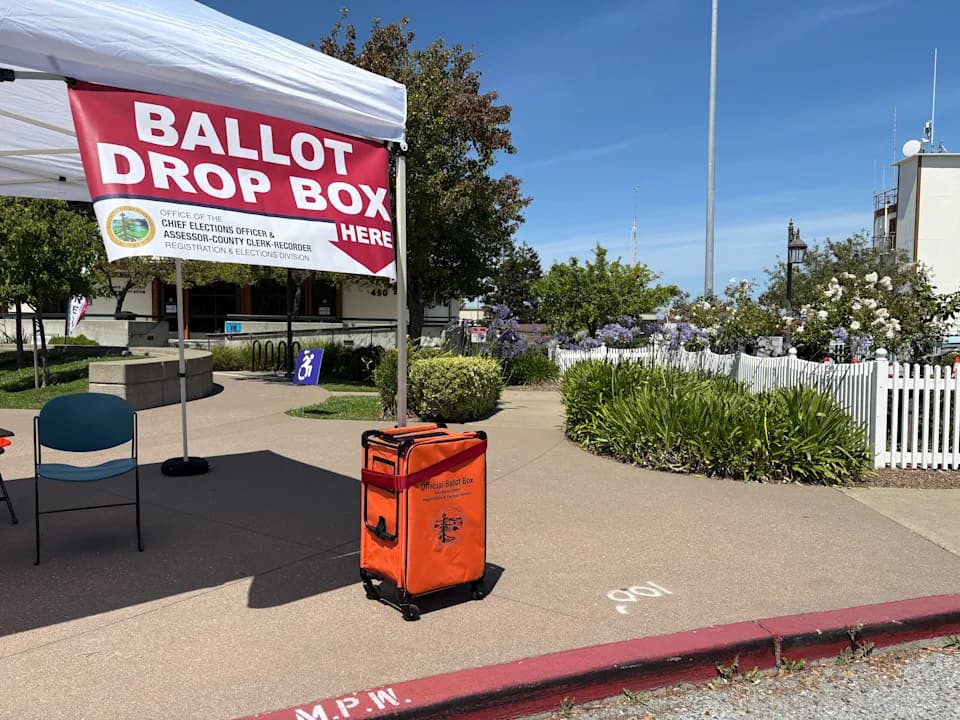
Several developments could force changes to current practices. At the federal level, the U.S. Supreme Court may soon rule on whether states may count mail ballots that arrive after Election Day — a decision that would undercut California’s practice of accepting ballots for several days after the vote, sometimes even when envelopes lack a postmark or a fully verified signature.
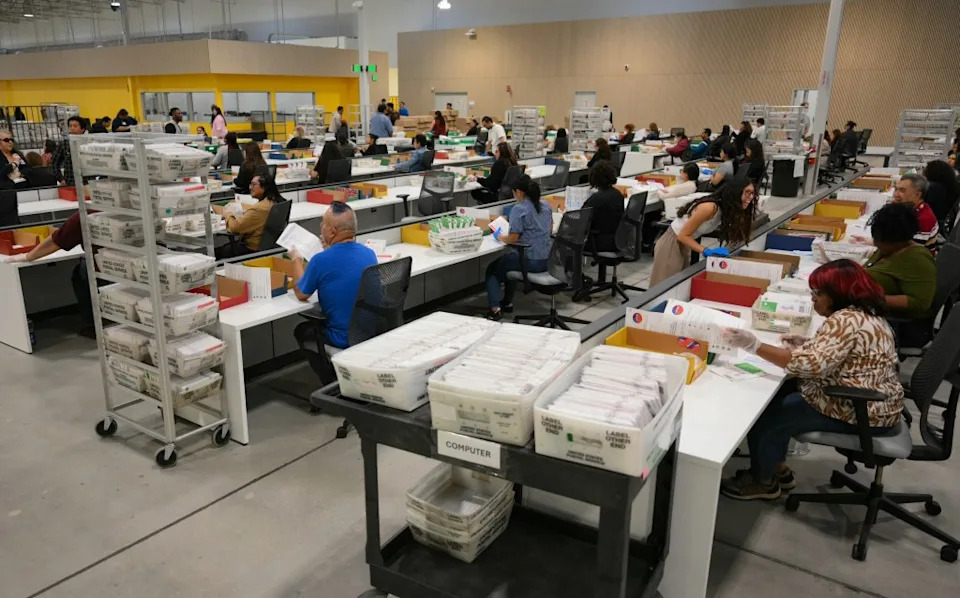
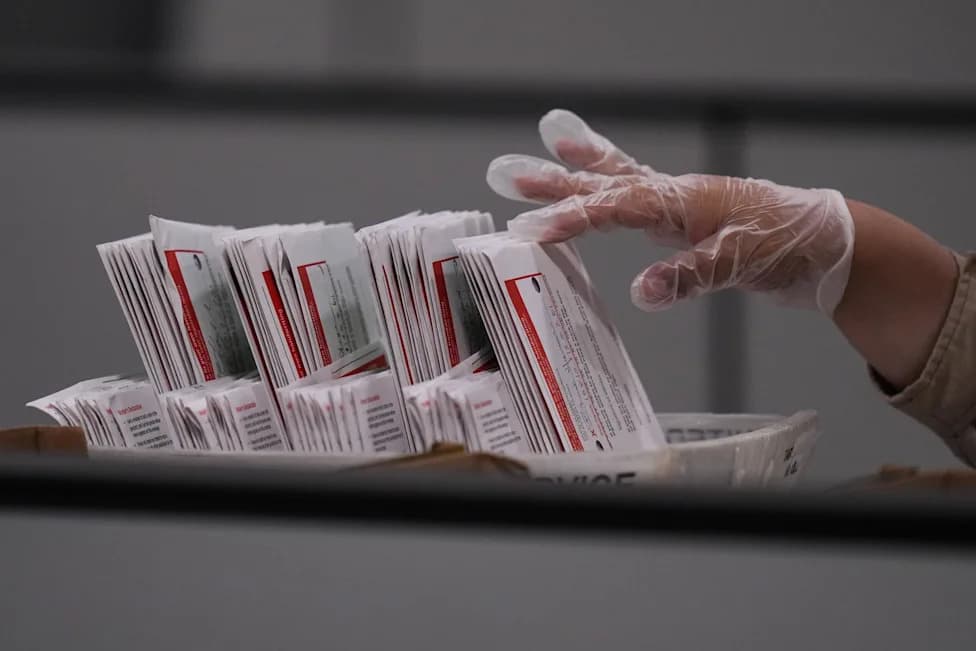
Election workers tabulating ballots at the Los Angeles County Ballot Processing Center. AFP via Getty Images
A statewide voter‑ID initiative has qualified for the November ballot. If approved, it would require in‑person voters to present government‑issued photo identification and would require mail voters to provide the last four digits of an official ID number. The proposal would also direct election officials to take additional steps to verify voters’ citizenship status.
Legal Pressure And Voter Rolls
Court challenges and federal inquiries are adding pressure for reform. U.S. attorney Bill Essayli has announced multiple election‑fraud probes and is suing to obtain and audit California’s voter rolls, arguing that greater transparency is needed to preserve public confidence. Separately, Judicial Watch has alleged that roughly 873,000 “ghost” registrants remain on state rolls — a claim that, if proven, would indicate serious maintenance problems.
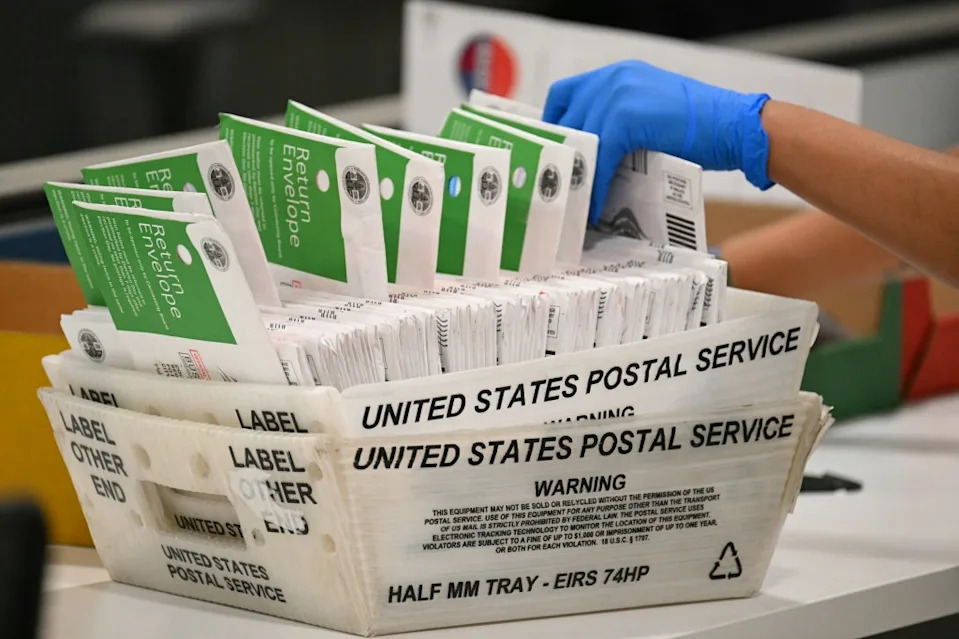
An election worker processes mail-in ballots at the Los Angeles County Ballot Processing Center during California’s state primary election in the City of Industry on June 2, 2026. AFP via Getty Images
Dean Logan: A Career Under Scrutiny
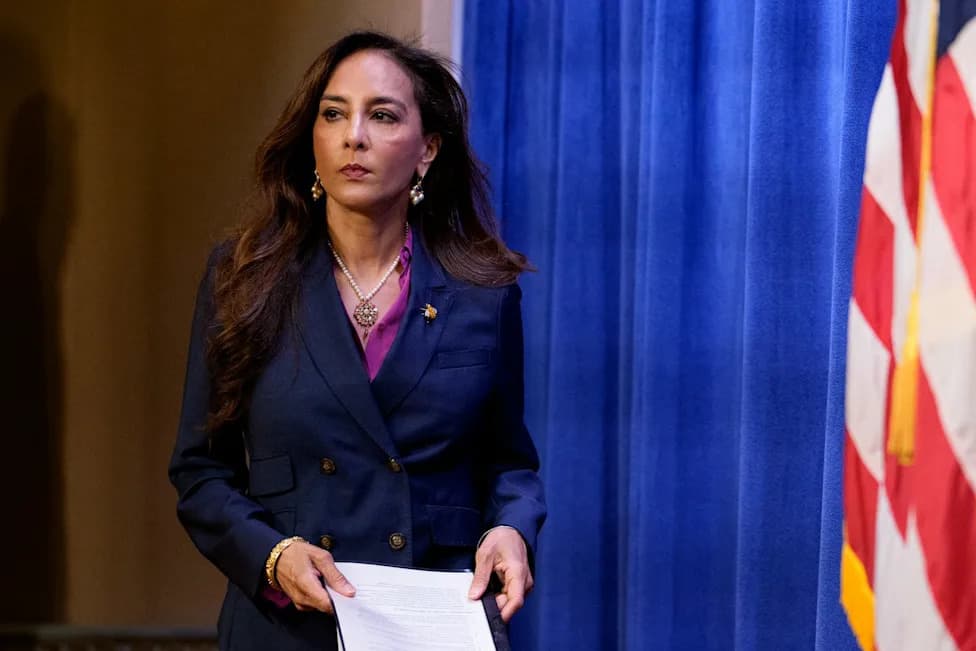
At the center of public frustration is Los Angeles County Registrar of Voters Dean Logan, who has run elections for a county of roughly 10 million residents since 2008. Logan’s tenure has included several high‑profile controversies, and his record in Los Angeles invites renewed scrutiny in light of the recent mayoral count.
Logan previously served as King County, Washington’s registrar during the disputed 2004 governor’s race between Democrat Christine Gregoire and Republican Dino Rossi. That contest ultimately was decided by 133 votes after recounts, and Logan’s office was criticized for the discovery and handling of previously uncounted ballots.
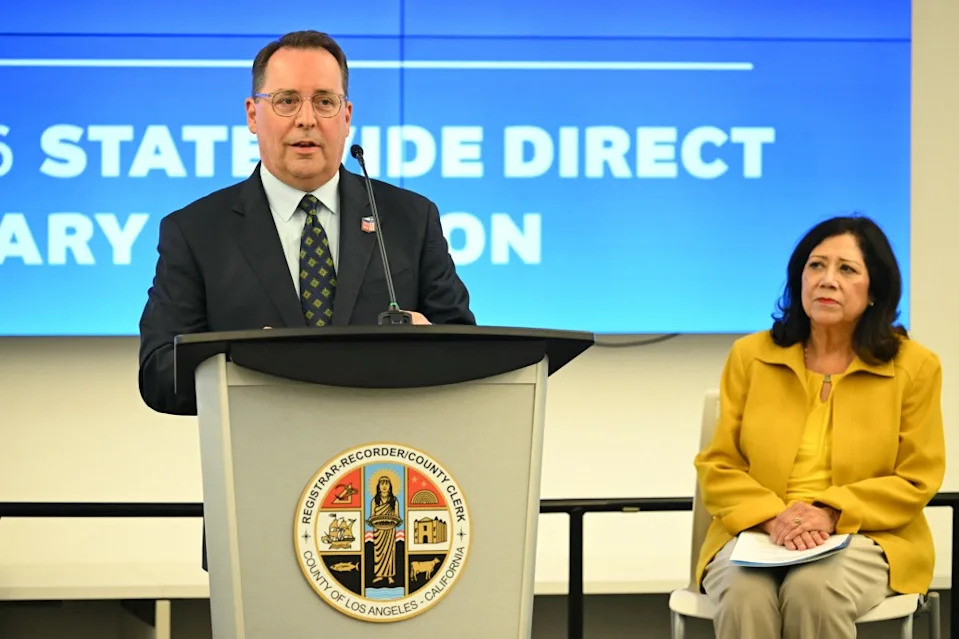
Los Angeles County Registrar-Recorder/County Clerk Dean C. Logan speaks during a press conference at the Los Angeles County Ballot Processing Center during California’s state primary election. AFP via Getty Images
His Los Angeles record includes multiple notable incidents: nearly 50,000 ballots were initially uncounted in 2008; a contentious 2010 recount involving provisional ballots helped decide the state attorney general race; a 2018 printing error affected the ability of 118,000 voters to cast the intended ballot; and the county’s $282 million voting system was later found in an independent audit to have physical vulnerabilities that could be exploited.
In 2022, supporters of a recall effort against Los Angeles County District Attorney George Gascón sued, alleging that Logan improperly invalidated roughly 200,000 collected signatures. The lawsuit survived an initial motion to dismiss but was voluntarily dismissed by the plaintiffs before trial. Logan has denied any wrongdoing.
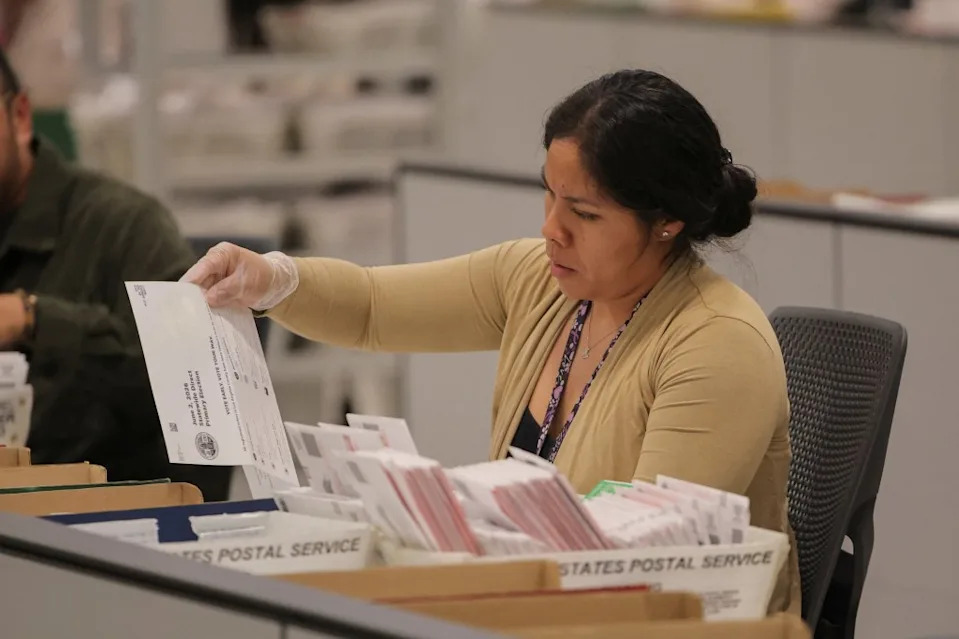
An election worker processes a ballot during the California primary election at the Los Angeles County Ballot Processing Center. REUTERS
After years of controversy, Logan has defended his office, calling some criticism a politically motivated narrative and urging that process‑focused critique not be conflated with proof of fraud.
Why This Matters
The core concern is not necessarily proof of deliberate fraud in Los Angeles, but the system’s lack of robust transparency and accountability. Critics argue current procedures — from extended acceptance windows for mail ballots to imperfect maintenance of voter rolls — leave too much room for error and erode public trust. As National Review reporter John Fund observes, the combination of lax procedures and limited oversight makes it difficult to determine where incompetence ends and possible wrongdoing might begin.
Author: John Fund, National Review.
Help us improve.