Iran has scheduled a multi-day state funeral for Ayatollah Ali Khamenei from July 4–9. Experts warn the public, multi-city procession would concentrate senior leaders into a “target-rich” environment and relies on any ceasefire holding into July. Analysts say the dates deliberately leverage Shia religious symbolism and that burying Khamenei at the Imam Reza shrine in Mashhad could create a lasting martyr site and mobilization center. The expected appearance of successor Mojtaba Khamenei — currently reported to be in hiding — would be a major security gamble.
Khamenei’s July State Funeral Seen As Major Security Gamble — And A Signal To Washington, Expert Says
Khamenei's 'target-rich' funeral is Iran’s biggest security gamble, sends message to US: expert
Iran’s decision to hold a multi-day state funeral for Supreme Leader Ayatollah Ali Khamenei from July 4–9 represents a high-stakes calculation that any emerging ceasefire with the United States will hold, while concentrating Tehran’s most exposed senior figures into what a counterterrorism expert calls a “target-rich” event.
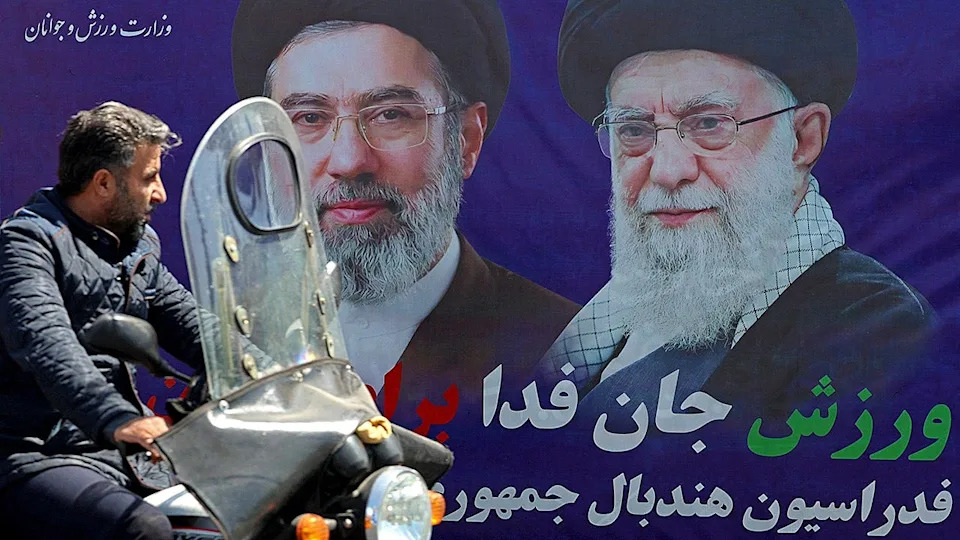
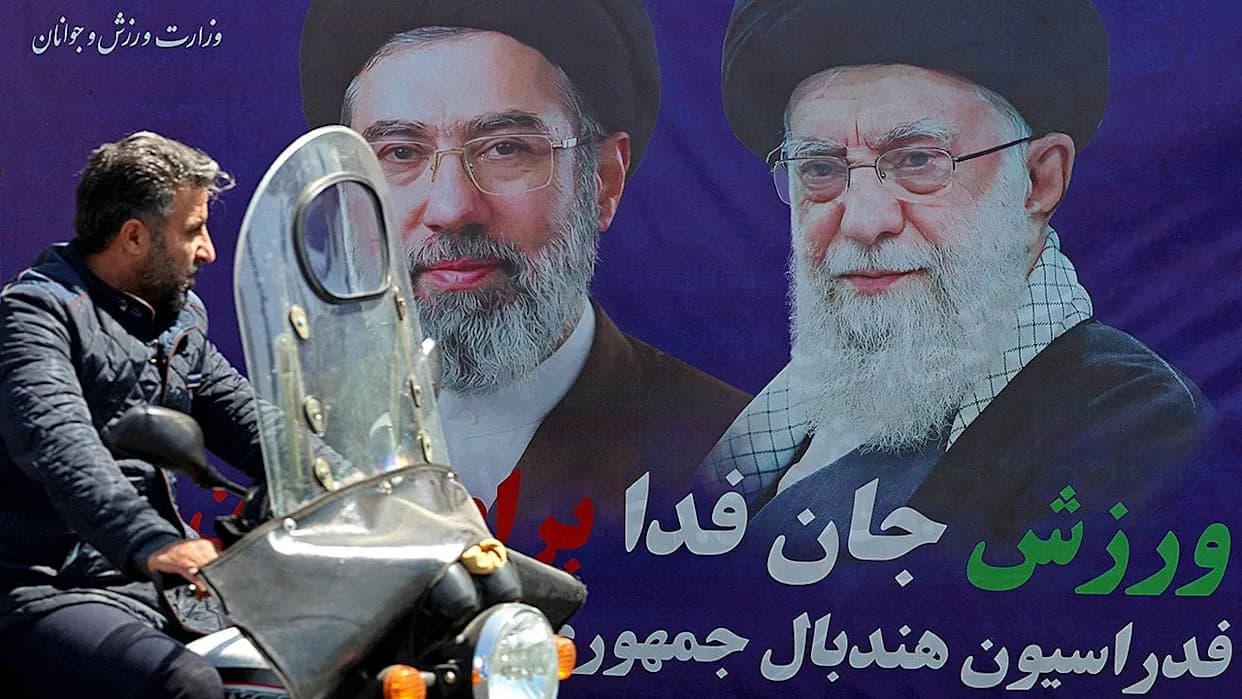
A motorist rides past a banner featuring images of Iran's slain Supreme Leader Ayatollah Ali Khamenei and his son Mojtaba Khamenei along a street in Tehran on April 15, 2026.(Getty Images)
Timeline and Official Plan
State media announced the ceremony on June 13. According to Reuters, the rites are scheduled to open in Tehran on July 4, move to the clerical center of Qom on July 7, and conclude with burial in the Imam Reza shrine in Mashhad on July 9.
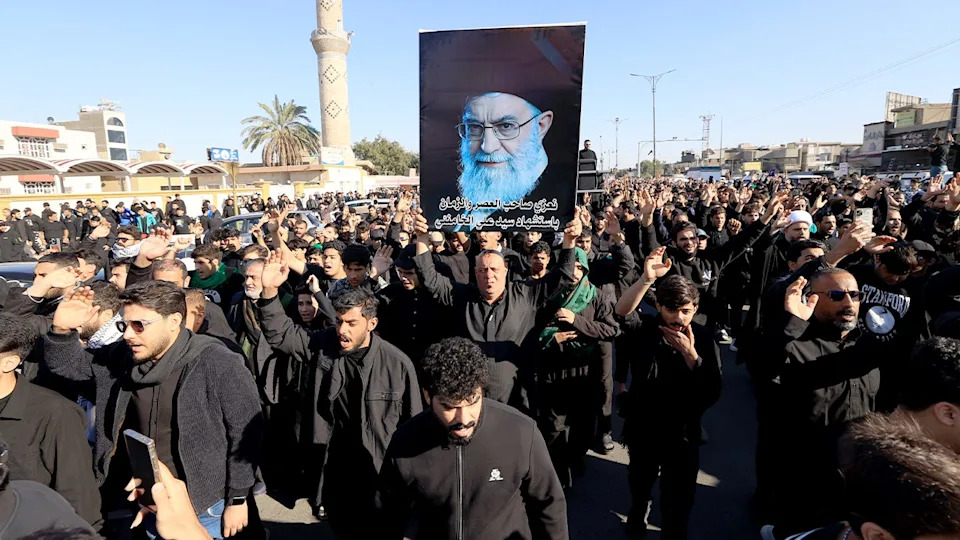
Supporters gather in Baghdad's Sadr district holding Iranian flags and posters of Ayatollah Ali Khamenei following the announcement that he was killed in U.S.-Israeli attacks on March 1, 2026.
Security Risks and Political Messaging
Dr. Omar Mohammed, director of the Antisemitism Research Initiative at the Program on Extremism at George Washington University, told Fox News Digital the timing is intended as a deliberate signal to Washington as well as to domestic audiences.
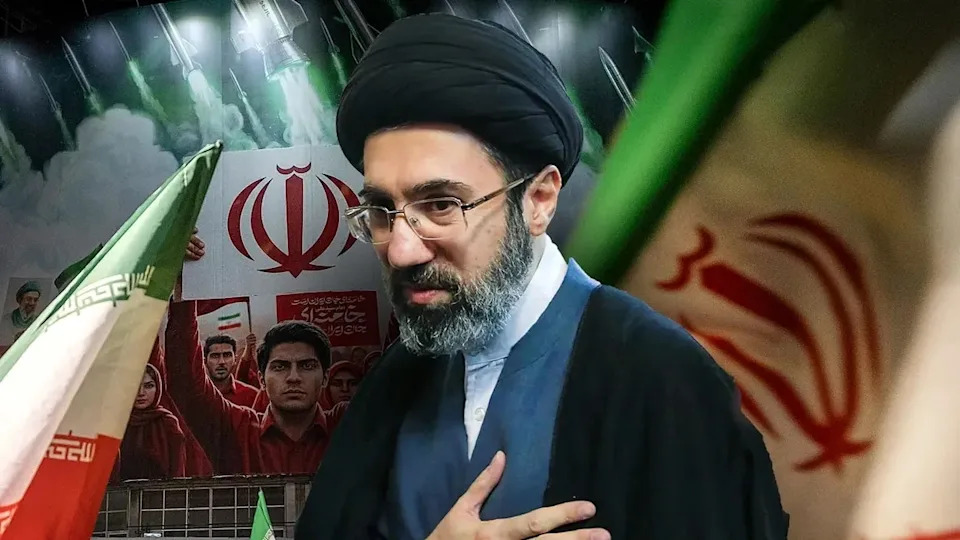
Iran’s Supreme Leader Mojtaba Khamenei is shown in a portrait image.
“A mass funeral is the most target-rich event this regime could stage, and now they would not risk one until they are confident it wouldn't be hit,” Mohammed said. “But it is the staging of this funeral that is the message, and the message is aimed at America as much as at Iranians.”
Mohammed noted the announcement coincided with reports of a diplomatic breakthrough — including statements that a peace deal with Tehran was near — suggesting Tehran is betting the truce will hold into July so it can safely stage the ceremonies.
Religious Symbolism and Long-Term Strategy
Observers point out the dates fall within Muharram, the holiest mourning month for Shia Muslims, and that burying Khamenei in the Imam Reza shrine would create a permanent memorial and potential mobilization site. Mohammed described the plan as a way to recast the narrative of the conflict: to present the leader as a martyred victor whose resistance compelled concessions.
Succession, Visibility, and the Biggest Risk
The public, multi-city procession poses a significant security vulnerability for Iran’s new leadership. Mojtaba Khamenei — reported successor and the late leader’s son — has reportedly remained hidden amid targeted threats since the conflict began. Tradition holds that the son leads prayers and stands at the grave to consecrate succession; appearing at the funeral would be his clearest public sighting and, according to experts, a major gamble.
“The regime is boxed: it needs the son at the father's grave to crown the dynasty, but putting him there exposes him as never before,” Mohammed said. “If he appears, it's his first sighting and a gamble; if he doesn't, the dynasty is consecrated by an absence.”
What To Watch
- Whether international security guarantees or ceasefire arrangements hold through early July.
- Whether Mojtaba Khamenei makes a public appearance and how the regime presents succession rituals.
- How religious symbolism and the choice of the Imam Reza shrine shape domestic mobilization and regional perception.
While Iran frames the funeral as a sacred national rite, analysts say the timing, route and high-profile locations all carry strategic significance — both as a display of resilience and as a risky consolidation of leadership in a single, pre-announced window.
Help us improve.