Moderna is developing an mRNA vaccine for the rare Bundibugyo ebolavirus with up to $50 million in CEPI support and aims for Phase 1 testing "in the coming months," pending approvals. CEPI has committed up to $60 million to support three candidates that use mRNA, rVSV and ChAdOx platforms. Experts say the outbreak highlights gaps in countermeasures for rarer ebolaviruses and the value of adaptable platforms like mRNA, though regulatory, technical and field challenges remain.
Moderna Races to Build an mRNA Vaccine for the Rare Bundibugyo Ebola Strain

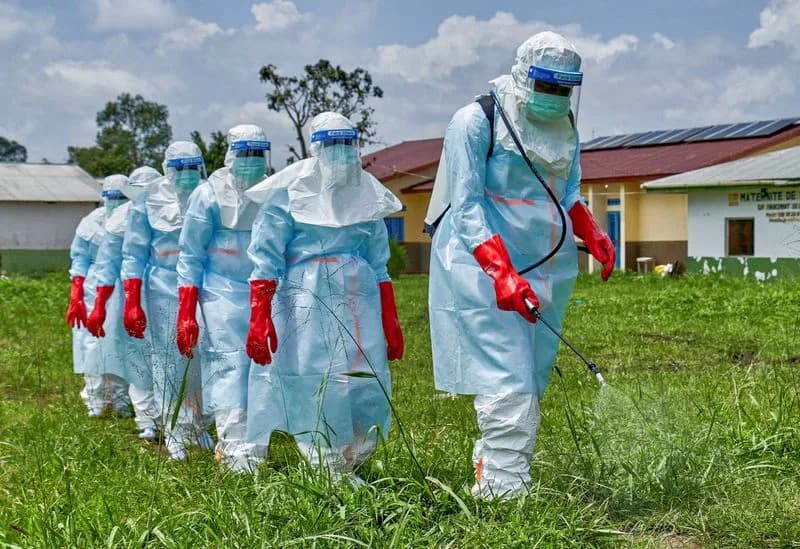
Moderna is developing an mRNA vaccine for the Bundibugyo virus driving the Ebola outbreak in the Democratic Republic of the Congo. The company could begin testing it within months.(Adam Glanzman/Bloomberg via Getty Images)
Moderna, best known for its COVID-19 mRNA vaccine, is rapidly developing an investigational mRNA vaccine targeting the Bundibugyo ebolavirus that is driving recent outbreaks in the Democratic Republic of the Congo and Uganda. The company says it has secured up to $50 million in support from the Coalition for Epidemic Preparedness Innovations (CEPI) and aims to begin a Phase 1 safety trial "in the coming months," pending regulatory approvals.
Three Candidates, Different Platforms
CEPI has committed up to $60 million to advance three Bundibugyo vaccine candidates, each using a distinct, proven platform:
- Moderna (mRNA): Uses mRNA instructions to prompt human cells to produce the Bundibugyo viral glycoprotein and elicit an immune response. CEPI’s funding will support preclinical work, a Phase 1 trial and parallel manufacturing to speed later-stage testing if results are promising.
- IAVI (rVSV): Employs a recombinant vesicular stomatitis virus vector to deliver genetic material encoding a Bundibugyo protein; CEPI provided an initial $3.2 million to prepare a master virus seed stock for manufacturing.
- University of Oxford / Serum Institute of India (ChAdOx): Uses the ChAdOx adenoviral platform; CEPI committed up to $8.6 million for preclinical testing, development and production of clinical-grade doses.
Why Bundibugyo Matters
Bundibugyo ebolavirus was first identified in Uganda in 2007 and has caused far fewer documented outbreaks than Ebola virus (formerly Zaire ebolavirus), which triggered the catastrophic 2013–2016 West African epidemic. Because most prior countermeasure work focused on the more frequent Ebola species, licensed vaccines such as Ervebo are approved for Ebola virus but not for Bundibugyo.
mRNA’s Advantages—and Limits
Moderna says its Bundibugyo candidate builds on more than a decade of mRNA platform research. The key advantage of mRNA is adaptability: the same basic manufacturing system and delivery platform can be reused while updating the encoded genetic sequence to match a new virus. That flexibility can shorten design and early production timelines because manufacturers do not need to grow large amounts of live virus.
“The programme has been designed to move with urgency,” Moderna said in a statement shared with Scientific American.
Remaining Hurdles
Even with faster platforms, vaccine development requires essential steps that cannot be skipped: preclinical safety studies, human safety and immune-response testing, regulatory review, ethical approvals, evaluation of trial sites and data needed for emergency-use or licensure decisions. Field trials in eastern DRC face additional challenges including geopolitical conflict, weak health systems, misinformation and population movement, all of which can complicate recruitment and data collection.
Next Steps
CEPI says it moved quickly—mobilizing resources about two weeks after the outbreak was announced—to increase the chances of developing an effective vaccine by funding multiple approaches. If early trials show promising safety and immune responses, CEPI expects to work with partners to support late-stage trials that could provide the data regulators need for emergency authorization or licensure. Even if a candidate does not influence the current outbreak, advancing these vaccines would strengthen preparedness for future Bundibugyo events.
Help us improve.